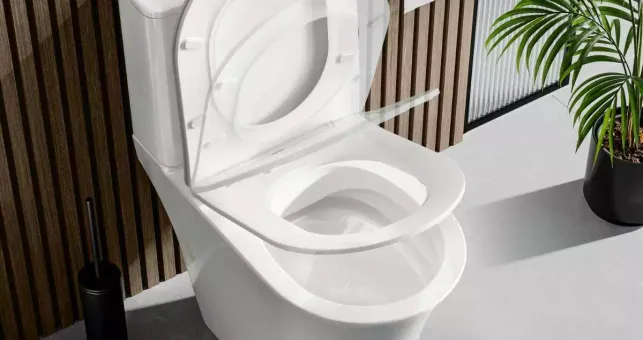
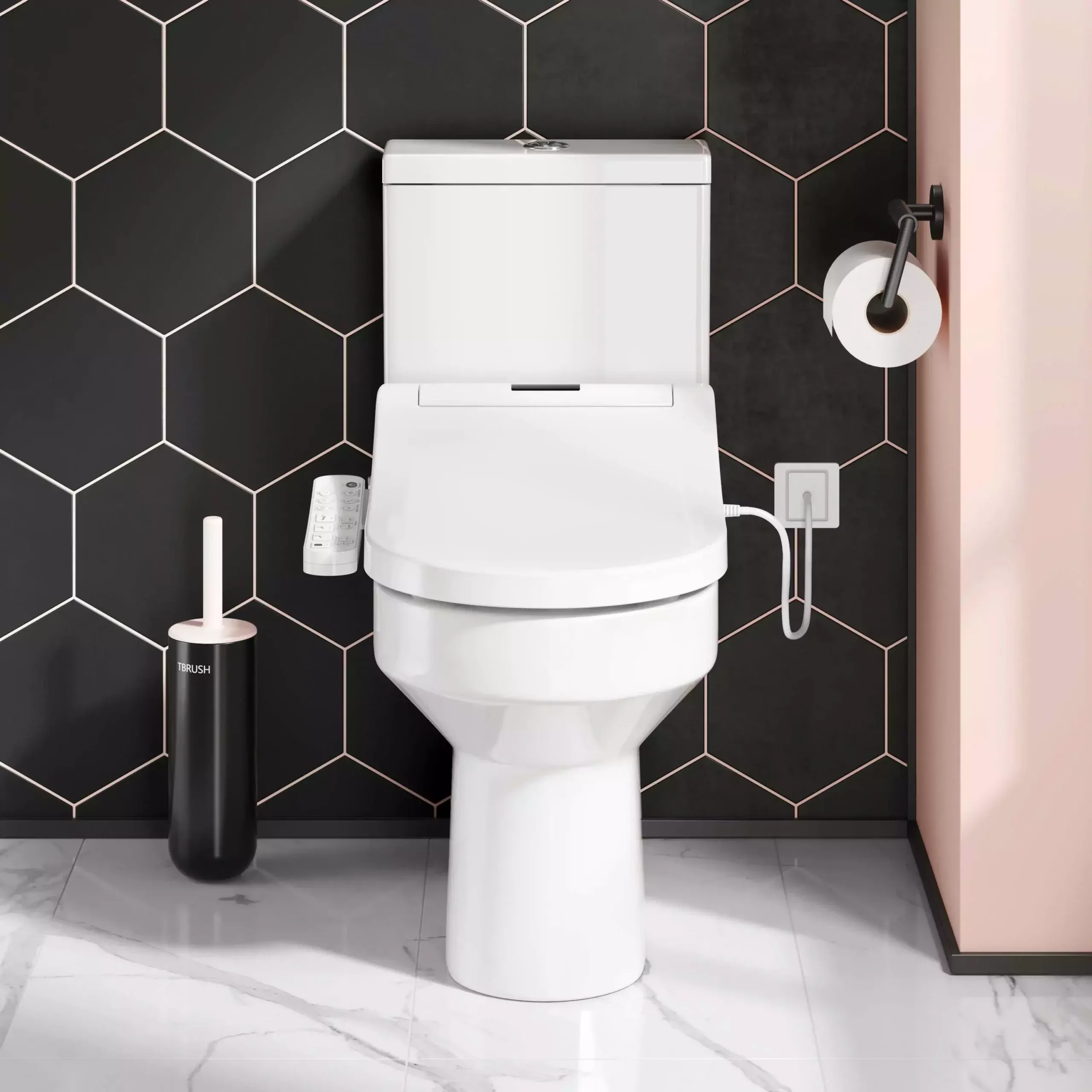
A smart toilet is an electronically controlled toilet system that combines automated flushing, bidet cleaning, heated seating, air drying, and sensor-based operation to improve hygiene, comfort, and water efficiency within 3–6 litre flush systems.
Smart toilets integrate plumbing with digital technology to automate core functions and enhance user experience. Systems operate using sensors, electronic control units, heating elements, and controlled water delivery between 0.5–1.5 litres per minute for cleaning. Key features include automated flushing, adjustable bidet spray, temperature-controlled water and seating between 30–40°C, deodorising filters, and air drying systems. Wireless connectivity enables remote control, user presets, and system monitoring through mobile applications or voice commands. Health monitoring features track usage patterns, hydration indicators, and biological data through integrated sensors.
Water conservation functions such as dual flush, leak detection, and eco modes reduce consumption. Smart toilets differ from traditional systems by requiring electrical supply, offering contactless operation, and providing enhanced hygiene and comfort features. Installation requires water connection, drainage alignment, pressure control between 1–5 bar, and a dedicated 220–240V electrical supply with safety protection. Regular maintenance including descaling, filter replacement, and nozzle cleaning ensures consistent performance and long-term durability.
What Is A Smart Toilet?
A smart toilet is an advanced toilet system that integrates automated flushing, bidet cleaning, heated seating, sensor controls, and digital interfaces to improve hygiene, comfort, and water efficiency within 3–6 litre flush systems. Smart toilets combine mechanical flushing with electronic control systems to automate user interaction. Sensor-based activation manages lid opening, flushing, and cleaning functions without manual contact. Integrated bidet systems deliver adjustable water pressure between 0.5–1.5 litres per minute for effective cleaning.

Automated Flushing
Automated flushing activates through motion sensors that detect user presence and departure. Flush systems operate within 3–6 litre cycles depending on waste type. Sensor-based flushing reduces manual contact and improves hygiene. Consistent flushing ensures effective waste removal. Automated systems optimise water usage across repeated cycles.
Bidet Cleaning System
Bidet systems use retractable nozzles to deliver controlled water spray for personal cleaning. Water pressure ranges between 0.5–1.5 litres per minute for adjustable comfort. Nozzle positioning aligns with user preference settings. Integrated cleaning improves hygiene compared to paper-based methods. Self-cleaning nozzles maintain sanitation after each use.
Heated Seat Function
Heated seats maintain temperatures between 30–40°C using integrated heating elements. Temperature settings adjust through control panels or remote systems. Consistent warmth improves user comfort during colder conditions. Even heat distribution prevents cold surface contact. Energy-efficient systems regulate power usage during operation.
Sensor-Based Controls
Sensors detect movement and activate functions such as lid opening, flushing, and lighting. Proximity sensors operate within short detection ranges for accurate response. Contactless operation reduces contamination risk. Automated control improves usability for all users. Sensor systems enhance overall convenience and accessibility.
Air Drying System
Air dryers use warm airflow to dry after washing, reducing reliance on toilet paper. Air temperature ranges between 35–45°C for effective drying. Adjustable airflow settings improve user comfort. Drying systems improve hygiene and reduce waste. Integrated drying supports complete cleaning cycles.
Deodorising Function
Deodorising systems use carbon filters or air purification to remove odours during and after use. Air circulation systems activate automatically with sensor input. Odour control improves bathroom environment quality. Continuous filtration maintains air freshness. Deodorising systems operate silently within integrated units.
Digital Control Interface
Digital interfaces allow control of temperature, pressure, and cleaning settings through panels or remote devices. Touch panels and remote controls provide user-specific adjustments. Memory settings store preferred configurations. Interface systems improve precision and usability. Digital control enhances customisation and operational efficiency.
How Does A Smart Toilet Work?
A smart toilet works through integrated sensors, electronic control units, water supply systems, and heating elements that automate flushing, bidet cleaning, drying, and deodorising within 3–6 litre flush cycles and 0.5–1.5 litres per minute cleaning flow rates. Smart toilets operate by combining plumbing with digital systems to control water flow, temperature, and user interaction. Sensors detect user presence and trigger functions such as lid opening and flushing. Electronic control units manage bidet spray, seat heating, and drying systems.
Sensor Activation
Sensor systems detect user approach and departure within short-range detection zones. Motion triggers lid opening and prepares cleaning functions. Departure activates automatic flushing and deodorising. Sensor response improves hygiene by reducing contact. Detection accuracy ensures consistent operation.
Electronic Control Unit
Electronic control units process input from sensors and user controls. Systems regulate water pressure, temperature, and function timing. Control units coordinate multiple features simultaneously. Stable processing ensures smooth operation. Integrated circuits manage all automated sequences.
Water Supply System
Water supply connects to bidet nozzles and flushing mechanisms. Flow rates adjust between 0.5–1.5 litres per minute for cleaning. Supply lines support consistent pressure during operation. Controlled delivery ensures effective washing performance. System integration maintains steady output.
Heating Mechanism
Heating elements regulate seat and water temperature between 30–40°C. Temperature sensors maintain consistent heat levels. Heating systems activate during use and standby. Controlled heating improves comfort and energy efficiency. Thermal regulation ensures safe operation.
Nozzle Operation
Retractable nozzles extend during cleaning cycles and retract after use. Position and pressure adjust through digital controls. Nozzle cleaning cycles operate automatically after each use. Controlled movement ensures targeted cleaning. Self-cleaning improves hygiene standards.
Air Drying Process
Air drying systems activate after cleaning using warm airflow between 35–45°C. Airflow direction targets cleaned areas. Drying duration adjusts through control settings. Warm air reduces moisture and eliminates paper use. Integrated drying completes the hygiene cycle.
What Are The Main Features Of Smart Toilets?
Smart toilets include 7 main features such as automated flushing, bidet cleaning, heated seating, air drying, deodorising systems, sensor controls, and digital interfaces, operating within 3–6 litre flush cycles and 0.5–1.5 litres per minute cleaning flow. Smart toilet features combine electronic automation with water control systems to improve hygiene, comfort, and efficiency.

Automated Flushing
Automated flushing activates through sensors after user departure. Flush systems operate within 3–6 litre cycles for waste removal. Sensor activation reduces manual contact. Controlled flushing improves hygiene and water efficiency. Consistent operation ensures reliable performance.
Bidet Cleaning
Bidet systems use retractable nozzles to deliver water spray at 0.5–1.5 litres per minute. Adjustable pressure and position improve cleaning accuracy. Integrated washing reduces reliance on paper. Self-cleaning nozzles maintain hygiene. Controlled flow ensures user comfort.
Heated Seating
Heated seats maintain temperatures between 30–40°C using built-in heating elements. Adjustable settings provide user comfort. Even heat distribution prevents cold contact. Energy-efficient systems regulate power usage. Heating improves usability in cold conditions.
Air Drying
Air dryers use warm airflow between 35–45°C to dry after cleaning. Adjustable airflow controls drying intensity. Drying reduces moisture and paper use. Integrated systems complete cleaning cycles. Controlled airflow improves hygiene.
Deodorising System
Deodorising systems use filtration units to remove odours during use. Carbon filters improve air quality. Automatic activation maintains freshness. Continuous filtration reduces odour buildup. Silent operation ensures comfort.
Sensor Controls
Sensor systems detect user presence and activate functions automatically. Motion sensors trigger lid operation and flushing. Contactless operation reduces contamination. Sensors improve accessibility and convenience. Detection systems ensure consistent performance.
Digital Interface
Digital interfaces allow control of temperature, pressure, and timing settings. Touch panels and remote controls enable precise adjustments. Memory functions store user preferences. Interface systems improve usability. Digital control enhances customisation.
How Do Smart Toilets Differ From Traditional Toilets?
Smart toilets differ from traditional toilets by integrating electronic controls, automated functions, bidet systems, and energy features, while traditional toilets rely on manual flushing and mechanical operation within 6–9 litre flush systems.
The differences between smart toilets and traditional toilets are given below:
- Use Automated Flushing: Smart toilets operate with sensor-based flushing within 3–6 litre cycles. Traditional toilets use manual lever flushing with higher water usage.
- Provide Bidet Cleaning: Smart toilets include integrated bidet systems with adjustable water flow. Traditional toilets rely on toilet paper for cleaning.
- Enable Contactless Operation: Smart toilets use sensors and digital controls for hands-free use. Traditional toilets require manual interaction for flushing and lid operation.
- Improve Water Efficiency: Smart toilets optimise water use through controlled flush cycles. Traditional toilets consume more water per flush.
- Include Comfort Features: Smart toilets offer heated seats, air drying, and temperature control. Traditional toilets provide basic functionality without comfort enhancements.
- Require Electrical Connection: Smart toilets need power supply for electronic features. Traditional toilets operate without electricity.
- Increase Maintenance Complexity: Smart toilets require filter replacement, descaling, and electrical checks. Traditional toilets require basic cleaning and mechanical repairs.
What Technology Powers Smart Toilet Systems?
Smart toilet systems are powered by 7 core technologies including sensor systems, electronic control units, water pressure systems, heating elements, filtration systems, wireless connectivity, and automated cleaning mechanisms to deliver hygiene and comfort within 3–6 litre flush systems.
The technologies powering smart toilet systems are given below:
- Use Sensor Systems: Motion and proximity sensors detect user presence and activate functions such as lid opening and flushing. Sensor accuracy ensures contactless operation and improves hygiene.
- Use Electronic Control Units: Control units process inputs and manage functions such as water pressure, temperature, and timing. Integrated circuits coordinate system operations efficiently.
- Use Water Pressure Systems: Controlled water delivery systems regulate bidet spray between 0.5–1.5 litres per minute. Stable pressure ensures effective cleaning performance.
- Use Heating Elements: Heating components regulate seat and water temperature between 30–40°C. Temperature control improves comfort and usability.
- Use Filtration Systems: Water filters remove impurities before reaching nozzles. Filtration improves hygiene and prevents internal blockages.
- Use Wireless Connectivity: Wi-Fi and Bluetooth enable remote control and integration with mobile devices. Connectivity supports customisation and monitoring.
- Use Automated Cleaning Mechanisms: Self-cleaning nozzles and flushing systems maintain sanitation after each use. Automated cleaning reduces maintenance requirements.
How Do Bidet Functions Work In Smart Toilets?
Bidet functions in smart toilets work by using retractable nozzles that deliver controlled water spray at 0.5–1.5 litres per minute with adjustable temperature, pressure, and positioning to clean after use. Bidet systems integrate with the toilet’s water supply and electronic controls to provide automated cleaning cycles. Sensors or user input activate the nozzle, which extends, sprays water, and retracts after use.
Nozzle Extension
Bidet nozzles extend from a concealed position when activated. Extension aligns the nozzle with the target area. Controlled movement ensures accurate positioning. Retraction occurs automatically after use. Enclosed design protects the nozzle from contamination.
Water Spray Control
Water spray operates at 0.5–1.5 litres per minute for effective cleaning. Adjustable pressure settings modify intensity. Controlled spray ensures comfort and precision. Stable flow improves cleaning efficiency. Pressure regulation prevents excessive force.
Temperature Regulation
Heating elements adjust water temperature between 30–38°C. Temperature sensors maintain consistent heat levels. Warm water improves comfort and cleaning effectiveness. Controlled heating prevents temperature fluctuation. Thermal regulation ensures safe operation.
Position Adjustment
Nozzle position adjusts forward and backward to suit user preference. Adjustable alignment improves coverage accuracy. Position control ensures targeted cleaning. Custom settings improve usability. Movement operates through digital controls.
Pulsating And Oscillating Modes
Spray modes include pulsating and oscillating functions to enhance cleaning. Pulsating spray alternates pressure levels. Oscillating movement shifts spray position. Combined modes improve cleaning coverage. Mode variation increases effectiveness.
Self-Cleaning Cycle
Nozzles clean automatically before and after each use using water rinsing. Cleaning cycles remove residue and bacteria. Automatic sanitation maintains hygiene. Continuous cleaning reduces maintenance. Self-cleaning ensures safe operation.
What Water Temperature Controls Do Smart Toilets Offer?
Smart toilets offer 6 water temperature controls including adjustable heating ranges, instant heating systems, storage tank heating, temperature sensors, user-specific presets, and safety limiters to maintain water between 30–38°C during bidet use.

The water temperature controls in smart toilets are given below:
- Adjust Temperature Levels: Smart toilets allow users to set water temperature between 30–38°C. Adjustable settings ensure personalised comfort during cleaning.
- Use Instant Heating Systems: Tankless heaters warm water instantly during use. Continuous heating provides consistent temperature without storage delay.
- Use Storage Tank Heating: Some models store heated water in small internal tanks. Pre-heated water ensures immediate availability at set temperature.
- Use Temperature Sensors: Sensors monitor and regulate water temperature in real time. Automatic adjustment prevents sudden temperature changes.
- Enable User Presets: Control systems store preferred temperature settings for repeated use. Presets ensure consistent user experience.
- Apply Safety Limiters: Temperature limiters prevent water from exceeding safe levels above 38°C. Safety controls reduce risk of discomfort or injury.
How Do Heated Seats Enhance Smart Toilet Comfort?
Heated seats enhance smart toilet comfort by maintaining surface temperatures between 30–40°C, eliminating cold contact, improving user experience, and providing consistent warmth through integrated heating elements and temperature control systems. Heated seat systems use electrical heating components regulated by sensors and control units. Temperature settings adjust through digital interfaces, allowing user-specific comfort levels.
Maintain Warm Surface
Heated seats keep the surface temperature within 30–40°C during use. Warm surfaces eliminate discomfort from cold materials. Consistent heat improves user experience. Stable temperature enhances usability.
Provide Adjustable Settings
Temperature levels adjust through control panels or remote systems. Multiple settings allow personal preference selection. Adjustable control improves comfort accuracy. Customisation enhances user satisfaction.
Ensure Even Heat Distribution
Heating elements distribute heat evenly across the seat surface. Uniform warmth prevents hot or cold spots. Balanced distribution improves comfort. Consistent heating enhances reliability.
Improve Cold Environment Use
Heated seats provide comfort in low ambient temperatures. Warm surfaces reduce thermal shock during contact. Improved usability supports year-round operation. Temperature control enhances performance.
Support Energy Efficiency
Heating systems operate with regulated power consumption. Sensors adjust heat output based on usage. Efficient operation reduces energy waste. Controlled heating maintains performance.
Integrate With Smart Controls
Heated seats connect with digital interfaces for precise control. Integration allows synchronisation with other functions. Automated activation improves convenience. Smart control enhances functionality.
What Water Conservation Features Do Smart Toilets Provide?
Smart toilets provide 7 water conservation features including dual-flush systems, sensor-based flushing, low-volume flush cycles of 3–6 litres, pressure-assisted flushing, leak detection, flow optimisation, and eco modes to reduce water usage. Water conservation in smart toilets relies on controlled flushing, efficient waste removal, and intelligent system monitoring. Integrated sensors and control units adjust water use based on waste type and usage patterns.
Dual Flush System
Dual-flush systems offer two flush options typically 3 litres for liquid waste and 4.5–6 litres for solid waste. Selection reduces unnecessary water usage. Controlled flushing improves efficiency.
Sensor-Based Flushing
Sensors detect user departure and activate flushing automatically. Timed flushing prevents repeated or unnecessary use. Automated control reduces water waste.
Low-Volume Flush Cycles
Smart toilets operate within 3–6 litre flush ranges. Reduced volume maintains effective waste removal. Lower water usage improves conservation.
Pressure-Assisted Flushing
Pressure-assisted systems use compressed air or water pressure to enhance flushing power. Increased force allows lower water volume. Efficient flushing improves performance.
Leak Detection System
Leak detection sensors identify continuous water flow or internal leaks. Early detection prevents water loss. Monitoring improves system efficiency.
Flow Optimisation
Water delivery systems regulate flow rate during flushing and cleaning cycles. Controlled flow ensures effective use of water. Optimisation reduces excess consumption.
Eco Mode Operation
Eco modes adjust flushing frequency and water usage based on usage patterns. Reduced consumption settings improve efficiency. Eco operation supports sustainable use.
How Much Electricity Do Smart Toilets Consume?
Smart toilets consume 0.03–0.08 kWh per use and 300–600 kWh per year depending on features such as heated seats, water heating, drying systems, and standby operation, with power demand ranging between 800–1500 watts during active use. Electricity consumption depends on feature usage frequency, temperature settings, and standby modes. Heating elements for seats and water account for the highest energy use, while sensors and control systems operate at low power.

Active Power Usage
Smart toilets draw 800–1500 watts during active functions such as water heating, drying, and flushing control. Peak usage occurs during combined operation cycles. High power ensures performance efficiency.
Standby Consumption
Standby mode consumes 1–5 watts to maintain sensors and control systems. Continuous low-level power supports readiness. Efficient standby reduces overall energy use.
Heated Seat Energy
Seat heating consumes 30–80 watts depending on temperature settings between 30–40°C. Continuous heating increases daily energy use. Adjustable settings optimise consumption.
Water Heating Demand
Water heating systems consume 300–1200 watts depending on instant or tank-based heating. Higher temperatures increase power usage. Efficient heating systems reduce energy demand.
Air Dryer Consumption
Air drying functions use 200–500 watts during operation. Usage duration affects total consumption. Controlled drying improves efficiency.
Annual Energy Use
Annual consumption ranges between 300–600 kWh depending on usage frequency and feature activation. Lower usage reduces total energy demand. Efficient models minimise yearly consumption.
What Installation Requirements Apply To Smart Toilets?
Smart toilet installation requires 7 conditions including electrical supply, water connection, pressure regulation, drainage alignment, space clearance, secure mounting, and ventilation to ensure stable operation within 3–6 litre flush systems.
The installation requirements for smart toilets are given below:
- Provide Electrical Supply: Smart toilets require a dedicated power source typically 220–240V for heating, sensors, and controls. Safe wiring ensures reliable operation.
- Connect Water Supply: Water inlet connection must support bidet flow rates between 0.5–1.5 litres per minute. Stable supply ensures consistent cleaning performance.
- Maintain Water Pressure: Water pressure should remain within 1–5 bar for proper flushing and spray function. Balanced pressure prevents system faults.
- Ensure Drainage Alignment: Waste outlet must align with standard soil pipe connections for efficient flushing. Correct alignment ensures proper drainage flow.
- Allow Space Clearance: Adequate space around the unit supports lid operation and maintenance access. Proper clearance improves usability.
- Secure Mounting Structure: Floor-mounted or wall-hung systems require stable fixing to support weight and prevent movement. Secure installation ensures durability.
- Provide Ventilation Access: Bathroom ventilation supports moisture control and electrical safety. Proper airflow improves long-term system performance.
Do Smart Toilets Require Dedicated Electrical Supply?
Smart toilets require a dedicated electrical supply of 220–240V with grounding and safety protection to power heating, sensors, bidet systems, and control units for stable and safe operation.
The electrical requirements for smart toilets are given below:
- Provide Correct Voltage: Smart toilets operate on 220–240V supply to power internal systems such as heating and controls. Stable voltage ensures consistent performance.
- Use Dedicated Circuit: A separate electrical circuit prevents overload from other appliances. Dedicated supply improves reliability and system stability.
- Install Grounded Outlet: Grounded outlets provide safe discharge of electrical current. Proper grounding reduces risk of electrical faults.
- Include RCD Protection: Residual current devices disconnect power during faults. RCD protection improves safety in wet bathroom environments.
- Ensure Proper Wiring: Electrical wiring must meet installation standards and remain protected from moisture exposure. Safe wiring supports long-term operation.
- Maintain Power Stability: Continuous power supply supports sensors, heating, and drying functions without interruption. Stable energy flow prevents malfunction.
- Follow Installation Compliance: Electrical setup must comply with bathroom safety regulations. Correct installation ensures safe and reliable system performance.
What Types Of Smart Toilets Are Available In The UK?
Smart toilets available in the UK include 5 main types: integrated smart toilets, smart toilet seats, wall-hung smart toilets, back-to-wall smart toilets, and bidet toilet combinations, each varying in installation type, functionality level, and space requirements. Smart toilet types differ based on whether technology is built into the unit or added as an attachment. Installation method, space configuration, and feature integration define each category.

Integrated Smart Toilets
Integrated smart toilets combine all features such as bidet, drying, heating, and flushing within a single unit. Built-in systems provide seamless design and full automation. Integrated models deliver consistent performance and advanced control. One-piece construction improves hygiene and maintenance.
Smart Toilet Seats
Smart toilet seats attach to existing toilets and add bidet, heating, and drying functions. Retrofit design allows installation without replacing the full toilet unit. Seat systems provide cost-effective smart functionality. Compatibility fits most standard toilet shapes.
Wall-Hung Smart Toilets
Wall-hung smart toilets mount directly to the wall with concealed cistern systems. Floating design improves floor space and cleaning access. Installation supports modern bathroom layouts. Wall-mounted systems maintain full smart functionality with integrated controls.
Back-To-Wall Smart Toilets
Back-to-wall smart toilets conceal pipework and cistern behind the unit or within furniture. Compact design improves visual cleanliness and space efficiency. Concealed installation supports structured bathroom layouts. Integrated features remain fully accessible through control panels.
Bidet Toilet Combinations
Bidet toilet combinations integrate traditional toilet and bidet functions in one system. Combined units provide washing, drying, and deodorising features. Hybrid design improves hygiene and reduces toilet paper use. Combined functionality supports efficient bathroom operation.
Tankless Smart Toilets
Tankless smart toilets use direct water supply instead of a storage cistern. Continuous water flow enables compact design and faster flushing cycles. Tankless systems improve space efficiency and modern aesthetics. Integrated pressure systems maintain performance.
One-Piece Smart Toilets
One-piece smart toilets combine bowl and tank into a single unit with integrated electronics. Seamless construction reduces joints and improves cleaning. Compact structure supports modern bathroom design. One-piece systems enhance durability and visual consistency.
What Maintenance Requirements Apply To Smart Toilets?
Smart toilet maintenance requires 7 actions including nozzle cleaning, filter replacement, descaling, seal inspection, electrical checks, surface cleaning, and software updates to maintain hygiene, performance, and water efficiency within 3–6 litre systems. Smart toilets combine plumbing and electronic components, requiring both mechanical and electrical maintenance.
Nozzle Cleaning
Clean bidet nozzles every 1–2 weeks to remove residue and bacteria. Automatic self-cleaning cycles operate after each use, but manual cleaning improves hygiene. Clean nozzles maintain spray performance and sanitation.
Filter Replacement
Replace water filters every 3–6 months depending on usage and water quality. Filters remove impurities that affect nozzle and system performance. Regular replacement ensures consistent water flow.
Descaling System
Descale internal components every 2–4 months in hard water areas. Mineral buildup reduces flow efficiency and damages heating elements. Descaling maintains system performance.
Seal Inspection
Inspect seals and joints every 6–12 months for wear or leakage. Damaged seals allow water escape and reduce efficiency. Seal maintenance ensures watertight operation.
Electrical System Check
Check electrical connections and control panels periodically for stable operation. Fault detection prevents system failure. Electrical maintenance ensures safety and reliability.
Surface Cleaning
Clean external surfaces 2–3 times per week using non-abrasive cleaners. Regular cleaning maintains hygiene and finish quality. Smooth surfaces simplify maintenance.
What Maintenance Requirements Apply To Smart Toilets?
Smart toilet maintenance requires 7 actions including nozzle cleaning, filter replacement, descaling, seal inspection, electrical checks, surface cleaning, and software updates to maintain hygiene, performance, and water efficiency within 3–6 litre systems.

The maintenance requirements for smart toilets are given below:
- Clean Nozzles Regularly: Clean bidet nozzles every 1–2 weeks to remove residue and bacteria. Self-cleaning cycles support hygiene, but manual cleaning ensures consistent spray performance.
- Replace Water Filters: Replace filters every 3–6 months depending on water quality. Filter maintenance ensures clean water supply and prevents internal blockage.
- Descale Internal System: Descale components every 2–4 months in hard water areas. Descaling removes mineral buildup and maintains flow efficiency.
- Inspect Seals And Joints: Check seals every 6–12 months for wear or leakage. Seal maintenance prevents water loss and ensures watertight operation.
- Check Electrical Components: Inspect wiring, sensors, and control panels periodically. Electrical checks ensure safe and reliable operation.
- Clean External Surfaces: Clean surfaces 2–3 times per week using non-abrasive cleaners. Regular cleaning maintains hygiene and finish quality.
- Update Software Systems: Install firmware updates when available to maintain functionality and performance. Software updates improve system efficiency and compatibility.
Summing Up
Smart toilets deliver automated hygiene, controlled water use within 3–6 litre flush cycles, and enhanced comfort through integrated sensors, bidet systems, heating elements, and digital controls operating at 0.5–1.5 litres per minute cleaning flow.
Smart toilet systems combine plumbing and electronics to improve daily bathroom use through features such as automatic flushing, adjustable bidet cleaning, heated seating between 30–40°C, air drying, and deodorising. Wireless connectivity enables remote control, user presets, and system monitoring, while health tracking functions provide usage and hygiene insights. Water conservation features such as dual flush, leak detection, and eco modes reduce overall consumption.
Installation requires stable water pressure between 1–5 bar, correct drainage alignment, and a dedicated 220–240V electrical supply with safety protection. Regular maintenance including descaling, filter replacement, and nozzle cleaning ensures consistent performance. Proper selection, installation, and upkeep ensure reliable operation, improved hygiene standards, and long-term efficiency across modern bathroom environments.