
Corner Basins
Sort by:
As one of the UK's leading bathroom retailers, Bathroom Mountain offers a wide selection of corner basins designed to help make the most of smaller spaces. Perfect for cloakrooms, en-suites and compact bathrooms, corner basins fit neatly into unused corners while freeing up valuable floor space for a more comfortable layout.
Choose from wall hung, pedestal and semi pedestal corner basins in a variety of sizes, projections and tap hole configurations. Whether you need a compact hand basin for a downstairs toilet or a stylish corner sink for a smaller bathroom, the range includes options to suit different room layouts and installation requirements.
Available in durable ceramic finishes and a choice of modern and traditional designs, our corner basins combine practical functionality with space-saving design. With a wide range of styles and dimensions available, finding a corner basin that fits your bathroom is simple.
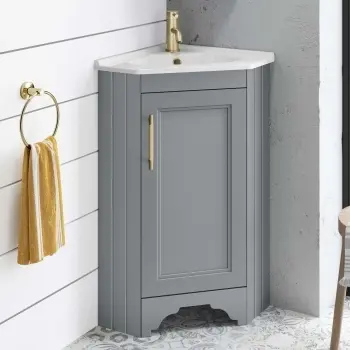
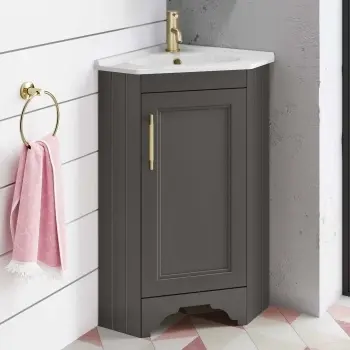
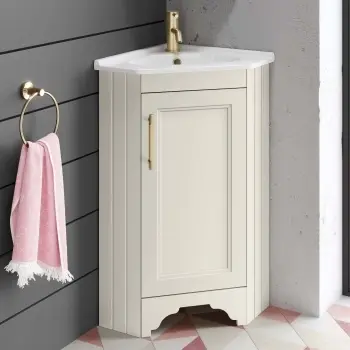
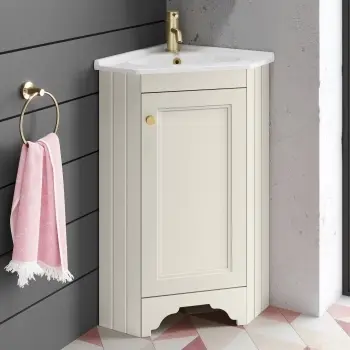
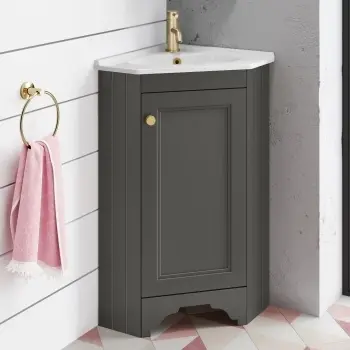
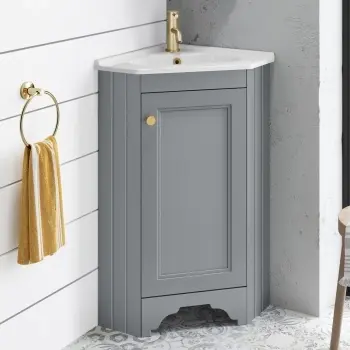
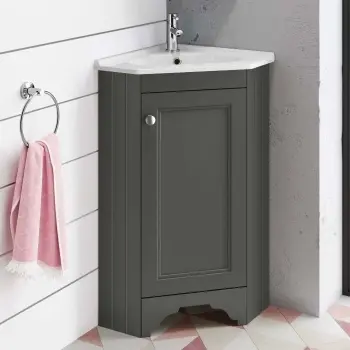
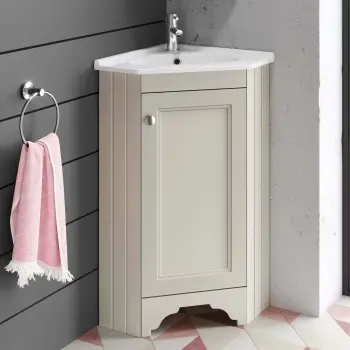
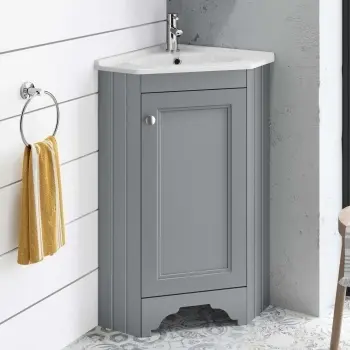
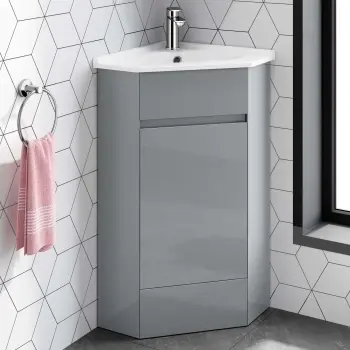
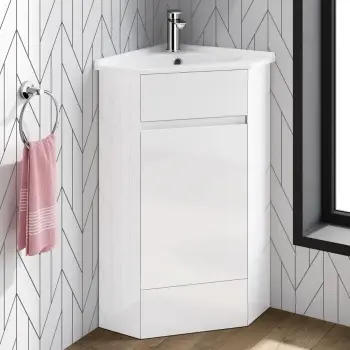
What Is a Corner Basin and Who Is It for?
A corner basin is a basin specifically shaped to sit into the angle where two walls meet, usually triangular or rounded at the back. It is designed for rooms where a standard basin simply will not fit, small cloakrooms, tight en suites, and downstairs toilets where every centimetre matters. If you are struggling to fit a standard basin and still leave enough room to stand comfortably, a corner basin is usually the answer.
How To Choose The Best Corner Basin For Your Bathroom?
To choose the best corner basin, start by measuring the two walls that meet in the corner and checking how much floor space you have in front of it — you need at least 600mm clear for comfortable use. Then decide between wall hung, pedestal, or semi pedestal depending on whether you want to hide the pipework or keep the install simple. Once the size and type are right, check the tap holes match the taps you want.
What Size Corner Basin Do I Need?
Corner basin widths in the UK typically range from 350mm to 450mm measured along each side wall. There is no single standard size, so measure both walls of your corner and check the projection — how far the basin sticks out into the room — to make sure you still have enough standing space in front of it. A projection of around 350mm to 400mm is common and usually works well in a tight cloakroom.
Should I Choose A Wall Hung, Pedestal, Or Semi Pedestal Corner Basin?
A wall hung corner basin keeps the floor completely clear, makes the room feel bigger, and makes cleaning the floor much easier. A pedestal hides the pipework neatly but takes up more floor space. A semi pedestal sits against the wall and covers the pipework halfway up without a full column reaching the floor, which is a good middle ground for small rooms where the floor space matters but exposed pipes are not ideal.
Where Are The Tap Holes On A Corner Basin?
Most corner basins have one or two tap holes positioned at the back of the basin, roughly centred between the two walls. Some models have no pre drilled holes, which means you need wall mounted taps fixed into the wall above. Always check the tap hole configuration on the product listing before buying your taps, as the two need to match perfectly.
Do Corner Basins Come With The Waste Included?
Most corner basins at Bathroom Mountain are sold as the ceramic basin only, without the waste, taps, or fixings included. Whether you need a slotted or unslotted waste depends on your basin, if it has an overflow hole near the rim, you need a slotted waste. If it has no overflow, you need an unslotted one. Always check the product listing and add the right waste to your order before checkout.
What Type Of Tap Works Best With A Corner Basin?
A mini basin mixer or a small monobloc tap works best with a corner basin. Standard sized basin mixers have a spout that is often too long for a compact corner bowl, which causes water to splash straight out of the basin. A tap with a shorter projection and lower spout height keeps the water falling directly into the bowl without making a mess on the wall or floor around it.
Can I Mount A Corner Basin On A Plasterboard Wall?
You can mount a corner basin on a plasterboard wall, but you cannot screw directly into the plasterboard alone. A ceramic basin is heavy and the fixings need to go into the timber studs behind the board, or you need a wooden noggin fitted between the studs before plastering. This is something to sort before the wall is tiled, as accessing it afterwards means breaking into the wall and starting again.
What Height Should A Corner Basin Be Installed At?
The standard installation height for a corner basin in the UK is 800mm to 850mm from the finished floor to the top rim of the basin. This suits most adults for comfortable handwashing without bending too far or reaching too high. If the basin is for a children's bathroom or an accessible bathroom for wheelchair users, the height can be adjusted to suit, though this needs to be planned before the pipework is fixed.
How Do I Clean A Corner Basin And Keep It Looking Good?
To clean a corner basin, wipe it regularly with a soft cloth and a mild non abrasive bathroom cleaner. Pay attention to the tight angle at the back where the basin meets the two walls, as soap scum and limescale build up there quickly and are harder to reach. For limescale, diluted white vinegar on a soft cloth does the job without scratching the glaze. Keeping the silicone sealant around the back edges in good condition is also important, reseal it if it starts to crack or discolour, as gaps let water get behind the basin and into the wall.