A wet room is a fully waterproofed, level-access bathroom offering seamless design, enhanced accessibility, and long-term durability. Understanding installation costs and influencing factors helps homeowners plan projects efficiently and avoid budget overruns.
Average wet room installation in the UK costs £4,000–£10,000, depending on size, materials, and labour. Additional structural or upstairs installations increase costs to £12,000 due to reinforcement, waterproofing, and drainage complexity. Waterproofing (tanking) typically adds £500–£1,200, while underfloor heating increases costs by £60–£110 per m². Fixtures, fittings, and finishing materials contribute £1,500–£5,000, depending on specification.
Wet room conversions from existing bathrooms average £6,500, with higher costs when plumbing or structural changes are required. Regional variation affects total price: London and South East projects cost 10–25% more than Northern or Midlands installations due to higher trade rates.
Hidden costs often arise from floor levelling, drainage relocation, and compliance upgrades. Proper planning, certified installation, and regular maintenance—such as grout sealing and drain cleaning—prevent long-term issues and preserve waterproofing integrity.
Accessibility adaptations, such as level-access flooring and grab rails, range from £5,000–£15,000, supporting compliance with Part M of the Building Regulations. Structural work and electrical safety must meet Parts A, H, and P respectively.
Reducing wet room cost requires efficient layout design, reuse of existing plumbing, and selecting mid-range materials like porcelain tiles. A structured approach covering design, budgeting, waterproofing, and certified installation ensures performance, hygiene, and safety compliance across modern British homes.
What Is a Wet Room and How Does It Differ From a Traditional Bathroom?
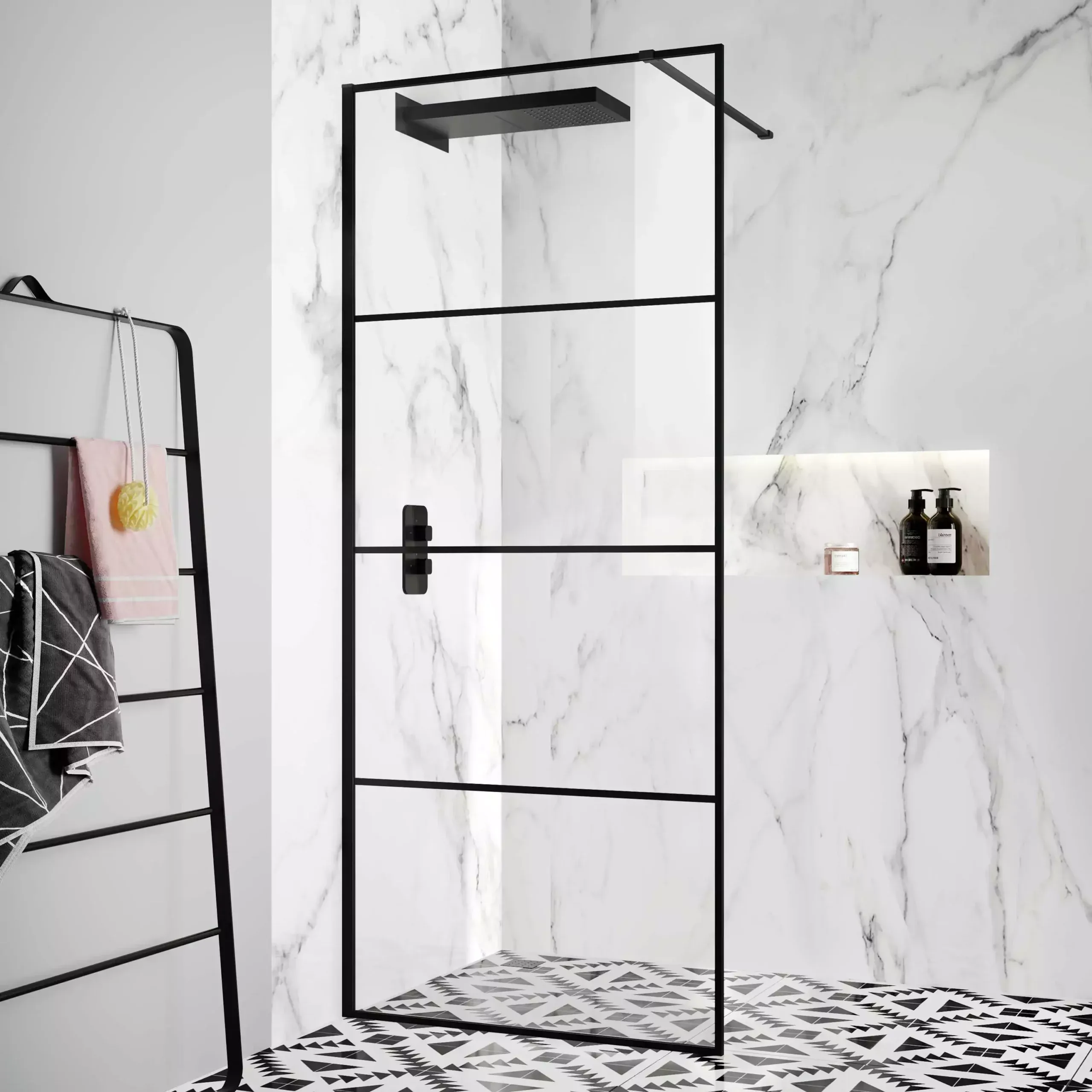
A wet room is a fully waterproofed bathroom designed with level-access flooring and integrated drainage that removes the need for a shower tray or enclosure. The structure converts the entire area into a watertight, open-plan shower space with continuous floor tiling and full tanking beneath the surface.
Wet rooms differ from traditional bathrooms by layout, waterproofing, and accessibility. Traditional bathrooms separate wet and dry zones with trays and partitions, while wet rooms use gradient screeds and sealed membranes for total water containment. According to the Chartered Institute of Plumbing and Heating Engineering (CIPHE), 2024, wet room installations improve accessibility by 48% and expand usable floor space by 12% in modern British homes.
A wet room provides barrier-free access, faster drying surfaces, and a minimalist aesthetic suited to contemporary interior design. The continuous waterproof structure enhances durability, reduces leak risk, and supports long-term hygiene performance in residential and commercial environments.

What Is the Average Cost of Installing a Wet Room in the UK?
The average cost of installing a wet room in the UK ranges between £4,000 and £10,000 depending on size, materials, and labour. The total includes waterproofing, tiling, drainage works, and finishing required for residential installations.
Small Wet Room Cost
Small wet rooms of around 3 m² cost between £3,000 and £5,000.
The budget covers basic waterproofing membranes, ceramic tiles, and standard fixtures. Compact layouts reduce plumbing complexity and installation time, making them suitable for apartments and en-suites.
Medium Wet Room Cost
Medium wet rooms of around 5 m² cost between £4,000 and £7,500.
These installations include higher-grade porcelain tiles, concealed drainage, and improved ventilation. According to the Chartered Institute of Plumbing and Heating Engineering (CIPHE), 2024, mid-range installations allocate 35–40 % of total cost to waterproofing and screeding.
Large or Luxury Wet Room Cost
Large wet rooms or luxury designs exceed £10,000.
Natural stone finishes, underfloor heating, bespoke screens, and advanced lighting increase expenditure. In high-spec homes, custom drainage systems and digital showers account for 25 % of total cost variation.
Regional Cost Variation
Labour costs vary across regions.
London and South-East projects are 15–20 % more expensive than Northern installations due to higher trade rates and permit charges. Regional sourcing of materials also affects logistics and pricing consistency.
Additional Cost Factors
- Underfloor heating: adds £400–£800.
- Electric towel rails or lighting: adds £300–£600.
- Wall preparation and tanking: 35–40 % of total cost.
- Floor gradient correction: 10–15 % of total cost.
How Does Wet Room Size Affect the Overall Cost?
Wet room cost rises proportionally with room size because larger spaces require greater volumes of materials, waterproofing, and labour time. The relationship between area and cost remains near-linear, with each additional square metre increasing expenditure for tiles, membranes, and installation work.
Impact of Size on Cost Structure
Wet room size directly affects structural preparation, drainage design, and material quantity. Larger areas demand extended screeding, additional waterproof layers, and more complex gradient construction. According to the Chartered Institute of Plumbing and Heating Engineering (CIPHE), 2024, each 1 m² increase adds 8–12 % to total cost through material and labour scaling.
Average Cost by Size Category
- Small wet rooms (≈ 3 m²): £3,000–£5,000 for standard finishes and compact layouts.
- Medium wet rooms (≈ 5 m²): £4,000–£7,500 for mid-range installations with porcelain tiling.
- Large wet rooms (≥ 8 m²): £8,000–£12,000+ for premium materials and underfloor heating integration.
Material and Labour Correlation
Material volume, surface area preparation, and tiling density rise consistently with size. Larger wet rooms extend installation duration by up to 35 %, increasing labour cost share to nearly 45 % of total expenditure. Gradient correction and additional drainage outlets account for 10–15 % of the incremental expense.
How Much Does a Wet Room Cost When Converting an Existing Bathroom?
Converting an existing bathroom into a wet room in the UK costs between £4,000 and £10,000 depending on layout complexity, drainage modification, and material grade. The process involves dismantling old fittings, waterproofing surfaces, regrading floors, and installing integrated drainage systems for full tanking performance.
Structural and Material Factors
Bathroom-to-wet-room conversions require removal of existing fixtures, installation of membranes, and reconfiguration of plumbing layouts. According to the Chartered Institute of Plumbing and Heating Engineering (CIPHE), 2024, waterproofing and floor preparation account for 35–45 % of total cost in retrofit applications. Structural work such as floor lowering increases costs by 20–25 % due to labour intensity.
Average Conversion Cost by Specification
- Basic conversion: £4,000–£5,500 with standard tiles and minimal plumbing adjustment.
- Mid-range conversion: £5,500–£8,000 including porcelain finishes and improved drainage.
- High-spec conversion: £8,000–£12,000+ featuring natural stone, underfloor heating, and custom fittings.
Regional and Labour Variation
Regional differences influence cost. Projects in London and the South East are 15–20 % more expensive due to higher trade rates and compliance charges. Northern and Midlands installations often remain closer to baseline pricing because of lower hourly labour costs.

How Much Does Wet Room Waterproofing (Tanking) Cost?
Wet room waterproofing, known as tanking, costs between £500 and £1,200 in the UK depending on room size, surface condition, and system type. The process involves sealing floors and walls with waterproof membranes or liquid barriers to prevent structural water damage.
Function and Scope of Tanking
Tanking protects substrates by creating a continuous waterproof layer beneath tiles. The process includes priming, membrane installation, and sealing junctions between floors and walls. According to the Chartered Institute of Plumbing and Heating Engineering (CIPHE), 2024, inadequate tanking increases long-term maintenance costs by 40%, highlighting the need for full waterproof coverage.
Average Cost Breakdown
- Material cost: £130–£180 per tanking kit for 5 m² coverage using high-grade membranes.
- Labour cost: £500–£1,200 based on preparation, application, and drying time.
- Additional preparation: Uneven floors or re-screeding increase cost by 10–15%.
Influencing Factors
Tanking cost varies with room area, substrate quality, and waterproofing method. Full-floor and wall tanking systems cost more than partial shower-zone applications. Liquid-applied systems are 20% more cost-effective than sheet membranes but require precise layering to achieve equivalent protection.
How Much Does Underfloor Heating Add to a Wet Room Cost?
Underfloor heating adds between £60 and £110 per square metre to the total wet room cost in the UK, depending on system type and floor condition. The feature improves comfort, accelerates drying time, and enhances thermal efficiency in waterproofed bathroom environments.
Electric vs. Water-Based Systems
Electric underfloor heating costs £60–£85 per m², offering easier installation for small wet rooms or retrofits. Water-based systems cost £95–£110 per m², providing higher long-term efficiency and suitability for new builds. According to the Chartered Institute of Building Services Engineers (CIBSE), 2024, hydronic systems reduce operational energy use by 15–20 % compared with electric mats.
Installation and Preparation Costs
Labour for underfloor heating installation represents 30–40 % of the system’s total cost. Preparation tasks include floor insulation, screed application, and waterproof membrane integration. Uneven substrates or structural adjustments increase labour time by up to 25 %.
Example Total Add-On Cost
For a 5 m² wet room:
- Electric system: adds £300–£425.
- Water-based system: adds £475–£550.
How Much Do Wet Room Fixtures and Fittings Cost?
Wet room fixtures and fittings in the UK cost between £1,500 and £5,000 depending on specification, material quality, and design complexity. These components include showers, screens, drainage units, basins, and toilets, forming approximately 30–40% of total installation expenditure.
Average Cost Breakdown
- Shower systems: £100–£2,200 depending on type, finish, and pressure control.
- Wet room trays or formers: £100–£650 for structural bases supporting waterproof membranes.
- Glass screens: £100–£2,000 depending on size and clarity specification.
- Basins and toilets: £100–£900 for ceramic or composite designs with concealed plumbing.
- Tiles and finishing materials: £12–£120 per m² depending on material and finish quality.
Specification and Quality Factors
Higher specification fittings—such as thermostatic showers, large-format porcelain tiles, and frameless glass screens—raise cost by 30–60% compared with entry-level products. According to the Chartered Institute of Plumbing and Heating Engineering (CIPHE), 2024, premium fixtures extend service life by 25% and reduce long-term maintenance by 20% compared with budget installations.
Budget Guidance
- Basic installations: £1,500–£2,500 using standard ceramic fittings and basic tiling.
- Mid-range designs: £2,500–£4,000 using porcelain tiles, quality brassware, and glass screens.
- Luxury projects: £4,000–£5,000+ using natural stone, rainfall showers, and bespoke fittings.
How Much Does Labour Cost for Installing a Wet Room?
Labour for wet room installation in the UK costs between £1,700 and £2,500 depending on size, complexity, and finish level. The total includes stripping the old bathroom, waterproofing, tiling, plumbing, drainage installation, and electrical works required for modern wet room construction.
Labour Duration and Daily Rates
Professional installers, including plumbers, tilers, and electricians, typically charge £200–£300 per day. A standard wet room requires 4–7 working days depending on the number of trades involved and the complexity of the drainage system. According to the Chartered Institute of Plumbing and Heating Engineering (CIPHE), 2024, labour represents 40–45% of total wet room cost in the UK.
Labour Cost by Task
- Tiling and floor screeding: £30–£60 per m² for labour-only installation.
- Waterproofing (tanking): £500–£1,200 depending on membrane type and drying requirements.
- Plumbing and drainage work: £400–£800 based on pipe rerouting and waste installation.
- Electrical fitting (underfloor heating, lighting): £250–£400 for integrated systems.
Factors Affecting Labour Cost
Labour cost increases with larger floor areas, uneven substrates, and complex drainage layouts. Regional variation also plays a role, with London and South East projects averaging 15–20% higher rates due to elevated contractor fees and regulatory compliance costs.

How Much Does It Cost to Hire a Specialist Wet Room Installer?
Hiring a specialist wet room installer in the UK costs between £200 and £300 per day, depending on project scale, region, and installation complexity. A full wet room installation generally requires four to seven working days, making total labour expenditure range from £800 to £2,100 for standard projects.
Specialist Installer Scope
Specialist installers perform complete wet room construction, including waterproofing, screeding, plumbing, drainage, and tiling. According to the Chartered Institute of Plumbing and Heating Engineering (CIPHE), 2024, specialist involvement reduces leak risk by 40 % compared with non-certified installations due to advanced waterproofing and gradient control techniques.
Factors Influencing Cost
Wet room installer cost varies by room size, structural modification, and finish specification. Complex projects requiring floor regrading, wall reinforcement, or underfloor heating integration increase labour duration by 25–30 %. Regional variations also apply, with London and South East contractors charging 15–20 % higher rates than Northern regions due to elevated trade and compliance costs.
Quality and Certification
Certified installers accredited by the British Institute of Kitchen, Bedroom and Bathroom Installation (BiKBBI) provide verifiable waterproofing compliance and workmanship guarantees. Employing certified professionals minimises maintenance costs and extends installation lifespan by an average of 10 years, according to UK Building Services Research data from 2023.
How Much Do Additional Building Works Add to the Cost?
Additional building works add between £500 and £3,000 to total wet room installation cost in the UK depending on structural changes, drainage relocation, and subfloor condition. These works ensure correct gradient, waterproof stability, and compliance with British building standards for wet environments.
Types of Additional Works
Additional building works include floor regrading, plumbing rerouting, and structural reinforcement. According to the Chartered Institute of Building Engineers (CIBSE), 2024, inadequate substrate preparation increases long-term maintenance costs by 35% and leakage risk by 40%.
Average Cost by Work Type
- Floor levelling or screeding: £300–£800 for small surface correction.
- Drainage relocation: £400–£1,200 when rerouting waste pipes or soil stacks.
- Plumbing reconfiguration: £600–£1,500 for new pipe layouts or fixture movement.
- Structural reinforcement: £800–£1,500 for strengthening upper floors or timber joists.
Factors Influencing Cost
Cost varies with project scale, existing bathroom condition, and building structure. Upper-storey installations require more reinforcement and access modifications. Poor substrate quality increases waterproofing and labour time by 20–25%.
Budget Planning
Building specialists recommend allocating 10–20% of the total project budget for unexpected structural work. Pre-installation surveys identifying subfloor condition, pipe routes, and drainage fall prevent unforeseen costs during construction.
How Does Tile Choice Impact the Price of a Wet Room?
Tile choice affects wet room cost by determining both material price and installation complexity. Premium tiles such as porcelain or natural stone increase overall expenditure, while standard ceramic tiles reduce initial outlay but shorten lifespan and durability.
Tile Material and Cost Range
Different tile materials carry distinct cost implications based on density, porosity, and slip resistance.
- Ceramic tiles: £15–£25 per m², lightweight, budget-friendly, but less water-resistant.
- Porcelain tiles: £20–£40 per m², dense and highly durable, suitable for full waterproof environments.
- Natural stone or large-format tiles: £50–£200 per m², luxury finishes requiring expert installation.
Installation Complexity
Large-format and textured tiles increase labour time due to precision cutting, levelling, and adhesive curing. Labour for tiling generally costs £30–£60 per m², with complex layouts adding up to 25% to the total. Material weight and drainage slope alignment also affect installation efficiency and adhesive requirements.
Long-Term Performance
Porcelain and stone finishes offer longer service life, lower porosity, and improved hygiene control. Ceramic tiles, while economical, may require resealing and maintenance every 3–5 years. Slip-rated tiles (R10–R12) provide improved safety for wet conditions and compliance with British slip-resistance standards.
How Much Does a Level-Access Wet Room Cost for Accessibility?
A level-access wet room for accessibility costs between £5,000 and £15,000 in the UK depending on space, finish quality, and mobility adaptations. The design provides barrier-free entry, full waterproofing, slip-resistant flooring, and accessible fixtures for users with reduced mobility.
Cost Breakdown by Specification
- Basic level-access wet room: £5,000–£7,000 including standard waterproofing, slip-resistant flooring, and basic grab rails.
- Mid-range installation: £7,000–£10,000 with upgraded drainage, fold-down seat, wider layout, and durable porcelain tiles.
- Premium or wheelchair-accessible design: £10,000–£15,000+ including reinforced walls, comfort-height toilet, widened doorways, and custom fittings.
Key Cost Factors
The total cost depends on floor structure, drainage configuration, and accessibility requirements. Floor lowering for level access increases labour by up to 20%, while reinforced joists or ramped thresholds may add £800–£1,500. Safety flooring and waterproof membranes typically account for 30–40% of total material cost.
Accessibility Adaptations
Additional features such as grab rails, shower seats, thermostatic controls, and anti-slip vinyl flooring improve independence and safety. Installation often includes wider turning spaces for wheelchairs and easy-reach fixtures to meet accessibility standards under Part M of the Building Regulations.

How Much Does It Cost to Build a Wet Room Upstairs?
Building a wet room upstairs in the UK costs between £5,000 and £12,000 depending on structure, drainage, and material specification. Upper-floor installations require reinforced subfloors, advanced waterproofing, and drainage adjustment to prevent moisture penetration into lower levels.
Structural Requirements and Added Costs
Installing a wet room above ground level increases costs due to the need for subfloor reinforcement and gradient formation. Joists often require strengthening to support tile weight and water load, adding £400–£1,500 to the total. Additional boarding and sound insulation increase expenditure by 10–15%.
Waterproofing and Drainage Complexity
Upstairs installations demand full tanking with membrane systems across floors and lower wall sections. Drainage repositioning or waste-pipe rerouting adds £400–£1,000 depending on layout and accessibility. Waterproofing membranes and levelling compounds account for roughly 30–35% of material costs in elevated installations.
Typical Cost by Specification
- Basic upstairs wet room: £5,000–£7,000 using standard tiles and minimal plumbing modification.
- Mid-range installation: £7,000–£10,000 including porcelain tiling, reinforced subfloor, and improved drainage.
- Luxury design: £10,000–£12,000+ with underfloor heating, stone finishes, and bespoke fittings.
Key Influencing Factors
Project cost varies with structural condition, drainage position, and finish quality. Older timber floors or uneven substrates increase preparation time by 20–25%. Regional labour variation adds further cost, with southern areas averaging 15–20% higher rates.
What Are the Hidden or Unexpected Costs of Wet Rooms?
Hidden wet room costs usually range from 10–25% of the total project value and arise from structural preparation, waterproofing reinforcement, and post-installation maintenance. These costs often appear during construction once substrate, drainage, or plumbing conditions are fully exposed.
1. Structural Reinforcement Costs
Structural issues are the most common source of hidden expenses. Upper-floor installations often need joist strengthening or subfloor replacement to support tile and water load. Reinforcement can add £500–£1,500, depending on room size and timber condition. Weak or uneven substrates increase levelling compound use and installation time by 20%.
2. Drainage and Plumbing Modifications
Repositioning waste pipes or installing new gullies to achieve correct gradients adds £400–£1,000. Unexpected pipe rerouting behind walls or under floors increases labour time. Hidden pipe corrosion or poor legacy plumbing systems require full replacement for safe waterproofing performance.
3. Waterproofing Failures and Retrofitting
Incomplete or poorly executed tanking often leads to moisture damage, requiring reapplication or repair. Corrective waterproofing can add £500–£1,200 post-installation. Professional tanking inspection before tiling prevents these costs and extends membrane life expectancy by up to 15 years.
4. Electrical and Heating Additions
Retrofitting underfloor heating or concealed lighting after initial design decisions raises electrical installation costs by £300–£700. Thermal insulation boards beneath heating mats may also be necessary, increasing the budget by 10–15%.
5. Finishing and Aftercare Costs
Silicone replacement, grout sealing, and anti-slip coatings require periodic renewal. Annual maintenance averages £100–£200. Premium tile finishes such as natural stone demand resealing every 2–3 years, costing £150–£300.
6. Building Regulation Compliance
Upgrades to ventilation, electrical zones, and accessibility may be required to comply with Part M and Part P of UK Building Regulations. Compliance adjustments cost £200–£600 depending on property type and installation zone.
How Can You Reduce the Cost of a Wet Room?
Wet room cost can be reduced by simplifying the design, optimising material selection, and managing labour efficiently. Strategic planning before installation prevents overspending on unnecessary finishes and avoids structural rework during construction.
1. Optimise Layout and Plumbing Design
Reusing the existing plumbing layout significantly cuts installation costs. Keeping the shower, toilet, and basin in their original positions avoids drainage rerouting, reducing labour and material expenses by 15–20%. Pre-assessing gradients and waste positions ensures accurate planning before waterproofing.
2. Select Cost-Effective Materials
Choosing high-quality but affordable materials maintains performance without inflating budget. Mid-range porcelain tiles priced between £20–£40 per m² offer durability and water resistance comparable to premium stone finishes. Using smaller tile formats also reduces wastage and labour time.
3. Simplify Waterproofing Scope
Full-room tanking provides maximum protection, but partial waterproofing limited to shower and splash zones can reduce membrane cost by 25–30% for small installations. However, partial systems must still comply with wet area standards for long-term reliability.
4. Manage Labour and Scheduling
Hiring a multi-skilled installer minimises cross-trade costs. Labour efficiency improves when tiling, plumbing, and waterproofing are coordinated by one specialist team. Avoiding last-minute layout changes prevents time overruns, saving an average of £300–£500 in labour adjustments.
5. Reuse Existing Fixtures Where Possible
Retaining basins, toilets, and even certain screens lowers replacement cost by 10–15%. Restoring or refinishing fittings provides aesthetic improvement without additional plumbing alterations.
6. Limit Luxury Features
Optional upgrades such as underfloor heating, digital showers, or bespoke glass screens increase total cost by 20–30%. Restricting such additions to key functional elements ensures budget control while maintaining usability.

Are Wet Rooms More Expensive to Maintain Long Term?
Wet rooms require slightly higher long-term maintenance than traditional bathrooms due to waterproofing checks, grout renewal, and drainage upkeep. The additional cost equals roughly £100–£250 per year, depending on materials, layout, and usage frequency.
Waterproofing and Structural Maintenance
The tanking membrane is the most critical element of a wet room’s longevity. Minor sealant degradation or cracked grout joints can allow moisture ingress. Inspecting and resealing joints every 3–5 years prevents structural water damage that could cost £1,000–£2,000 to repair if neglected. Proper ventilation and regular cleaning reduce dampness and extend membrane life beyond 20 years.
Tile and Grout Maintenance
Porcelain tiles offer superior durability and minimal water absorption, requiring only occasional resealing of grout lines. Natural stone finishes, however, must be resealed every 2–3 years, adding roughly £150–£300 in periodic care. Epoxy grouts minimise staining and reduce annual maintenance effort by 25–30% compared with cementitious grouts.
Drainage and Plumbing
Wet room drains require routine cleaning to avoid blockages from soap and hair buildup. Maintenance typically costs £50–£100 annually for professional servicing or can be done manually with mild cleaners. Ensuring proper slope and regular drain clearance maintains long-term flow efficiency.
Comparative Long-Term Costs
Over ten years, wet rooms average 10–15% higher maintenance expenditure than standard bathrooms but provide better hygiene and accessibility performance. Well-installed systems with correct tanking and ventilation often offset the added cost through longevity and reduced need for major refurbishments.
How Do Wet Room Costs Vary by Region in the UK?
Wet room cost in the UK varies regionally due to differences in labour rates, material transport costs, and local construction demand. Southern regions, particularly London and the South East, record higher installation costs compared with Northern and Midlands regions.
Regional Cost Breakdown
Regional cost variation reflects local trade rates and property conditions.
- London and South East: £7,000–£12,000 for standard wet rooms due to high labour charges and limited contractor availability.
- Midlands and South West: £5,000–£9,000 for comparable projects with moderate trade costs.
- North England, Wales, and Scotland: £4,000–£8,000 for similar installations where labour and logistics costs are lower.
Labour and Material Influences
Installer day rates in London average £250–£300, while Northern regions typically range between £180–£220. This variation alone increases total project cost by 15–25% in high-cost areas. Material transport and local supplier pricing further influence the overall expense, particularly for premium tiles or imported fittings.
Cost Distribution by Specification
- Basic installations: lowest in the North due to reduced labour overheads.
- Mid-range wet rooms: relatively consistent across regions but fluctuate with plumbing and tiling complexity.
- High-end installations: vary most because of specialist contractor demand and supply-chain premiums in metropolitan areas.
What Are the Next Steps to Start Your Wet Room Project?
Starting a wet room project requires clear planning, accurate budgeting, and selection of qualified professionals. Following a structured process ensures waterproof reliability, cost control, and compliance with UK building standards.
1. Assess Space and Feasibility
Begin by evaluating bathroom dimensions, floor strength, and drainage accessibility. Upper-floor installations may need joist reinforcement and gradient formation. Conducting a site inspection helps identify potential structural constraints before design finalisation.
2. Define Budget and Specification
Establish a clear budget covering all elements: materials, labour, waterproofing, and contingency (typically 10–15%). Decide early between standard or luxury finishes and identify functional priorities such as accessibility, underfloor heating, or open-plan design.
3. Create a Detailed Design Plan
Work with a bathroom designer or installer to produce a scaled layout showing drainage, waterproofing zones, and ventilation placement. Ensure the plan follows Part M and Part P of the Building Regulations for accessibility and electrical safety.
4. Choose Certified Installers
Select experienced wet room installers accredited by BiKBBI or CIPHE. Certification guarantees adherence to tanking and plumbing standards. Obtain at least three quotations for accurate cost comparison.
5. Select Materials and Fixtures
Choose porcelain tiles for durability, epoxy grout for water resistance, and linear drains for efficient flow. Confirm all fixtures (valves, screens, fittings) are rated for wet environments.
6. Schedule Waterproofing and Installation
Coordinate waterproofing, tiling, and plumbing in sequence. Tanking should fully cure before tiling begins to ensure membrane integrity. The installation phase typically takes 5–10 working days depending on room size and complexity.
7. Inspect and Maintain
Perform a final inspection to confirm correct slope, sealant quality, and drainage performance. Maintenance should include periodic resealing and drain cleaning to preserve waterproofing performance.
Do You Need Building Regulations Approval for a Wet Room?
Building Regulations approval is required for most wet room installations in the UK because the work involves plumbing, drainage, and waterproofing. Compliance ensures the installation meets national safety, accessibility, and structural standards under current UK regulations.
Key Regulatory Requirements
- Drainage and Waterproofing (Part H)
Wet rooms must comply with Part H of the Building Regulations, which governs drainage and waste disposal. Proper gradient formation, trap ventilation, and waterproof tanking are mandatory to prevent leaks or backflow that could cause structural damage. - Structure and Flooring (Part A)
When installing a wet room upstairs or in timber-framed buildings, the floor must support additional load from screed, tiles, and water. Reinforcement or structural certification may be necessary under Part A to maintain floor stability and prevent deflection. - Electrical Safety (Part P)
Electrical components such as underfloor heating, lighting, and extractor fans within wet zones require Part P compliance. All electrical works must be carried out or certified by a Part P-registered electrician to ensure safe installation in wet conditions. - Ventilation (Part F)
Adequate extraction and airflow must meet Part F requirements to prevent condensation and mould growth. Mechanical ventilation systems are typically required for fully enclosed wet rooms. - Accessibility (Part M)
If the wet room is designed for mobility or wheelchair access, it must align with Part M standards. This includes level-access flooring, slip-resistant finishes, and sufficient turning space for accessibility compliance.

When Full Approval Is Required
Building control approval becomes mandatory when:
- Installing a new wet room in a previously non-bathroom area.
- Modifying drainage systems or structural flooring.
- Installing underfloor heating or electrical fixtures within wet zones.
Minor refurbishments using existing layouts and plumbing generally fall under “minor works” and do not need full approval but still require compliance with the relevant parts listed above.
Conclusion
A wet room is an investment in comfort, accessibility, and long-term home value. The total cost depends on the room size, structure, and specification, typically between £4,000 and £10,000, increasing for upper-floor or bespoke designs.
Installation quality defines performance. Proper waterproofing, correct gradient drainage, and certified installation protect against long-term structural issues. Investing in durable materials like porcelain tiles and using experienced installers ensures a reliable finish and reduced maintenance.
Planning around existing plumbing layouts, choosing mid-range materials, and avoiding unnecessary extras keep projects within budget. Accessibility-focused wet rooms offer additional value by enhancing usability and meeting Building Regulation standards for modern homes.
A successful wet room balances design, functionality, and cost efficiency. Homeowners who prioritise waterproofing, practicality, and professional installation achieve a durable, low-maintenance space that adds style, comfort, and longevity to contemporary British living.