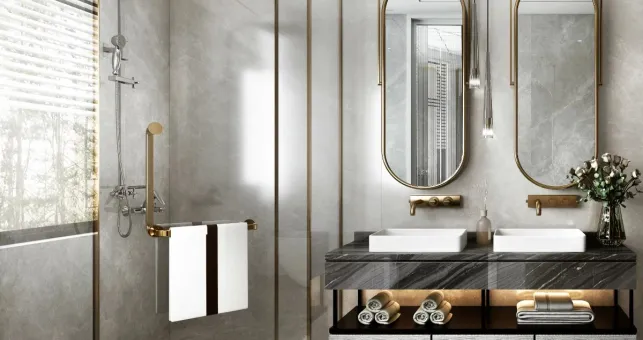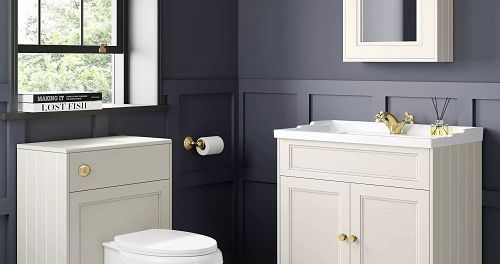
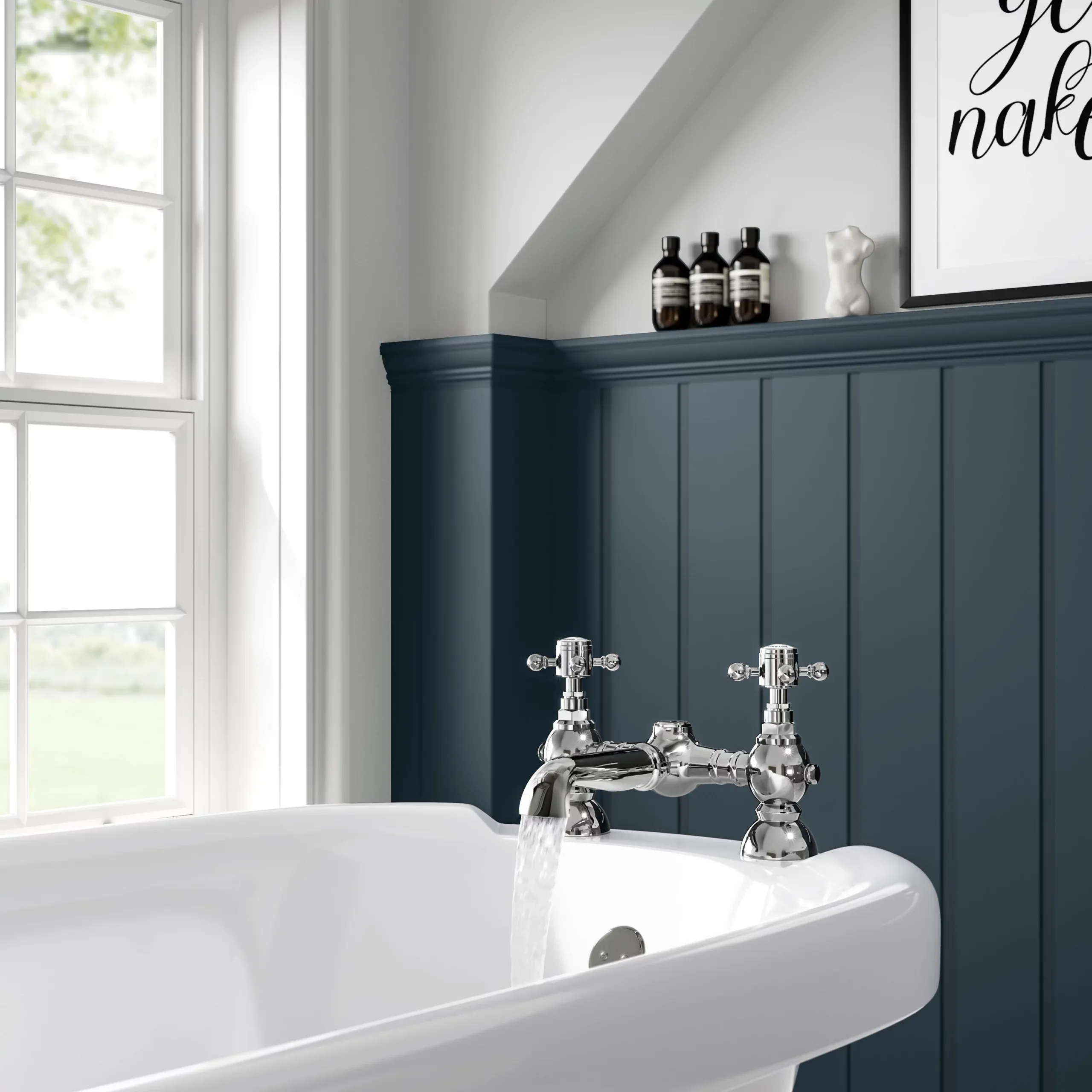
Loft bathroom design depends on height zoning, compact layout planning, ventilation control, lighting distribution, and moisture-resistant materials, because sloped ceilings reduce usable space and require precise placement of fixtures and storage. Loft bathrooms sit within roof structures where ceiling pitch creates high and low zones that control where showers, basins, toilets, and storage can function safely. High zones support standing use such as showers and basins, while low zones support baths, toilets, and under-eaves storage. Layout efficiency depends on aligning fixtures with ceiling height, maintaining clear circulation paths, and matching drainage routes to existing pipework.
Space optimisation requires short-projection fixtures, wall-mounted installations, recessed storage, and compact shower solutions to maximise usable floor area. Lighting must use layered systems such as recessed lights, mirror lighting, and roof window daylight to reduce shadows caused by angled ceilings. Ventilation must use extractor systems and controlled airflow to remove moisture and prevent condensation damage. Material selection must use slip-resistant flooring, moisture-resistant surfaces, and light-reflective colours to improve safety, durability, and brightness.
Loft bathroom performance also depends on selecting suitable fixtures and systems, including compact basins, space-saving baths, efficient shower layouts, glass partitions, and balanced heating solutions such as underfloor heating or towel rails. Design style, colour schemes, and tiling choices affect perceived space and maintenance effort. Cost planning must include plumbing extension, waterproofing, and structural constraints, while avoiding mistakes such as poor height zoning, weak ventilation, and incorrect fixture placement ensures long-term usability and reliability.
What Are Loft Bathrooms?

Loft bathrooms are bathrooms installed within attic or loft spaces under sloped roofs, and loft bathroom design depends on ceiling height variation, structural layout, drainage routing, ventilation control, and space-efficient fixture selection. Loft bathrooms use previously unused roof space to add functional living value. Sloped ceilings create height zoning where standing space and storage zones must be planned carefully.
- Sloped Ceiling Layout: Sloped ceiling layout defines usable height zones across the bathroom. Full-height zones suit showers and basins. Low-height zones suit toilets, storage, and bathtubs.
- Compact Space Use: Compact space use maximises limited floor area through short-projection toilets, wall-hung basins, and corner showers. Space efficiency improves movement flow between fixtures.
- Plumbing Positioning: Plumbing positioning requires alignment with existing soil stacks and water supply routes. Gravity drainage must maintain correct fall angles. Remote loft positions may require pump-assisted systems.
- Ventilation Strategy: Ventilation strategy controls humidity buildup in enclosed roof spaces. Extractor fans and roof vents reduce condensation and mould risk. Natural ventilation through roof windows improves airflow.
- Thermal Conditions: Thermal conditions in loft spaces vary more than standard floors due to roof exposure. Insulation quality affects comfort and moisture control. Temperature fluctuations impact seal longevity and material expansion.
- Lighting Integration: Lighting integration must compensate for reduced wall height and limited window space. Roof windows provide natural daylight and improve perceived space.
What Makes Loft Bathrooms Unique Design?
Loft bathroom design is unique because sloped ceilings, restricted head height, roof window placement, and compact floor plans force zoned layouts, space-saving fixtures, and integrated storage solutions that differ from standard bathroom layouts. Loft bathrooms use height variation as a design tool rather than a limitation. High zones support standing activities, while low zones support seated or storage functions.
- Height Zoning Layout: Height zoning layout divides the bathroom into full-height standing zones and reduced-height functional zones. Showers and basins sit in the highest clearance areas.
- Roofline Integration: Roofline integration aligns fixtures with ceiling pitch rather than opposing it. Angled walls become visual features instead of constraints. Fitted furniture follows the slope to avoid dead space.
- Compact Fixture Selection: Compact fixture selection uses short-projection toilets, wall-hung basins, and corner showers to maximise movement space. Reduced footprint prevents overcrowding in tight layouts.
- Built-In Storage: Built-in storage uses under-eaves space for shelves, drawers, and cabinets. Custom storage maximises otherwise unusable areas. Storage depth varies with ceiling slope.
- Roof Window Lighting: Roof window lighting introduces natural daylight from above, increasing brightness and perceived space. Light direction differs from vertical windows and reduces wall shadowing.
- Material Continuity: Material continuity uses consistent tiles, finishes, and colours to unify irregular surfaces. Continuous tile lines reduce visual fragmentation. Light-coloured finishes improve brightness in enclosed spaces.
How Do Sloped Ceilings Affect Loft Bathroom Layout And Design?
Sloped ceilings affect loft bathroom layout by creating variable head height zones that control fixture placement, circulation paths, storage design, and lighting positioning, because reduced vertical clearance limits standing areas and requires strategic zoning. High-clearance zones must support standing activities such as showering and basin use.
- Standing Zone Placement: Standing zone placement positions showers and basins in areas with maximum ceiling height. Minimum comfortable standing clearance must be maintained for daily use.
- Low Height Utilisation: Low height utilisation places toilets, bathtubs, and storage units under sloped sections. Seated use reduces head clearance requirements.
- Fixture Alignment Strategy: Fixture alignment strategy follows the roof pitch direction to maintain consistent spacing. Fixtures aligned with slope improve movement flow.
- Circulation Path Planning: Circulation path planning ensures movement routes avoid the lowest ceiling points. Walking paths must remain within safe head clearance zones.
- Door And Entry Position: Door and entry position must avoid sloped ceiling interference. Door swing requires full vertical clearance. Low entry points create restricted access and poor usability.
- Lighting Distribution: Lighting distribution compensates for shadowing from angled ceilings. Ceiling lights alone create uneven illumination. Wall lights and mirror lighting improve face visibility.
What Are The Best Bathroom Layouts For Loft Spaces?
Best loft bathroom layouts place showers and basins in full-height zones, position toilets and storage under slopes, maintain clear circulation routes of at least 600–800 mm, and align fixtures with existing drainage to minimise rework, because height variation and structure dictate usability. Layout success starts with mapping the highest ridge line and lowest eaves.
- Linear Along Ridge: Linear along ridge layout runs fixtures parallel to the highest roof line. Shower and basin sit under the ridge for full standing clearance. Toilet and storage shift toward the eaves.
- Back To Back Core: Back to back core groups WC and basin on one service wall to shorten pipe runs. The shower sits at the highest point for headroom. Compact grouping reduces heat and water loss.
- Corner Shower Focus: Corner shower focus places a quadrant or square shower in the tallest corner. Corner placement frees the central floor area and reduces door clashes. Basin aligns adjacent for shared lighting.
- Under Eaves Bath: Under eaves bath layout positions a bath beneath the slope where seated use is practical. The shower or basin stays in full-height zones. This approach preserves headroom for standing tasks.
- Wet Room Zoning: Wet room zoning uses a single level floor with a defined shower area at the highest point. Falls direct water to a linear or point drain. Glass screens control splash without doors.
- Galley Narrow Plan: Galley narrow plan suits long, tight lofts with fixtures on one side and a clear path on the other. Slim vanity and short-projection WC maintain width.
- Split Level Entry: Split level entry uses a small step to align the entry with a higher ridge zone when structure allows. The raised zone houses a shower and basin. The lower zone holds WC and storage.
How Do You Maximize Space In Small Loft Bathrooms?
Maximising space in small loft bathrooms requires short-projection fixtures, wall-mounted installations, recessed storage, sliding or compact door systems, and strict height zoning, because limited floor area and sloped ceilings reduce usable volume. Space optimization starts with mapping high and low ceiling zones. Standing fixtures must sit in full-height areas.
- Short Projection Fixtures: Short projection fixtures reduce front-to-back depth and increase movement space. Compact toilets and slim basins prevent overcrowding.
- Wall Mounted Installations: Wall-mounted installations such as wall-hung toilets and basins free floor space and improve visual openness. Clear floor lines make the room appear larger.
- Under Eaves Storage: Under eaves storage uses low-height zones for built-in cabinets and shelving. Custom storage prevents wasted space under slopes. Depth varies with ceiling angle.
- Sliding Door Systems: Sliding door systems remove door swing conflicts and preserve usable floor area. Pocket doors or sliding panels suit narrow loft layouts.
- Recessed Cabinet Use: Recessed cabinet use places mirror cabinets and shelving within wall cavities to reduce projection. Reduced projection improves safety near basins. Wall inspection must confirm space free of pipes and wiring.
- Light Colour Scheme: Light colour scheme increases perceived space by reflecting light across surfaces. Light tiles reduce visual compression under sloped ceilings.
What Are The Best Colour Schemes For Loft Bathrooms?

Best loft bathroom colour schemes use light-reflective tones, consistent palettes, and controlled contrast to offset sloped ceilings and limited wall height, because colour directly affects perceived space, brightness, and visual continuity in compact loft environments. Light colours increase brightness under angled ceilings. Consistent colour flow reduces visual breaks across irregular surfaces.
- All White Scheme: All white scheme maximises light reflection and reduces visual clutter in small loft bathrooms. White tiles and fixtures create a clean, continuous surface.
- Soft Neutral Palette: Soft neutral palette uses beige, light grey, and off-white tones to add warmth without reducing brightness. Neutral tones soften sharp roof angles. Balanced tones reduce glare compared to pure white.
- Monochrome Contrast: Monochrome contrast combines white with black or dark grey accents to define zones. Contrast highlights fixtures such as basins and showers.
- Light Grey Base: Light grey base provides a modern tone with lower glare than white. Grey reduces visible staining and water marks. Light grey pairs well with chrome and brushed finishes.
- Warm Earth Tones: Warm earth tones such as sand, taupe, and stone shades suit natural loft conversions. Warm tones complement wood beams and textured finishes.
- Two Tone Walls: Two tone walls use lighter colours on upper sections and slightly darker tones on lower sections to anchor the space. Upper light tones maintain brightness near the ceiling.
How Do Lighting Solutions Improve Loft Bathroom Functionality?
Lighting solutions improve loft bathroom functionality by increasing usable visibility in low-height zones, reducing shadows from sloped ceilings, and enhancing safety and grooming accuracy through layered illumination, because angled surfaces disrupt standard light distribution. Loft bathrooms require multiple light sources instead of a single ceiling fixture.
- Layered Lighting Design: Layered lighting design combines ambient, task, and accent lighting to create balanced illumination. Ambient light fills the room evenly. Task light focuses on grooming areas.
- Mirror Task Lighting: Mirror task lighting improves face visibility for shaving and skincare routines. Side or integrated LED lighting reduces under-eye shadows. Even illumination improves grooming accuracy.
- Recessed Ceiling Lights: Recessed ceiling lights suit loft bathrooms because they fit within limited ceiling height. Downlights provide focused illumination without hanging fixtures.
- Wall Mounted Fixtures: Wall mounted fixtures add horizontal light distribution that complements ceiling lighting. Side lighting reduces shadowing created by top lighting.
- Natural Light Integration: Natural light integration through roof windows increases brightness and reduces reliance on artificial lighting. Daylight improves colour perception and comfort.
- Low Glare LEDs: Low glare LEDs reduce harsh reflections on glossy tiles and mirrors. Diffused lighting improves comfort and reduces eye strain. Controlled brightness improves night use.
What Are The Best Ceiling Light Options For Loft Bathrooms?
Best ceiling light options for loft bathrooms include recessed downlights, flush-mounted LED lights, waterproof ceiling panels, directional spotlights, and low-profile surface lights, because sloped ceilings and limited height require compact, evenly distributed, moisture-safe lighting solutions. Loft bathrooms need lighting that fits within reduced ceiling height and avoids hanging fixtures.
- Recessed Downlights: Recessed downlights fit inside the ceiling and reduce visual bulk in low-height loft areas. Flush installation prevents head collision under slopes. Multiple downlights improve coverage across irregular ceiling angles.
- Flush Mount LEDs: Flush mount LED lights sit close to the ceiling and suit loft bathrooms with limited height. Low-profile design provides strong ambient lighting without protrusion.
- Waterproof Panels: Waterproof ceiling panels provide wide, even illumination across the room. Panels reduce shadow zones caused by sloped ceilings. High IP-rated fixtures resist moisture and steam exposure.
- Directional Spotlights: Directional spotlights allow adjustable light angles to target basin, shower, and storage zones. Adjustable heads compensate for uneven ceiling geometry.
- Low Profile Surface Lights: Low profile surface lights mount directly onto the ceiling and suit areas where recessed installation is not possible. Slim design maintains head clearance.
- LED Strip Integration: LED strip integration adds indirect lighting along beams or ceiling edges. Indirect light softens shadows and improves depth perception. Strip lighting enhances modern loft aesthetics.
What Ventilation Solutions Work Best In Loft Bathrooms?
Best ventilation solutions for loft bathrooms use extractor fans vented to the outside, roof-level airflow systems, and controlled air intake paths, because loft bathrooms trap heat and moisture under sloped roofs and require active airflow to prevent condensation, mould, and material damage. Loft ventilation must remove humid air quickly after shower use.
- Extractor Fan System: Extractor fan system removes humid air and pushes it outside through ducting. High airflow capacity improves moisture removal speed after showers.
- Roof Vent Outlet: Roof vent outlet provides a direct vertical path for moist air to exit the building. Straight duct routes reduce airflow resistance and condensation buildup inside ducts.
- Wall Vent Option: Wall vent option suits loft bathrooms with external wall access. Short duct runs improve airflow efficiency and reduce noise. Correct vent placement prevents moist air re-entering the loft space.
- Passive Airflow Design: Passive airflow design uses natural air movement between low-level intake points and high-level exhaust points. Fresh air enters through vents and pushes humid air out.
- Roof Ventilation System: Roof ventilation system uses ridge vents, soffit vents, or tile vents to maintain airflow within the loft structure. Continuous airflow reduces condensation on rafters and insulation.
- Humidity Sensor Control: Humidity sensor control activates ventilation automatically when moisture rises above a set level. Automatic operation ensures ventilation continues after bathroom use.
What Are The Best Shower Solutions For Loft Bathrooms?

Best shower solutions for loft bathrooms use height zoning, compact enclosures, efficient drainage, and minimal visual obstruction, because sloped ceilings limit standing space and require precise placement within full-height zones. Loft showers must sit under the highest ceiling point to maintain safe head clearance.
- Walk In Shower: Walk in shower uses an open-entry design with a fixed glass panel. Open layout removes door obstruction and increases usable space. Reduced hardware improves cleaning access.
- Corner Shower Unit: Corner shower unit fits into a high-clearance corner to maximise floor space. Quadrant and square trays reduce intrusion into circulation paths.
- Under Eaves Shower: Under eaves shower uses roof window positioning to improve vertical usability. Placement must avoid the lowest ceiling points. Rooflight alignment increases perceived height and brightness.
- Wet Room Design: Wet room design removes enclosures and uses a continuous floor with drainage slope. Open layout increases movement space and accessibility. Fewer visual breaks improve room perception.
- Sliding Door Enclosure: Sliding door enclosure eliminates outward door swing and protects circulation space. Sliding panels suit tight layouts near sloped ceilings.
- Bi Fold Shower Doors: Bi-fold shower doors fold inward to reduce clearance needs. Folding action suits restricted front space. Compact opening improves access in narrow areas.
- Frameless Glass Screens: Frameless glass screens maintain visual openness and improve light distribution. Reduced framing minimises clutter. Clear glass enhances perceived space.
How To Install Showers In Loft Spaces With Low Ceilings?
Installing showers in loft spaces with low ceilings requires placing the shower in the highest headroom zone, selecting low-profile trays or wet room floors, aligning fixtures with the roof slope, and ensuring proper drainage fall and waterproofing, because reduced ceiling height limits safe standing space. Installation starts with measuring clear head height along the slope.
- Position In High Zone: Position in high zone places the shower directly under the ridge or highest ceiling point. Full-height clearance ensures safe standing use. Incorrect placement under low slopes creates head impact risk.
- Use Low Profile Tray: Use low profile tray to reduce step-in height and maximise vertical clearance. Slim trays improve accessibility and reduce visual bulk. Lower height increases usable headroom under slopes.
- Consider Wet Room Floor: Consider wet room floor to eliminate tray height completely. Level flooring maximises vertical space in low ceilings. Continuous slope directs water to the drain.
- Align With Roof Pitch: Align with roof pitch to position the shower head and controls where ceiling height allows. Shower head height must suit user height without obstruction.
- Use Compact Enclosure: Use compact enclosure such as sliding or bi-fold doors to prevent door swing conflicts. Reduced door movement protects circulation space.
- Ensure Proper Drainage: Ensure proper drainage by maintaining correct pipe fall and positioning the waste near the lowest point of the shower area.
What Shower Screen Heights Work Best In Sloped Loft Bathrooms?
Best shower screen heights in sloped loft bathrooms align with the highest usable ceiling zone and typically range between 1700–2000 mm in the standing area, because correct height prevents head impact, controls splash, and maintains visual openness under angled ceilings. Screen height must step down or terminate before the slope reduces clearance.
- Full Height Zone: Full height zone screens use heights around 1900–2000 mm where vertical clearance allows. Taller screens contain spray effectively during high-flow showers.
- Mid Height Screens: Mid height screens use heights around 1700–1850 mm for areas with moderate slope. Reduced height avoids collision with angled ceilings.
- Half Height Screens: Half height screens use heights around 1400–1600 mm for low-ceiling sections. Lower screens maintain clearance but reduce splash protection. Suitable for combined bath-shower layouts under slopes.
- Stepped Screen Design: Stepped screen design follows the roofline with varying heights across the panel. The higher section sits in the standing zone, the lower section aligns with the slope.
- Fixed Glass Panels: Fixed glass panels avoid door height conflicts and suit sloped ceilings. Panels can be cut to match the roof angle. No moving parts reduce clearance issues.
- Sliding Screen Systems: Sliding screen systems work best when ceiling height restricts door movement. Sliding panels do not require overhead clearance.
What Are The Best Bath Options For Small Loft Spaces?
Best bath options for small loft spaces use compact lengths between 1200–1400 mm, corner or asymmetrical shapes, shower-bath combinations, and wall-aligned installations, because sloped ceilings and limited floor area restrict full-size bath layouts and require efficient space planning. Compact baths preserve movement space in narrow loft layouts.
- Compact 1400mm Bath: Compact 1400mm bath provides a balance between usability and space efficiency. Reduced length fits loft layouts without removing bathing function.
- Corner Bath Layout: Corner bath layout uses angled placement to maximise under-eaves zones. Corner positioning frees central floor space and improves movement flow.
- Shower Bath Combo: Shower bath combo combines bathing and showering in one unit to reduce fixture count. L-shape and P-shape designs create wider standing zones.
- Freestanding Compact Bath: Freestanding compact bath uses shorter lengths while maintaining a design-focused appearance. Placement must allow side access for cleaning.
- Inset Straight Bath: Inset straight bath fits between walls to maximise available width. Wall-aligned installation reduces wasted space. Panelled sides simplify cleaning and pipe concealment.
- Under Eaves Bath: Under eaves bath places the bath in low-height zones where standing is not required. Seated bathing suits reduced ceiling clearance. Placement maximises otherwise unusable space.
What Sink And Basin Options Suit Loft Bathrooms?

Best sink and basin options for loft bathrooms use compact dimensions, wall-mounted or space-saving formats, and layouts that fit under sloped ceilings, because limited head height and restricted floor area require efficient fixture selection. Basin choice must align with ceiling height zones and available wall space. Wall-hung basins improve floor visibility and circulation. Corner basins maximise awkward angles. Vanity basins add storage where floor space allows. Countertop basins suit design-led layouts with sufficient height.
- Wall Hung Basin: Wall hung basin suits loft bathrooms because it frees floor space and improves visual openness. An open floor area makes the room appear larger. Installation height must align with comfortable use under sloped ceilings.
- Corner Basin Design: Corner basin design fits into tight angles and uses otherwise unused wall space. Corner placement improves circulation in narrow loft layouts. Compact footprint reduces obstruction near doors.
- Compact Cloakroom Basin: Compact cloakroom basin uses reduced width and projection to fit small spaces. Narrow basins prevent overcrowding near toilets and showers. The smaller size still supports daily handwashing needs.
- Vanity Basin Unit: Vanity basin unit combines a basin with storage below to reduce clutter. Storage improves organisation in limited loft space. Unit depth must suit circulation and avoid blocking movement.
- Countertop Basin Style: Countertop basin sits on a worktop and creates a modern design feature. Raised height requires adequate ceiling clearance. Worktop storage improves organisation and layout flexibility.
- Under Eaves Placement: Under eaves placement positions basins in areas with reduced ceiling height where full standing clearance is not required. Placement maximises use of sloped zones.
What Are The Best Storage Solutions For Loft Bathrooms?
Best storage solutions for loft bathrooms use under-eaves storage, vertical wall-mounted units, recessed shelving, multifunctional furniture, and compact organisation systems, because sloped ceilings and limited floor space require efficient use of irregular areas. Loft storage design must prioritise low-height zones that cannot support standing use. Built-in solutions prevent wasted space under slopes. Wall-mounted storage keeps the floor area clear and improves circulation.
- Under Eaves Storage: Under eaves storage uses low-height areas beneath sloped ceilings for cabinets, drawers, and shelves. Custom-built units maximise otherwise unusable space.
- Wall Mounted Cabinets: Wall mounted cabinets use vertical wall space to increase storage without reducing floor area. Elevated placement improves accessibility and keeps items away from splash zones.
- Recessed Shelving: Recessed shelving fits within wall cavities to reduce projection and improve safety in tight spaces. Built-in shelves maintain a clean and minimal look.
- Vanity Storage Units: Vanity storage units combine basin and storage in one fixture to reduce clutter. Drawers and cupboards organise daily-use items. Unit depth must match available circulation space.
- Floating Shelves: Floating shelves provide open storage for frequently used items. Open design keeps items visible and accessible. Placement must avoid low clearance zones.
- Tall Narrow Units: Tall narrow units use vertical height in full-clearance zones to maximise storage capacity. Slim width prevents obstruction in tight layouts. Vertical storage improves organisation for towels and toiletries.
What Mirror And Cabinet Options Suit Low Loft Ceilings?
Best mirror and cabinet options for low loft ceilings use slim depth profiles, reduced height formats, recessed installation where possible, and compact door systems, because limited vertical clearance requires minimal projection and efficient placement to avoid head impact and visual crowding. Mirror cabinets must sit within safe head zones and align with basin height. Oversized cabinets reduce usability in sloped areas. Slim and shallow units improve circulation and safety. Recessed designs maximise space without increasing footprint.
- Slim Depth Cabinets: Slim depth cabinets reduce projection and minimise head collision risk under sloped ceilings. Reduced depth improves movement space near the basin. Slim designs still support essential storage for daily items.
- Recessed Mirror Cabinets: Recessed mirror cabinets fit inside wall cavities to eliminate outward projection. Flush installation creates a clean, built-in look. Reduced projection improves safety in low-height zones.
- Low Height Cabinets: Low height cabinets suit areas with restricted vertical clearance. Reduced height prevents collision with angled ceilings. Lower units must still align with user eye level for usability.
- Single Door Units: Single door units suit narrow wall sections and reduce hinge complexity. Simple opening suits tight layouts with limited side clearance.
- Sliding Mirror Doors: Sliding mirror doors eliminate outward swing and reduce clearance conflicts. Sliding motion suits areas where wall proximity restricts opening. Smooth track operation improves daily usability.
What Are The Best Tiling Options For Loft Bathrooms?
Best tiling options for loft bathrooms use large-format tiles, slip-resistant flooring, moisture-resistant materials, light-reflective colours, and continuous layouts, because sloped ceilings and compact layouts require fewer visual breaks, strong durability, and safe wet-area performance. Loft bathrooms benefit from tiles that reduce grout lines and simplify cleaning. Porcelain tiles provide high water resistance and durability. Wall tiles must improve brightness under angled ceilings.
- Large Format Tiles: Large format tiles reduce grout lines and create a seamless surface across walls and floors. Fewer joints improve cleaning speed and reduce mould buildup. Larger tiles improve perceived space in compact loft bathrooms.
- Porcelain Tiles: Porcelain tiles provide high durability and low water absorption, which suits humid loft environments. Dense material resists staining and wear from daily use.
- Slip Resistant Flooring: Slip resistant flooring improves safety in wet zones such as showers and under eaves. Textured or matte finishes increase grip underfoot. Higher slip resistance reduces fall risk in compact layouts.
- Light Colour Tiles: Light colour tiles increase brightness and reflect natural and artificial light across angled surfaces. White, beige, and light grey tones reduce visual compression.
- Continuous Tile Layout: Continuous tile layout uses the same tile across floors and walls to create visual flow. Seamless surfaces reduce visual breaks and expand perceived space. Consistent tiling improves cohesion in irregular loft shapes.
- Waterproof Wall Tiles: Waterproof wall tiles protect structural elements from moisture exposure. Full-height tiling in shower zones prevents water penetration. Proper sealing around joints improves durability.
- Accent Feature Tiles: Accent feature tiles add controlled visual interest without overwhelming small spaces. Mosaic or patterned tiles suit niche areas or feature walls.
What Are The Best Heating Solutions For Loft Bathrooms?

Best heating solutions for loft bathrooms combine underfloor heating, heated towel rails, compact radiators, and proper insulation, because loft spaces lose heat faster through the roof and require even, space-efficient heat distribution. Heating must work within limited wall space and sloped ceilings. Even heat reduces cold spots under eaves. Space-saving systems improve layout flexibility.
- Underfloor Heating: Underfloor heating provides even heat distribution across the entire floor area. Warm flooring improves comfort on tiled surfaces. No wall fixtures improve space efficiency in compact layouts.
- Heated Towel Rail: Heated towel rail provides both heating and towel drying in one unit. Wall-mounted design saves floor space. Placement near the shower improves usability.
- Compact Radiator: Compact radiator delivers focused heat output where underfloor systems are not available. Slim or vertical designs fit narrow walls. Correct sizing ensures sufficient warmth in small loft bathrooms.
- Electric Heating Options: Electric heating options such as panel heaters or electric towel rails provide flexible installation without central heating connection. Fast heat-up improves comfort.
- Dual Fuel Systems: Dual fuel systems combine central heating and electric operation for year-round use. Central heating works in winter. Electric mode supports use in warmer months.
- Insulation Support: Insulation support reduces heat loss through roof surfaces and maintains stable temperature. Proper insulation improves heating efficiency.
What Are The Best Loft Bathroom Ideas For Scandinavian Design?
Best Scandinavian loft bathroom ideas use light colour palettes, natural materials, simple geometry, efficient storage, and balanced lighting, because Scandinavian design prioritises brightness, minimalism, and functional comfort in compact spaces. Loft bathrooms benefit from Scandinavian design through reduced visual clutter and improved light reflection under sloped ceilings. Natural textures soften hard surfaces and create warmth.
- Light Neutral Palette: Light neutral palette uses white, soft grey, and beige tones to maximise light reflection. Bright surfaces improve visibility under angled ceilings. Neutral colours reduce visual compression in small spaces.
- Natural Wood Elements: Natural wood elements add warmth and contrast to light surfaces. Wood finishes soften the minimal design and improve comfort. Light oak or ash tones suit Scandinavian style.
- Minimal Fixture Design: Minimal fixture design uses simple shapes and clean lines for basins, toilets, and showers. Reduced detailing lowers visual clutter. Wall-hung fixtures improve floor visibility.
- Open Space Layout: Open space layout reduces barriers and improves movement flow. Walk-in showers and frameless screens increase perceived space. Fewer partitions improve light distribution.
- Integrated Storage: Integrated storage uses built-in cabinets and under-eaves units to keep surfaces clear. Hidden storage maintains a tidy appearance. Efficient storage reduces visual noise.
- Soft Lighting Design: Soft lighting design uses warm LED tones and diffused lighting to create a relaxing atmosphere. Balanced lighting reduces harsh shadows from sloped ceilings.
What Glass Partition Options Maximize Visual Space?
Glass partition options that maximise visual space use clear, low-frame, and full-height or cut-to-slope panels, because uninterrupted sightlines and minimal hardware reduce visual barriers and increase perceived room size in loft bathrooms. Clear glass maintains light flow from roof windows. Minimal framing reduces edge lines that fragment space.
- Frameless Fixed Panel: Frameless fixed panel uses a single clear glass sheet with minimal brackets. No door hardware keeps sightlines clean. Fixed design suits walk-in showers and tight circulation paths.
- Walk In Screen: Walk in screen creates an open shower zone with one or two fixed panels. Open entry improves movement and accessibility. Fewer edges reduce visual clutter.
- Sliding Glass Doors: Sliding glass doors maximise space by removing outward door swing. Parallel panels suit narrow loft layouts.
- Bi Fold Glass Doors: Bi fold glass doors fold inward to reduce clearance needs near sloped walls. Compact opening suits restricted front space.
- Angled Custom Panels: Angled custom panels follow the roof slope to avoid head clashes and unused gaps. Custom cuts maximise usable shower width. Precise measurement ensures tight sealing.
- Half Height Screen: Half height screen reduces obstruction in very low-ceiling zones. The lower panel maintains openness while limiting splash near controls.
How Much Does A Loft Bathroom Conversion Cost In The UK?

A loft bathroom conversion in the UK typically costs £4,000–£9,000 for the bathroom itself, and total loft conversion cost including the bathroom usually ranges from £30,000–£75,000+, because structural work, plumbing extension, and layout complexity drive most of the cost rather than fixtures alone. Bathroom cost depends on size, plumbing distance, and finish level. Loft conversion type such as Velux, dormer, or mansard changes total budget significantly.
- Basic Bathroom Cost: Basic loft bathroom cost typically sits between £4,000–£6,000 for a simple layout with standard fixtures and minimal structural change. Lower cost uses existing pipe routes and compact fittings.
- Mid Range Bathroom Cost: Mid-range loft bathroom cost typically sits between £6,000–£8,000 with better sanitaryware, improved tiling, and additional features such as walk-in showers. Improved materials increase durability and finish quality.
- High End Bathroom Cost: High-end loft bathroom cost typically sits between £8,000–£12,000+ with premium fittings, custom layouts, and advanced features such as underfloor heating and bespoke tiling. Luxury design increases material and labour cost.
- Plumbing Installation Cost: Plumbing installation cost increases when new soil pipes, water feeds, and drainage routes must be extended into the loft. Gravity fall requirements influence pipe routing complexity.
- Ventilation And Waterproofing Cost: Ventilation and waterproofing cost adds to ensure moisture control in roof spaces. Extractor fans, ducting, and sealing systems are required. Waterproof membranes and tiling protect structural elements.
What Are Common Mistakes In Loft Bathroom Design?
Common loft bathroom design mistakes include poor height zoning, incorrect fixture placement, inadequate ventilation, weak drainage planning, insufficient lighting, and lack of storage integration, because sloped ceilings and limited space require precise layout planning and system coordination. Mistakes usually occur when standard bathroom layouts are applied to loft spaces without adapting to ceiling pitch. Incorrect planning reduces usability and increases long-term maintenance issues.
- Poor Height Zoning: Poor height zoning places showers or basins in low-clearance areas. Reduced headroom creates discomfort and safety risks. Incorrect zoning wastes usable high-ceiling space.
- Wrong Fixture Placement: Wrong fixture placement ignores ceiling slope and structural elements. Toilets or basins placed in high zones waste space. Showers placed in low zones reduce comfort.
- Weak Ventilation Planning: Weak ventilation planning causes condensation buildup and mould growth. Loft spaces trap moisture more than standard rooms. Lack of extraction reduces air quality and damages materials.
- Poor Drainage Design: Poor drainage design creates slow water flow and standing water in showers. Incorrect pipe fall reduces efficiency. Drain placement must align with floor slope.
- Insufficient Lighting: Insufficient lighting creates dark zones due to sloped ceilings blocking light spread. Single light sources increase shadows.
- Lack Of Storage: Lack of storage leads to clutter and reduces usable space. Loft bathrooms require built-in storage under slopes. Missing storage wastes low-height areas.
Summing Up
Loft bathroom design works best when every decision follows the roof shape. High ceiling zones must carry showers and basins, while low zones must handle toilets, baths, and storage. Correct zoning improves safety, comfort, and daily usability. Compact layouts, wall-mounted fixtures, and built-in storage maximise limited space without overcrowding the room.
Performance depends on strong ventilation, balanced lighting, and moisture-resistant materials. Extractor systems prevent condensation, layered lighting removes shadows, and proper heating keeps the space comfortable. Glass partitions and light colour schemes improve brightness and make the room feel larger. A successful loft bathroom comes from precise planning rather than complex design. When layout, drainage, and structure align correctly, the space becomes practical, efficient, and easy to maintain for long-term use.