Choosing the best shower head starts with matching the shower head to the bathroom setup, since water pressure, flow rate, and shower system type decide shower performance. A shower head feels weak when a wide spray face spreads limited flow, while a focused spray plate keeps spray strength higher on low pressure. A combi boiler shower head usually suits high-pressure rated designs, while an electric shower head usually suits a low-pressure handset that concentrates the spray.
Hard water and limescale change shower head performance over time, so rub-clean silicone nozzles, removable spray plates, and easy-clean filters matter for keeping spray holes clear. Spray pattern and spray coverage change shower feel, since a concentrated spray rinses faster and a wider spray feels softer across more of the body.
Shower head compatibility matters before buying, so thread type, mounting position, hose connection, and pressure rating need checking to avoid leaks and poor fit. Material choice affects lifespan, so brass and stainless steel parts usually outlast lightweight plastic, while durable finishes such as chrome resist daily moisture and cleaning.
Spending more makes sense when daily use is high, water is hard, or water pressure is low, since practical features such as pressure-boosting design and easy-clean nozzles improve long-term shower head performance more than appearance alone.
How Do You Choose the Best Shower Head for Your Bathroom?

To choose the best shower head for your bathroom, check the water pressure first, then match the shower head type, spray pattern, fitting position, and shower size. Correct shower head selection improves water flow, comfort, and daily use.
The main ways to choose the best shower head are listed below:
-
- Check the Water Pressure: Low water pressure suits smaller or pressure-boosting shower heads because a smaller spray face keeps water flow stronger. High water pressure suits larger shower heads and rainfall shower heads because wider spray coverage stays more even.
-
- Choose the Shower Head Type: Fixed shower heads suit simple shower sets. Handheld shower heads suit bath-shower layouts, hair washing, and family bathrooms because a flexible hose gives more reach. Dual shower heads suit households that want fixed and handheld use together.
-
- Select the Spray Pattern: Single-spray shower heads suit direct rinsing. Multi-spray shower heads suit buyers who want massage spray, mist spray, or mixed spray settings. Concentrated spray patterns rinse shampoo faster, while softer spray patterns feel gentler.
-
- Confirm the Fitting Position: Wall-mounted shower heads suit most bathrooms because most shower pipework comes through the wall. Ceiling-mounted shower heads suit wet rooms and larger showers, but the plumbing layout must support that fitting.
-
- Measure the Shower Space: Smaller shower heads suit compact shower areas because the spray stays more controlled. Larger shower heads suit walk-in shower enclosures because larger shower spaces handle wider spray coverage more effectively.
-
- Consider Cleaning Requirements: Shower heads with rub-clean nozzles suit hard water areas because limescale removes more easily and spray holes stay clearer.
-
- Match the Finish and Shape: Round shower heads suit softer bathroom designs. Square shower heads suit more modern bathroom layouts. Matching the finish with taps and fittings creates a more consistent bathroom design.
-
- Check Hose Length for Handheld Models: Longer hoses suit bath-shower setups and family bathrooms because longer reach improves flexibility. Shorter hoses suit smaller enclosures because excess hose creates clutter.
-
- Review Material Quality: Brass and stainless steel parts usually last longer than lightweight plastic parts. Stronger materials suit bathrooms with frequent daily use.
-
- Prioritise Daily Use: The best shower head is the shower head that fits the bathroom layout, water pressure, and household routine, not the shower head chosen only for appearance.
The best shower head matches bathroom pressure, shower space, plumbing position, and daily use. Accurate matching improves shower performance, comfort, and long-term practicality.
How Do Water Pressure and Flow Rate Affect Shower Performance?
Water pressure decides how strong the spray feels, and flow rate decides how much water comes out each minute, so both factors affect rinse speed and comfort. Low pressure often feels weak, while steady pressure and a healthy flow rate usually feel fuller and rinse shampoo faster.
How Do Spray Pattern and Spray Coverage Change the Shower Feel?
Spray pattern changes how the water hits the skin, and spray coverage changes how wide the water spreads. A focused spray feels stronger and rinses quicker, while a wider spray feels softer and covers more of the body at once.
How Do You Check Shower Head Compatibility Before Buying?
Check compatibility by confirming the fitting type, the mounting position, and whether a hose connection is needed, because the shower head must match the existing shower setup. A matching fitting and the right pressure range prevent leaks, awkward installs, and weak spray.
Which Materials and Finishes Last Longest in Daily Use?
Brass and stainless steel usually last longer because these materials handle moisture, knocks, and regular cleaning better than lightweight plastic parts. Chrome finish also tends to hold up well because chrome resists staining and dulling in everyday bathroom use.
Which Features Are Worth Paying More For?
Rub-clean nozzles, pressure-boosting design, solid metal parts, and useful spray settings are usually worth paying more for because these features keep the spray consistent, reduce limescale problems, and help the shower head last longer.
What Types of Shower Heads Are Available?
The main types of shower heads are fixed shower heads, handheld shower heads, dual shower heads, rainfall shower heads, high-pressure shower heads, filtered shower heads, and electric shower heads. Each shower head type suits a different bathroom setup, water pressure level, and daily shower routine.
The types of shower heads are listed below:
-
- Fixed Shower Heads: Fixed shower heads attach to a wall-mounted shower arm and stay in one position, which suits simple shower enclosures and straightforward daily use.
-
- Handheld Shower Heads: Handheld shower heads connect to a flexible hose and sit in a holder, which suits family bathrooms, hair washing, assisted washing, and bath-shower combinations.
-
- Dual Shower Heads: Dual shower heads combine a fixed shower head and a handheld shower head in one set, which suits households that want both full-body spray and flexible hose control.
-
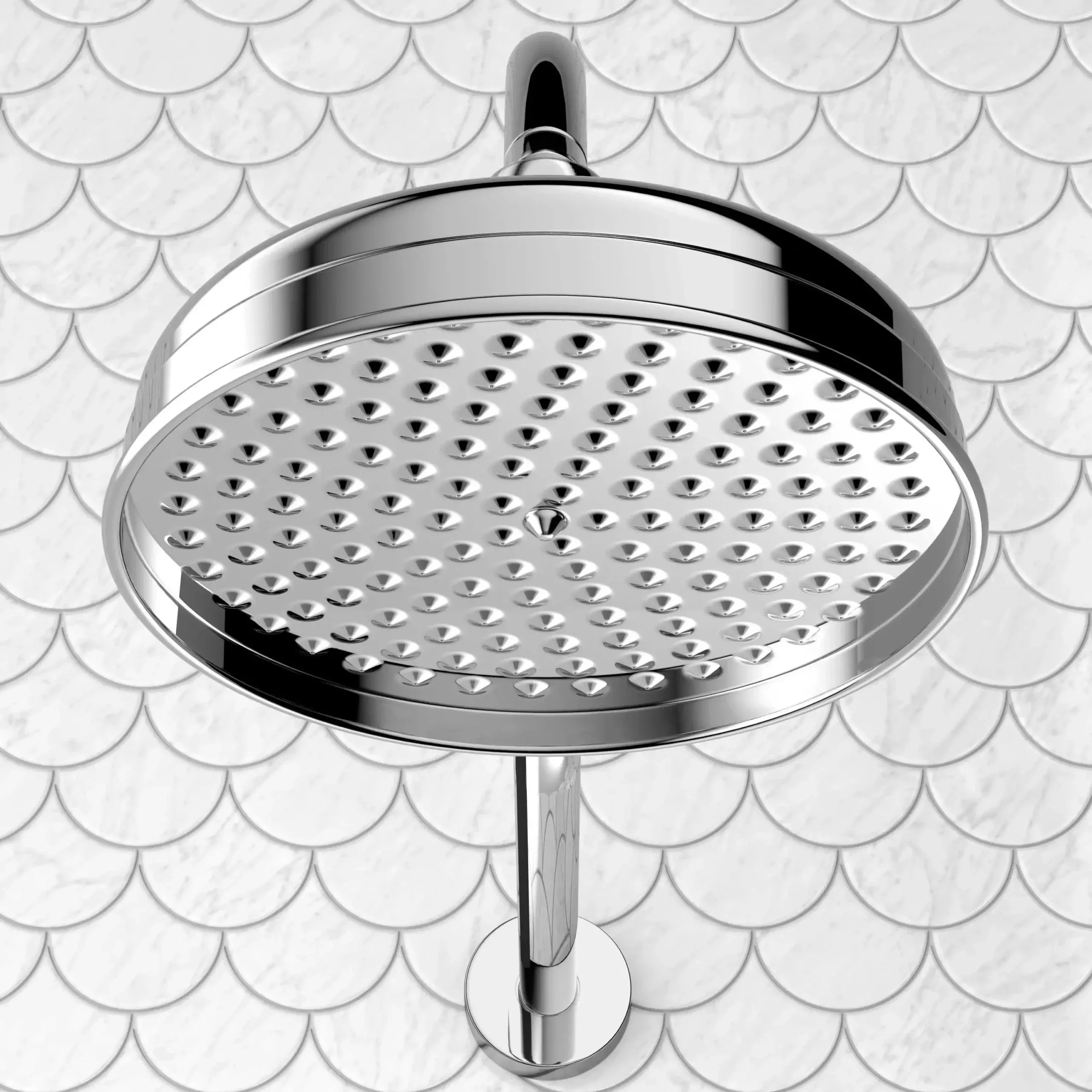
- Rainfall Shower Heads: Rainfall shower heads use a wider spray face and usually mount overhead, which suits larger shower spaces and wet rooms where wider spray coverage stays contained.
-
- High-Pressure Shower Heads: High-pressure shower heads use narrower channels or special nozzle designs to increase spray force, which suits bathrooms with low water pressure and weak shower spray.
-
- Filtered Shower Heads: Filtered shower heads include a filtration cartridge that reduces some water contaminants and odours, which suits users who want filtration as part of daily showering.
-
- Electric Shower Heads: Electric shower heads work with electric shower units that heat water inside the shower unit, which suits bathrooms without a stored hot water supply to the shower.
-
- Eco Shower Heads: Eco shower heads use flow regulators to reduce water use while maintaining a usable spray, which suits households that want lower water consumption.
-
- Waterfall Shower Heads: Waterfall shower heads produce a sheet-like flow rather than a spray pattern, which suits modern bathroom designs and specific shower preferences.
Which Shower Heads Are Best for Low Water Pressure?

The best shower heads for low water pressure are high-pressure shower heads, aerating shower heads, and handheld shower heads with a smaller spray face, because these designs concentrate flow and make the spray feel stronger. A low-pressure shower head works best when the shower head matches the shower system and the available flow rate.
The shower heads that suit low water pressure are listed below:
-
- High-Pressure Shower Heads: High-pressure shower heads use narrower water channels to concentrate flow, which increases spray force in low-pressure bathrooms.
-
- Aerating Shower Heads: Aerating shower heads mix air into the water stream, which makes the spray feel fuller and more forceful even when flow is limited.
-
- Smaller Spray-Face Shower Heads: Smaller spray-face shower heads keep water concentrated over a smaller area, which improves perceived pressure and reduces weak, scattered spray.
-
- Handheld Shower Heads With Focused Nozzles: Handheld shower heads with tighter nozzle patterns often feel stronger because the spray stays directed rather than spread wide.
-
- Single-Spray Shower Heads: Single-spray shower heads often perform better than multi-spray shower heads at low pressure because the water does not split across multiple spray modes.
Which Shower Heads Are Best for Hard Water and Limescale?
The best shower heads for hard water and limescale are shower heads with rub-clean silicone nozzles, anti-limescale spray faces, and easy-access parts for descaling, because these designs reduce mineral build-up and keep spray holes clear. A hard water shower head stays consistent when cleaning stays simple.
The shower heads that suit hard water and limescale are listed below:
-
- Rub-Clean Nozzle Shower Heads: Rub-clean silicone nozzles release limescale faster because limescale breaks away when the nozzles are wiped by hand during routine cleaning.
-
- Anti-Limescale Shower Heads: Anti-limescale spray faces use materials and nozzle shapes that reduce mineral grip, which slows down blockage and uneven spray.
-
- Filtered Shower Heads With Replaceable Cartridges: Filtered shower heads with replaceable cartridges reduce some impurities and sediment, which can lower build-up inside the shower head and improve long-term flow.
-
- Shower Heads With Large, Widely Spaced Nozzles: Large nozzle spacing blocks less easily because mineral deposits take longer to seal a wider opening.
-
- Shower Heads With Removable Spray Plates: Removable spray plates make descaling easier because the spray plate can be soaked and scrubbed without dismantling the full shower head.
-
- Chrome Shower Heads With Smooth Finishes: Smooth chrome finishes clean more easily because mineral deposits and soap residue show clearly and wipe away faster than textured finishes.
Which Shower Heads Are Best for Combi Boilers and Electric Showers?
The best shower heads for combi boilers are standard or rainfall shower heads rated for high pressure, while the best shower heads for electric showers are handset shower heads designed for low pressure and low flow. Correct matching protects shower performance because combi boiler showers use mains pressure and electric showers use a fixed flow rate from the electric unit.
The shower heads that suit combi boilers and electric showers are listed below:
-
- Combi Boiler Shower Heads: Combi boiler shower heads perform best with high-pressure designs because a combi boiler usually feeds a shower from the mains. Larger spray faces and rainfall shower heads suit combi boiler systems when water pressure remains strong and consistent.
-
- Electric Shower Handsets: Electric shower handsets perform best with low-pressure designs because an electric shower heats water inside the unit and delivers a controlled flow rate. Smaller spray faces and fewer spray modes suit electric showers because water flow stays concentrated instead of being split across many outlets.
-
- Avoid Large Rainfall Heads on Electric Showers: Large rainfall shower heads often feel weak on electric showers because the same flow rate spreads across a wider spray plate, which reduces spray force.
-
- Prefer Simple Spray Settings on Electric Showers: Single-spray or low-mode handsets suit electric showers because fewer outlets keep spray strength higher than multi-spray plates with many settings.
-
- Check Pressure Rating Before Purchase: Packaging labels such as High Pressure, Low Pressure, or Suitable for Combi Boiler indicate shower head compatibility. Matching the shower head pressure rating to the shower system prevents weak spray and uneven temperature control.
Which Shower Heads Are Best for Different Needs?

The best shower head depends on the main need, because water pressure, bathroom layout, and daily routine change which shower head performs best. Matching shower head type to the need improves spray comfort, rinsing speed, and practical use.
The shower heads that suit different needs are listed below:
-
- Best Shower Heads for Low Water Pressure: High-pressure shower heads and smaller spray-face shower heads suit low water pressure because concentrated nozzles make the spray feel stronger.
-
- Best Shower Heads for Hard Water and Limescale: Shower heads with rub-clean silicone nozzles and removable spray plates suit hard water because easy cleaning keeps spray holes clear.
-
- Best Shower Heads for Combi Boilers: High-pressure shower heads suit combi boilers because combi boiler showers often run at mains pressure and support wider spray coverage.
-
- Best Shower Heads for Electric Showers: Low-pressure handset shower heads suit electric showers because electric showers deliver a controlled flow rate and concentrated spray feels stronger.
-
- Best Shower Heads for Family Bathrooms: Handheld shower heads suit family bathrooms because a flexible hose helps hair washing, assisted washing, and cleaning the shower area.
-
- Best Shower Heads for Bath-Shower Combinations: Handheld shower heads with a longer hose suit bath-shower combinations because longer reach supports rinsing and cleaning.
-
- Best Shower Heads for Walk-In Showers and Wet Rooms: Rainfall shower heads and larger fixed shower heads suit walk-in showers and wet rooms because larger spaces handle wider spray coverage.
-
- Best Shower Heads for Sensitive Skin: Softer spray settings and aerating shower heads suit sensitive skin because gentler spray feels less harsh during longer showers.
-
- Best Shower Heads for Easy Cleaning: Shower heads with rub-clean nozzles suit easy cleaning because limescale wipes away faster during routine maintenance.
-
- Best Shower Heads for Water Saving: Eco shower heads with flow regulators suit water saving because regulated flow reduces water use while keeping a usable spray.
What Is the Difference Between a Rain Shower Head and a High-Pressure Shower Head?
A rain shower head spreads water across a wide spray face for softer, full-body coverage, while a high-pressure shower head concentrates water through smaller channels for a stronger, more forceful spray. Rain shower heads suit higher-pressure systems and larger shower spaces, while high-pressure shower heads suit low water pressure and faster rinsing.
What Is the Difference Between a Handheld Shower Head and a Fixed Shower Head?
A handheld shower head connects to a flexible hose and can be moved by hand for targeted rinsing, while a fixed shower head stays in one position on a wall or ceiling arm for a constant spray angle. Handheld shower heads suit flexible use and family bathrooms, while fixed shower heads suit simple daily showering.
What Is the Difference Between a Filtered Shower Head and a Standard Shower Head?
A filtered shower head passes water through a replaceable filter cartridge before spraying, while a standard shower head sprays water directly without filtration. Filtered shower heads suit buyers who want reduced odour and some contaminant reduction, while standard shower heads suit buyers who want simple spray performance with fewer parts to replace.
Are Shower Heads Universal, and How Easy Are They to Install?
Most shower heads are close to universal because many shower heads use standard UK thread sizes, but shower head fit depends on the existing connection type and shower system. Shower head installation is usually simple because most replacements involve unscrewing the old shower head and tightening the new shower head onto the same fitting.
How Do You Know Whether a Shower Head Will Fit Your Shower?
A shower head will fit when the shower head connection matches the existing thread, mounting style, and hose or shower arm fitting. Check whether the shower uses a handheld hose connection or a fixed shower arm connection, then confirm the thread size listed on the shower head specification.
How Do You Replace a Shower Head Step by Step?
Replace a shower head by removing the old shower head, cleaning the connection, applying sealing tape when needed, and tightening the new shower head onto the same fitting. A basic shower head replacement usually takes only a few minutes with an adjustable spanner and a cloth.
The steps to replace a shower head are listed below:
-
- Turn Off the Shower: Close the shower controls fully to stop water flow and reduce pressure at the outlet.
-
- Protect the Finish: Wrap a cloth around the shower head nut or hose nut before using a spanner to prevent scratching.
-
- Unscrew the Old Shower Head: Turn the shower head anticlockwise by hand or with a spanner until the shower head comes free from the shower arm or hose.
-
- Clean the Connection Thread: Wipe away old tape, limescale, and debris from the thread to help the new shower head seal properly.
-
- Apply PTFE Tape if Needed: Wrap PTFE tape clockwise around the male thread if the joint uses a threaded connection that needs extra sealing.
-
- Screw On the New Shower Head: Tighten the new shower head clockwise by hand until secure, then use a spanner for a small final tighten if needed.
-
- Test for Leaks: Turn the shower on and check the connection for drips, then tighten slightly more if leaking continues.
Which Installation Mistakes Should You Avoid?
Avoid installation mistakes that cause leaks, thread damage, or poor spray performance, because most shower head problems come from cross-threading, over-tightening, and poor sealing. A correct shower head install keeps the fitting watertight and protects the shower hose and shower arm.
The installation mistakes to avoid are listed below:
-
- Cross-Threading the Connection: Start threading by hand before using tools, because cross-threading damages the thread and prevents a watertight seal.
-
- Over-Tightening the Nut: Tighten only until snug, because over-tightening cracks fittings, damages washers, and strips threads.
-
- Skipping Thread Cleaning: Clean the thread before fitting, because old tape and limescale prevent a proper seal.
-
- Using PTFE Tape Incorrectly: Wrap PTFE tape in the tightening direction, because the wrong wrap direction causes tape to unwind and leak.
-
- Ignoring Washer Condition on Handsets: Replace worn rubber washers in hose connections, because damaged washers cause leaks even when the nut feels tight.
-
- Choosing the Wrong Shower Head for the System: Match the shower head pressure rating to the shower type, because electric showers and low-pressure systems often perform poorly with large rainfall shower heads.
How Do You Clean and Maintain a Shower Head?

You can clean and maintain a shower head by removing limescale from the nozzles, clearing spray holes, and checking seals so the shower head keeps an even spray and steady water flow. Regular shower head cleaning reduces blockage, reduces uneven spray, and reduces dripping from mineral build-up.
The steps to clean and maintain a shower head are listed below:
-
- Check the Nozzles First: Rub the silicone nozzles with fingers to break off soft limescale, then run the shower to flush loosened mineral deposits.
-
- Remove the Shower Head When Possible: Unscrew the shower head from the hose or shower arm to allow full cleaning access to the spray face and internal parts.
-
- Soak the Spray Face to Remove Limescale: Soak the shower head spray plate in a descaling solution or white vinegar solution, then rinse thoroughly to remove loosened limescale and residue.
-
- Brush the Spray Holes: Use a soft brush or old toothbrush to clear blocked spray holes, then rinse again to restore even spray distribution.
-
- Clear the Filter Screen: Remove and rinse any mesh filter screen inside the shower head connection, because trapped grit reduces flow and causes uneven spray.
-
- Clean the Connection Threads: Wipe the shower head threads and hose threads, because debris on the thread prevents proper sealing and increases leak risk.
-
- Replace Worn Washers: Replace rubber washers if leaks continue after cleaning, because flattened washers often cause drips at the hose joint.
-
- Reinstall and Test the Shower Head: Refit the shower head, tighten to a snug fit, then run the shower and check spray quality and leaks.
-
- Repeat Cleaning on a Routine: Clean the shower head more often in hard water areas, because hard water deposits build faster and reduce shower head performance sooner.
Which Common Shower Head Buying Mistakes Should You Avoid?
The most common shower head buying mistakes come from skipping the basic checks on water pressure, shower system type, fitting size, and limescale risk, so the shower head ends up feeling weak, fitting badly, or blocking quickly. A fast match between shower head design and shower setup avoids most problems.
The common shower head buying mistakes to avoid are listed below:
-
- Ignoring Water Pressure: A wide rainfall shower head often feels disappointing on low water pressure because the flow spreads across a large spray face and the spray loses force.
-
- Buying the Wrong Shower Head for the Shower System: Electric showers usually perform better with a low-pressure handset, while combi boiler showers usually suit a high-pressure shower head, because the water delivery method differs.
-
- Assuming Shower Heads Are Universal: Many shower heads share common threads, but thread size and connection style still vary, so checking the shower arm or hose fitting prevents leaks and returns.
-
- Choosing Too Many Spray Modes on Low Pressure: Multi-spray shower heads divide the same flow across more outlets, so low-pressure bathrooms often feel weaker with complex spray plates.
-
- Skipping Easy-Clean Nozzles in Hard Water Areas: Hard water deposits block spray holes, so rub-clean nozzles and removable spray plates keep spray performance more consistent.
-
- Buying for Style Before Function: A shower head can match the bathroom finish and still perform poorly, so pressure rating and spray design need checking before shape and colour.
-
- Picking the Wrong Size for the Shower Space: Large shower heads can overspray in compact enclosures, while small shower heads can feel underpowered in large walk-in showers, so shower head size should match shower area.
-
- Forgetting Hose Length on Handheld Shower Heads: A short hose makes bath-shower use awkward, so checking hose length avoids daily frustration.
-
- Choosing Weak Materials for Heavy Daily Use: Lightweight plastic parts often wear faster under frequent use, so brass and stainless steel parts usually last longer.
How Much Should You Spend on a Shower Head?
Spend £15–£30 for a basic replacement shower head, £30–£70 for better spray performance and easy-clean nozzles, and £70–£150+ for premium materials, larger spray faces, and higher-end finishes. Spend more when water is hard or shower use is daily, because rub-clean nozzles and metal parts reduce limescale problems and last longer.
Which Shower Head Is Best for Your Exact Bathroom Setup and Priorities?

The best shower head for your exact bathroom setup is the shower head that matches your shower system, water pressure, water hardness, shower space, and daily routine. A matched shower head feels stronger, rinses faster, and stays easier to keep clean.
The shower head matches for common bathroom setups and priorities are listed below:
-
- Choose a High-Pressure Shower Head for Low Water Pressure: A high-pressure shower head suits low pressure, since the spray holes keep the flow focused and the spray feels stronger.
-
- Choose a Rub-Clean Nozzle Shower Head for Hard Water and Limescale: A rub-clean shower head suits hard water, since wiping the silicone nozzles removes limescale and keeps the spray even.
-
- Choose a Low-Pressure Handset for Electric Showers: A low-pressure handset suits an electric shower, since an electric shower runs on a controlled flow rate and a compact spray face keeps the spray punchy.
-
- Choose a High-Pressure Rated Shower Head for Combi Boilers: A high-pressure rated shower head suits a combi boiler shower, since combi boiler showers often run at mains pressure and handle wider spray faces better.
-
- Choose a Handheld Shower Head for Family Bathrooms: A handheld shower head suits a family bathroom, since a hose makes hair washing, rinsing children, and quick cleaning easier.
-
- Choose a Longer-Hose Handset for Bath-Shower Combinations: A longer hose suits a bath-shower setup, since extra reach makes rinsing and cleaning around the bath more practical.
-
- Choose a Rainfall Shower Head for Walk-In Showers and Wet Rooms: A rainfall shower head suits a walk-in shower, since a bigger space handles the wider spray without splashing everywhere.
-
- Choose an Eco Shower Head for Water Saving: An eco shower head suits water saving priorities, since a flow regulator reduces water use while keeping the spray usable.
-
- Choose a Single-Spray Shower Head for Simple Consistent Rinsing: A single-spray shower head suits simple daily rinsing, since one spray mode keeps the flow direct and steady.
FAQs
How Do You Replace A Shower Riser Rail?
Remove the handset and hose, pop off the end caps and unscrew the old rail brackets. If the new rail has different bracket spacing, fill the old holes, then mark and drill new ones with a tile drill bit, fit wall plugs and screw the brackets on. Seal around each screw with silicone so water cannot get behind the tiles, then refit the rail, hose and handset. A slide bar or slide rail is replaced in exactly the same way.
Do Filtered Shower Heads Actually Work?
Filtered shower heads can reduce chlorine, some sediment and odours, which some people find kinder to skin and hair. They do not soften hard water or remove limescale minerals, and the filter cartridge must be replaced regularly or it stops working. If limescale is the main problem, a shower head with rub-clean nozzles is the more practical choice.
Can You Put A Shower Head On A Bath Tap?
Yes. The neatest option is a bath shower mixer, a bath tap with a built-in diverter and a hose and handset, so you can switch between filling the bath and showering. For separate hot and cold taps, a push-on shower hose is a temporary fix but does not control temperature well. For a fixed shower over the bath, fit a separate shower valve and shower set.
How Does A Shower Riser Kit Work?
A shower riser kit connects a handset to your shower valve through a flexible hose, with the handset held on a vertical rail. The holder slides up and down the rail, so each person can set the shower at the height they want. Many riser kits also include an overhead shower head and a diverter, so you can switch between the handset and the fixed head.
What Is A Fixed Shower Head Called?
A fixed shower head is usually called an overhead shower, a fixed head or a drencher. Large fixed heads with a wide spray face are called rainfall or rain shower heads. Fixed heads are mounted on a wall arm or a ceiling arm, unlike a handset, which sits in a holder on a hose.
How Do You Fit An Overhead Shower Head?
The easiest way is a shower set with a rigid riser, where the overhead head is fed through the riser pipe from an exposed bar valve, so no extra pipework is needed. A wall or ceiling mounted head on its own needs a water supply run to the outlet inside the wall or ceiling, usually from a concealed valve, which is a job for a plumber. Once the outlet is in place, screw the shower arm on, then fit the head with PTFE tape on the thread.
How Do You Choose The Right Shower Riser Rail?
Choose a riser rail long enough for the tallest person in the household, with brackets that can be fixed into solid wall or tile. A telescopic riser rail has adjustable bracket spacing, so it can reuse existing fixing holes when replacing an old rail. Also check the handset holder fits your handset and the finish matches your shower valve.