Changing a shower head is one of the simplest upgrades that can significantly improve shower quality, water efficiency and overall bathroom performance. A modern shower head delivers better spray patterns, improved pressure and more satisfying shower coverage compared to older models. Although the task appears straightforward, correct preparation and installation ensure a leak free, long lasting result. Many homeowners overlook essential details such as thread cleaning, pressure compatibility and correct sealing methods. This guide covers every aspect of the process in a fully comprehensive and professionally structured format.
Over time, shower heads accumulate mineral deposits, worn washers and clogged channels that affect performance. Replacing the head restores spray consistency and often reduces household water consumption. Understanding the different types of shower heads and how they function helps users choose the most appropriate replacement. Technical knowledge also helps avoid common installation mistakes and ensures that the new head performs reliably.
This guide includes expert advice, diagnostic steps, safety guidelines, maintenance instructions and troubleshooting methods. Whether upgrading to a rainfall head, handheld model or multifunction spray design, this publication offers complete support for achieving professional quality results at home.
What Is a Shower Head?
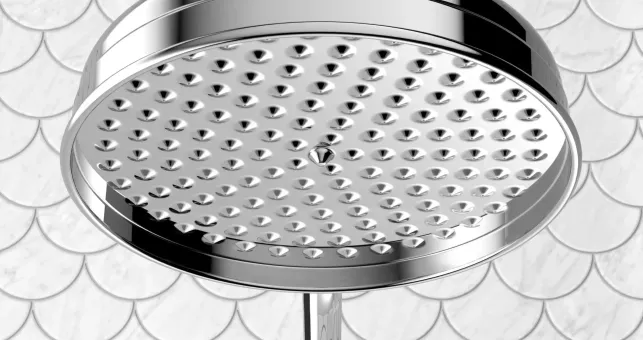
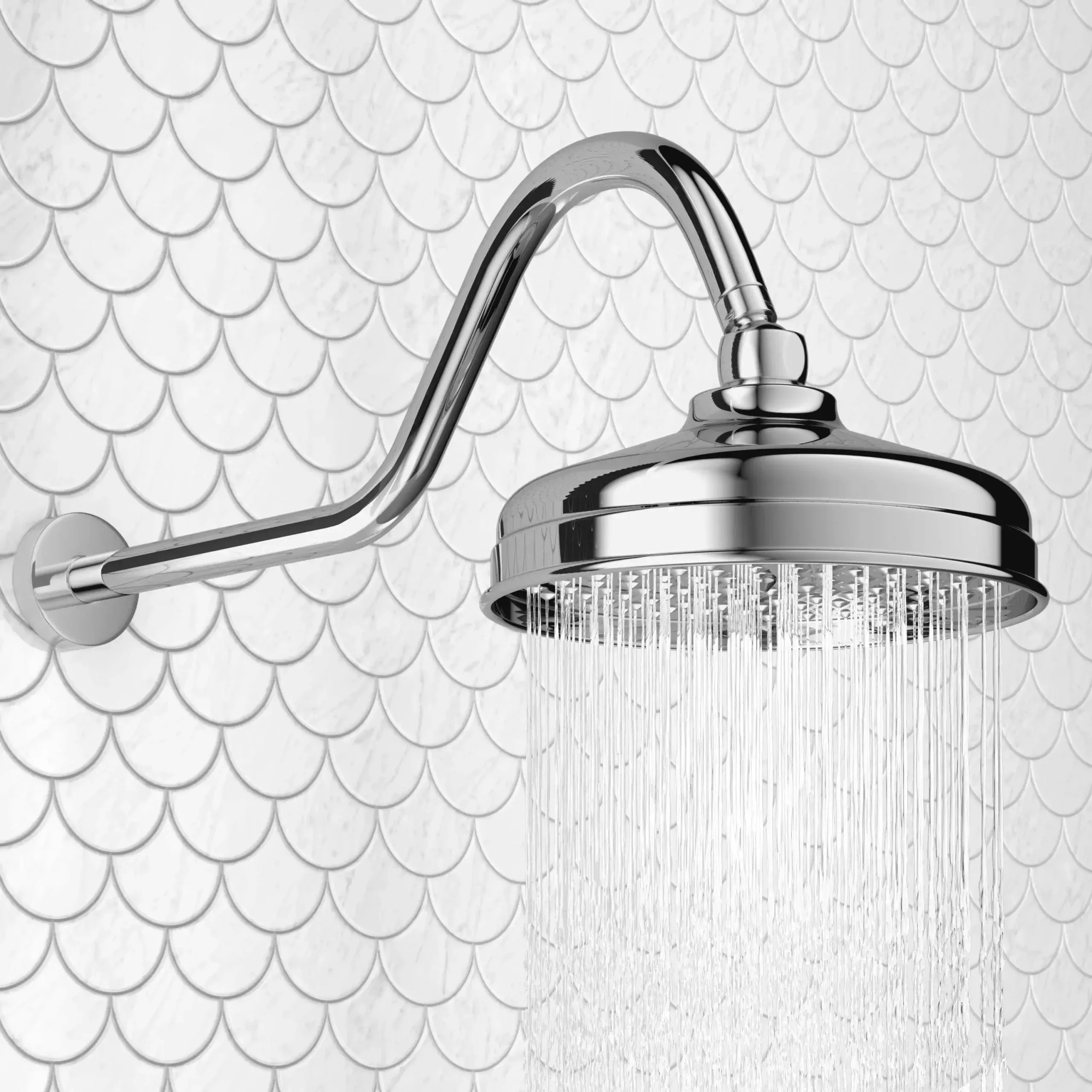
A shower head is a fixture that disperses water into a controlled spray pattern for bathing. It attaches to a flexible hose, fixed arm or riser rail and connects to a standard threaded fitting. Shower heads are available in various designs such as handheld heads, rainfall plates, multifunction spray units and fixed jets. Each design offers specific benefits for comfort, coverage and water efficiency.
Different shower heads are constructed from materials such as ABS plastic, chrome plated metal or stainless steel. Plastic models are lightweight and affordable, while metal units provide increased durability and better resistance to long term heat exposure. Understanding the material affects both longevity and maintenance requirements.
Shower heads influence the overall showering experience through spray pattern, nozzle design and flow regulation. Hard water minerals can clog nozzles over time, reducing performance and altering spray direction. Replacing the shower head provides an immediate solution to many flow related problems.
How Does a Shower Head Function?

A shower head functions by directing water through internal channels and nozzles that shape the spray pattern. Water enters through a threaded connector and flows into an internal chamber that balances pressure. The number of nozzles, their placement and their shape determine the intensity and coverage of the spray. Small precision holes create powerful jets, while wide nozzles create soft rainfall like sprays.
Many modern shower heads include flow restrictors that limit water usage. These restrictors reduce water consumption while maintaining spray comfort by controlling pressure. Aerated shower heads mix air with water to increase volume without increasing flow rate. Over time, minerals from hard water can accumulate around internal parts, reducing efficiency and causing uneven spray.
Silicone nozzles or flexible jets help prevent limescale buildup. These nozzles can be rubbed clean manually, restoring proper spray shape. Understanding how the shower head functions helps users identify issues such as pressure loss, uneven spray patterns or blockages inside the head.
Key Functional Components
- Threaded inlet connector
Ensures compatibility with most hoses and arms. Provides the primary seal point. - Internal flow chamber
Balances water before it exits the nozzles, affecting pressure and spray feel. - Spray nozzles
Shape the final water pattern. Require regular cleaning to maintain performance.
What Are the Benefits of Upgrading to a Modern Shower Head?
Upgrading to a modern shower head significantly improves comfort and water efficiency. Newer designs use advanced nozzle technology to create fuller, more consistent spray patterns. This noticeable improvement enhances shower enjoyment and provides better body coverage. Many contemporary models also offer adjustable spray modes for a more personalised experience.
Modern shower heads incorporate water saving features such as restrictors and aerators. These reduce water consumption without sacrificing satisfaction. Using less hot water also reduces energy bills, making the upgrade both environmentally friendly and cost efficient. Improved engineering also ensures better performance in homes with varying pressure levels.
Durability is another benefit of upgrading. Newer shower heads use high quality materials that resist corrosion, limescale buildup and cracking. Many include silicone nozzle technology that allows quick cleaning and reduces long term maintenance needs. A modern shower head provides practical, aesthetic and efficiency improvements that older heads cannot match.
- Improved spray performance and coverage
Enhanced nozzle design delivers a more satisfying shower. - Water and energy savings
Modern efficiency features reduce consumption and lower costs. - Better durability and easier cleaning
Quality materials extend lifespan and reduce maintenance.
How to Choose the Right Shower Head for Your Water System

Choosing the correct shower head begins by identifying the type of water system in the home. Combi boilers produce high pressure, making them compatible with most shower head types. Gravity fed systems require low pressure or specially designed heads to ensure adequate spray strength. Pressurised and pumped systems support large rainfall heads and multifunction units.
Spray pattern selection also matters. People who prefer strong invigorating showers should choose concentrated jet style heads. Those who prefer softer rainfall patterns should select wide face plate designs. Multifunction shower heads offer several spray modes which allow versatility for different users.
Material choice affects performance and longevity. Chrome plated metal lasts longer in hard water conditions, while ABS plastic is lightweight and affordable. Considering user preference, system pressure and durability ensures that the new shower head performs well and suits the home’s needs.
Selection Considerations
- Match head type to the water system
Ensures proper pressure and spray performance. - Choose preferred spray pattern characteristics
Determines comfort and user satisfaction. - Consider durability and maintenance needs
Metal heads resist corrosion and last longer.
What Tools and Materials Do You Need to Change a Shower Head?
Replacing a shower head requires a few essential tools. An adjustable spanner or strap wrench helps loosen stuck fittings without damaging the surface. A soft cloth protects chrome finishes while tightening connections. PTFE tape may be necessary depending on whether the new head uses a washer or requires thread sealing.
Understanding the correct sealing method is important. Some shower heads include built in washers that create the seal when tightened. Others require PTFE tape because they have no washer. Using the wrong sealing method causes leaks or prevents the head from seating correctly. Preparing all materials before removing the old head ensures a smooth installation process.
In some cases, additional items may be necessary. Replacing a fixed shower arm requires thread sealant and a pipe wrench. Removing heavy scale buildup may require descaling solution. Ensuring all tools and materials are ready avoids delays during installation.
Essential Tools and Materials
- Adjustable spanner or strap wrench
Provides leverage for tightening and loosening. - PTFE tape or sealant
Prevents leaks on required threaded fittings. - Replacement head with washer
Ensures secure sealing under pressure.
How Should You Prepare the Shower Area Before Replacing a Shower Head?
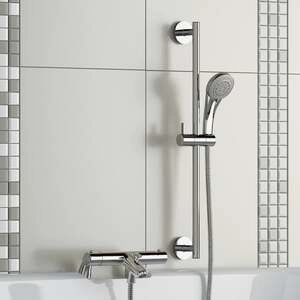
Preparation ensures the installation proceeds smoothly and safely. Start by turning the shower valve off completely. This prevents water from spraying during removal. While isolating the main water supply is not required, confirming the valve is off avoids unexpected water flow.
Inspect the existing shower head and hose for damage such as cracks, scale buildup or corrosion. Removing scale before attempting removal helps prevent thread damage. If the fitting is heavily scaled, applying a descaling solution softens deposits and makes removal easier.
Protect nearby tiles, taps and the shower tray with a towel or cloth. This prevents accidental scratches or damage if tools slip. Creating a clean and dry workspace ensures safe handling of tools and reduces the risk of slipping or dropping components.
Preparation Checklist
- Turn off the shower valve fully
Prevents accidental water discharge. - Inspect for wear or scale buildup
Identifies additional components needing replacement. - Protect surrounding surfaces
Prevents scratches and impact damage.
How to Remove an Old Shower Head
To remove the old shower head, begin by attempting to unscrew it by hand. Many heads loosen easily. If stuck due to mineral deposits, use a strap wrench or adjustable pliers. A strap wrench is preferred because it grips without scratching chrome surfaces. Apply steady pressure while supporting the hose or arm to avoid twisting pipework.
Once removed, inspect the fitting for leftover washers or debris. A stuck washer prevents the new head from sealing properly. Clean the exposed threads with a cloth and descaling solution if mineral buildup is present. Cleaning ensures the new head attaches smoothly and seals correctly.
If the shower head is connected to a flexible hose, inspect the hose for damage. Older hoses may have cracks or blockages that restrict flow. Replacing the hose improves performance and reduces risk of leaks. If attached to a fixed arm, ensure the arm remains stable and does not rotate during removal.
Steps:
- Loosen by hand or strap wrench
Prevents damage to fixtures. - Inspect for old washers
Ensures proper sealing during installation. - Clean threads thoroughly
Removes debris and improves fit.
How to Install a New Shower Head
Begin installation by preparing the threads. If PTFE tape is required, wrap it clockwise around the connector eight to twelve times. This ensures a tight seal. If the new head uses a washer only, PTFE tape is unnecessary and may interfere with seating. Understanding the correct sealing method prevents leaks.
Screw the new shower head onto the connector by hand. Hand tightening is generally sufficient because overtightening can crack plastic fittings or damage washers. Once tightened, turn on the shower briefly and check for leaks. If drips appear, remove the head, add more PTFE tape or adjust washer placement and reinstall.
Adjust the shower head angle on the riser rail or fixed arm. Multi spray models should be tested in all modes to confirm consistent function. Proper installation enhances water coverage and improves the showering experience significantly.
Installation Steps
- Apply PTFE tape if required
Ensures a reliable seal. - Tighten by hand
Prevents cracking and over compression. - Test for leaks and adjust
Confirms correct installation.
How to Improve Water Pressure When Installing a New Shower Head

Improving water pressure is often a priority during shower head replacement. Low pressure reduces spray strength and affects comfort. Identifying the type of water system helps determine possible improvements. Gravity fed systems naturally produce lower pressure and may require a booster pump or low pressure compatible shower head.
Cleaning or replacing the hose improves pressure. Old hoses may become restricted by internal scale or collapse over time. A smooth bore hose increases water flow. Removing or adjusting internal flow restrictors may also increase pressure, although this should only be done if permitted by local regulations.
Water pressure may be affected by plumbing layout. Narrow pipes, blockages or partially closed isolation valves reduce supply strength. Ensuring valves are fully open and checking for obstructions improves performance. If pressure remains inadequate, professional assessment may be necessary.
Pressure Improvement Methods
- Replace or clean the hose
Smooth bore hoses improve flow. - Check or remove flow restrictors if allowed
May improve spray performance. - Evaluate plumbing for obstructions
Ensures maximum flow to the shower head.
How Do You Test a New Shower Head After Installation?
Testing verifies that the installation is successful. Begin by turning the shower on at moderate flow. Inspect the connector for drips or leaks. Even small leaks indicate improper sealing and should be corrected immediately. Observing water behaviour early prevents long term issues.
Test spray performance by switching between low, medium and high flow rates. Ensure the spray pattern remains uniform and consistent. Multifunction shower heads should be rotated through each mode to confirm proper internal operation. Irregular spray patterns often indicate debris or misaligned components.
Simulate household water usage by flushing a toilet or running a tap. This helps determine whether the shower head performs consistently under normal conditions. Testing under load ensures that the shower head functions correctly in real world scenarios.
- Inspect for leaks
Identifies sealing issues before long term use. - Evaluate spray consistency
Confirms correct nozzle function. - Test all spray modes
Ensures internal mechanics work properly.
How to Clean and Maintain a Shower Head After Installation
Regular cleaning keeps the shower head functioning efficiently. Mineral deposits accumulate inside nozzles and reduce spray quality. Descaling solutions or vinegar soaks dissolve deposits and restore flow. Silicone nozzles can be rubbed clean manually to remove surface buildup.
Inspect the hose and fittings periodically. Frequent bending weakens hose connections, leading to leaks. Replacing worn hoses prevents water damage and restores pressure. Tightening connectors gently by hand ensures long term reliability.
Lubricating adjustable mechanisms maintains smooth movement. Avoid abrasive cleaners that scratch surfaces and degrade finishes. Consistent care prolongs the lifespan of the shower head and ensures optimal performance.
Maintenance Priorities
- Descale regularly
Maintains strong spray performance. - Inspect hoses and connectors
Prevents leaks and pressure loss. - Lubricate moving parts
Ensures smooth operation.
How Can You Troubleshoot Common Shower Head Problems?
Low water flow is the most common issue. Blocked nozzles or clogged restrictors reduce performance. Descaling the shower head removes deposits and restores flow. If the problem persists, the hose or arm may be obstructed.
Leaks from the connector indicate improper sealing. This typically results from incorrect washer placement or insufficient PTFE tape. Removing the head and resealing resolves most leaks. Regular checking prevents small issues from becoming serious.
Uneven spray patterns occur when debris blocks internal channels. Cleaning or replacing damaged nozzles corrects the issue. In rare cases, internal defects require replacing the head entirely.
- Clean nozzles and descale
Restores normal spray pressure. - Reseal leaking connections
Ensures watertight performance. - Check for internal blockages
Identifies deeper mechanical issues.
Why Your New Shower Head Might Not Be Working Properly

A newly installed shower head may underperform for several reasons. Incorrect sealing is the most common issue. If a washer is misaligned or PTFE tape is applied incorrectly, leaks or reduced flow occur. Ensuring the washer sits flat and tape is applied correctly resolves the problem.
Debris inside the head or plumbing system can block channels. Manufacturing residue, packaging fragments or loosened mineral deposits may become trapped. Rinsing the head and flushing the hose clears debris and restores performance.
Pressure incompatibility also affects performance. A shower head designed for high pressure systems will not perform well on gravity fed systems. Choosing the right model ensures proper spray strength and coverage.
Common Causes of Poor Performance
- Incorrect sealing or washer placement
Leads to leaks and pressure loss. - Debris or blockages
Prevents water from flowing correctly. - Pressure system incompatibility
Causes weak or inconsistent spray.
When Should You Replace a Shower Head
Replacement becomes necessary when the shower head no longer performs well despite regular cleaning. Nozzle wear, internal corrosion or damaged restrictors cause permanent performance reduction. When spray quality declines significantly, upgrading provides immediate benefits.
Leaks at the head or hose connections may signal deterioration. While washers can be replaced, older fittings often fail to create reliable seals. Constant dripping wastes water and should be corrected by replacing the head or hose.
Upgrading also provides efficiency and comfort benefits. Modern heads use less water while improving spray quality. Improved materials and nozzle technology provide longer service life and easier maintenance.
Replacement Indicators
- Persistent performance issues
Cleaning no longer resolves the problem. - Leaks that recur
Worn fittings fail to seal properly. - Outdated design or efficiency
Modern heads provide better performance.
What Mistakes Should You Avoid When Changing a Shower Head?
Over tightening fittings is a common mistake. Excessive force can crack the connector or deform the washer. Hand tightening is usually enough to create a watertight seal. Using tools should be minimal and always cushioned with a soft cloth.
Leaving the old washer inside the connector prevents the new head from sealing properly. Double washers create gaps that cause leaks. Always inspect the connector carefully before installing the new head.
Using the wrong sealing method leads to leaks. Some heads require PTFE tape while others rely solely on washers. Applying tape unnecessarily prevents proper seating. Reading instructions ensures sealing requirements are met.
Common Mistakes
- Over tightening
Damages fittings and causes leaks. - Leaving the old washer in place
Prevents correct sealing. - Incorrect sealing method
Resulting in persistent dripping.
Safety Tips When Replacing a Shower Head

Working in a wet bathroom environment requires caution. Ensure the area is dry before using tools. Good lighting improves accuracy and prevents accidents. Taking time to maintain a stable hand position reduces risk when tightening fittings.
Tools should be used carefully to avoid damaging fixtures. A slip with pliers or a wrench can scratch chrome or chip tiles. Using a cloth for grip protects both hands and finish surfaces. Avoiding excessive force reduces risk of accidental injury.
If using chemical cleaners or descalers, follow manufacturer instructions. Gloves protect skin from irritation. Adequate ventilation prevents discomfort from fumes. Keeping the shower area clean and dry after installation ensures safe use.
Safety Essentials
- Work in a dry, well lit environment
Prevents slips and improves precision. - Use tools correctly and protect surfaces
Avoids accidental damage. - Handle chemicals safely
Protects skin and respiratory health.
What Cost Factors Should You Consider When Changing a Shower Head?
Changing a shower head is usually inexpensive. Basic models cost between 10 and 25 pounds. Multifunction or rainfall heads cost between 30 and 100 pounds. Premium metal designs may be more expensive but offer improved durability and aesthetics.
Upgrading related fixtures such as hoses, riser rails or shower arms increases the total cost. A full replacement set may range between 20 and 150 pounds depending on brand and build quality. Replacing all components at once ensures consistent appearance and performance.
Unexpected costs may arise if fittings are corroded or seized. Replacing connectors or installing a new arm may require extra tools. However, these improvements enhance long term reliability and reduce future maintenance needs.
Cost Factors
- Type and material of replacement head
Influences durability and performance. - Additional components required
Affects total upgrade cost. - Condition of existing fixtures
Can add complexity to the job.
How Can You Maintain a Shower Head for the Long Term?
Long term maintenance preserves performance and extends lifespan. Regular descaling prevents mineral buildup that obstructs nozzles. Hard water areas require more frequent cleaning. Rubbing silicone nozzles by hand helps dislodge scale.
Hoses should be inspected periodically for wear. Small cracks or leaks reduce pressure and waste water. Replacing hoses as needed maintains system reliability. Checking connectors and hand tightening them occasionally prevents leaks.
Lubricating moving parts such as swivel joints or mode selectors keeps them functioning smoothly. Avoiding abrasive cleaners prevents surface scratching and damage. Consistent maintenance helps avoid premature replacement.
Maintenance Focus Areas
- Routine descaling
Ensures strong spray performance. - Inspection of hoses and connectors
Prevents leaks and pressure loss. - Lubrication of moving components
Preserves smooth operation.
Conclusion
Changing a shower head is a simple yet impactful upgrade that improves comfort, efficiency and overall shower performance. Proper preparation, correct sealing methods and thorough testing ensure a reliable and leak free installation. Understanding how shower heads function also helps users troubleshoot issues effectively and choose the right model for their home.
Routine maintenance ensures the new shower head delivers strong, consistent spray for years. Upgrading to modern designs provides enhanced performance, reduced water consumption and improved user satisfaction. Following the detailed steps in this guide ensures a safe, successful and long lasting installation.