
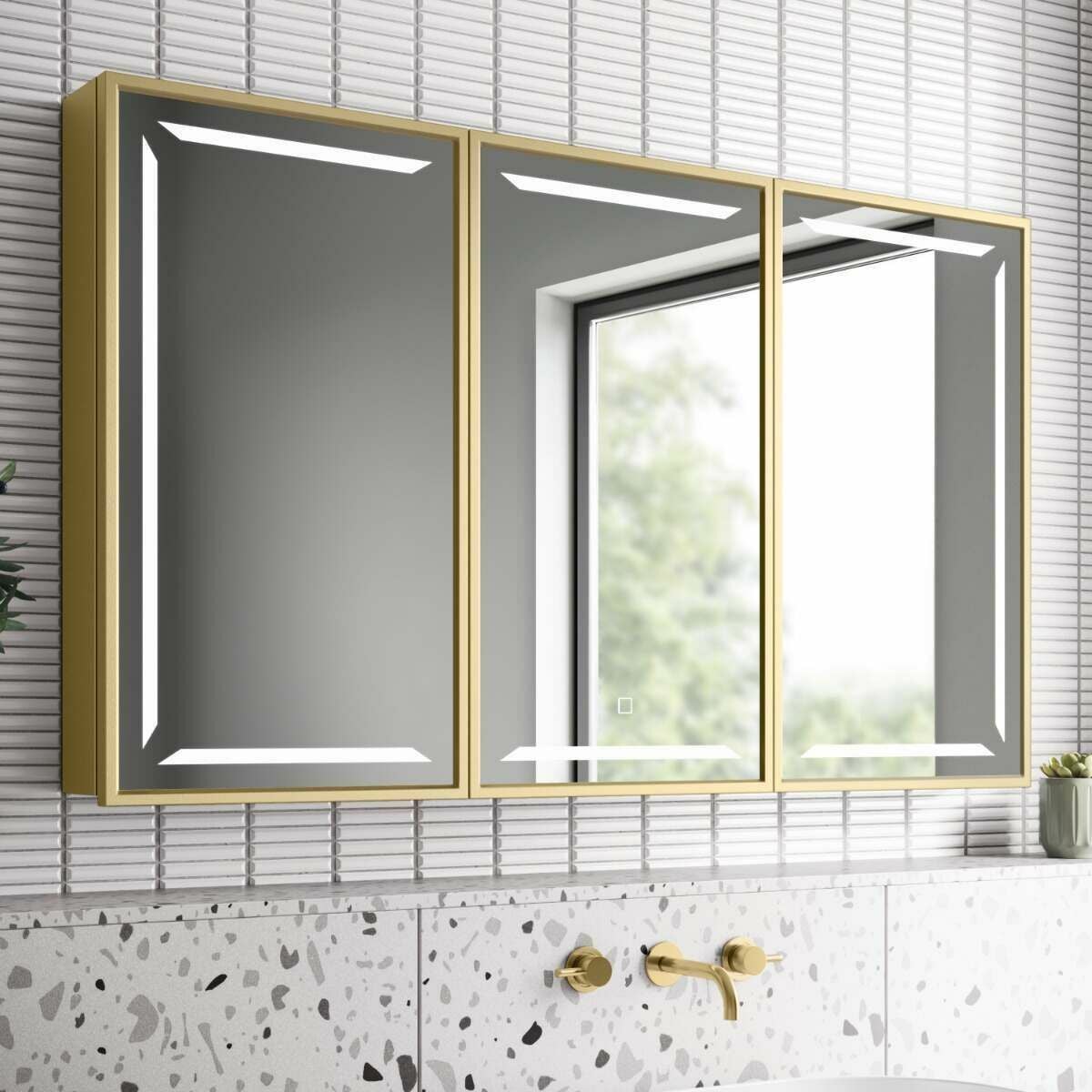
Best bathroom mirror cabinet selection depends on correct size fit, mounting type, moisture resistance, hinge and door stability, usable internal shelving, lighting and demister features, electrical safety planning, and secure wall fixing, because mirror cabinets combine grooming reflection and enclosed storage inside a high-humidity bathroom zone. Bathroom mirror cabinets reduce basin clutter, protect toiletries from splash, and improve organisation through shelf zoning at face height.
Mirror cabinets affect bathroom lighting by reflecting existing light and by adding task lighting when LED illumination is integrated, which improves facial visibility and reduces shadowing. Recessed cabinets reduce projection for tight rooms, while surface-mounted cabinets simplify installation and increase storage volume, so wall type and available cavity depth control are feasible.
Small bathrooms benefit from slim depth and reduced door swing conflicts. Accessible bathrooms benefit from safe reach height, easy-grip operation, and soft-close hinges. Wet rooms benefit from sealed carcass materials, corrosion-resistant hardware, and anti-fog demister pads. Long-term quality depends on avoiding swelling, poor edge sealing, weak hinges, mirror backing corrosion, and unstable fixings, then maintaining mirror cabinets through non-abrasive cleaning, ventilation control, hinge checks, and safe care of LED and demister components.
What Is A Bathroom Mirror Cabinet?

A bathroom mirror cabinet is a wall-mounted storage unit with mirrored doors that provides grooming reflection and enclosed bathroom storage in one fixture, and bathroom mirror cabinet performance depends on moisture resistance, door and hinge quality, internal storage layout, installation height, and lighting integration. Bathroom mirror cabinets reduce countertop clutter by moving toiletries into enclosed shelves. Mirror cabinet placement improves daily routines by positioning storage at face height. Mirror cabinet material choice affects swelling risk in humid bathrooms.
- Dual Function Storage: Dual function storage combines mirror use and closed storage in the same wall zone. Storage capacity reduces sink clutter and improves hygiene appearance.
- Wall Mounted Format: Wall mounted format keeps floor space clear and suits small bathrooms and cloakrooms. Height positioning must align with the user eye level and tap splash zone.
- Moisture Resistant Build: Moisture resistant build uses sealed edges and water-resistant board to reduce swelling and delamination. Humidity exposure increases during showers and baths.
- Mirrored Door Types: Mirrored door types include single door, double door, and triple door cabinets. Door count affects access width and hinge loading. Larger doors require stronger hinges to prevent sagging.
- Internal Shelf Layout: Internal shelf layout controls usable storage volume and daily access speed. Adjustable shelves fit taller bottles and grooming tools. Fixed shelves suit smaller items but limit flexibility.
- Lighting Integration: Lighting integration includes LED side strips, top lights, or internal illumination depending on cabinet type. Integrated lighting supports shaving and makeup routines. Lighting choice must suit bathroom electrical safety zones.
What Are The Different Types Of Bathroom Mirror Cabinets Available In The UK?
Bathroom mirror cabinet types in the UK vary mainly by power type, mounting style, cabinet shape, and storage format, because mirror cabinet performance depends on lighting integration, moisture resistance, and usable internal space. Non-illuminated stainless steel cabinets suit simple upgrades with durable carcass materials. Mains-powered illuminated cabinets suit grooming precision through consistent face lighting. Battery powered led mirrors and cabinets suit bathrooms where wiring changes are not desired. Bathroom Mountain offers a variety of bathroom mirror cabinets.
Elena Stainless Steel Mirror Cabinet 600x600mm

Elena stainless steel mirror cabinet 600x600mm is accessible with standard basins where simple, durable storage is the priority. Stainless steel carcass supports moisture resistance in daily shower environments. Double-door format reduces swing width and improves shared access. Internal shelving supports daily toiletries and grooming tools.
Elena Stainless Steel Mirror Cabinet 700x500mm

Elena stainless steel mirror cabinet 700x500mm suits wider basin zones needing a landscape cabinet footprint. Wider format improves reflection coverage for grooming routines. The stainless steel body supports long-term rigidity and stable door alignment. Wall-hung installation keeps floor space clear and improves cleaning access around the basin.
Elena Stainless Steel Mirror Cabinet 650x1200mm

Elena stainless steel mirror cabinet 650x1200mm suits larger bathrooms needing higher storage volume without adding floor furniture. Taller height improves shelf zoning for household categories such as oral care, skincare, and hair. Multi-shelf layout reduces countertop clutter and improves routine speed. Large mirrored doors increase perceived brightness through light reflection.
Elena Tall Stainless Steel Mirror Cabinet 1200x300mm

Elena tall stainless steel mirror cabinet 1200x300mm is accessible with narrow wall gaps and vertical storage planning. Slim width supports compact bathrooms and tight ensuite layouts. Tall format increases storage capacity for bottles and taller grooming items. Stainless steel carcass supports moisture resistance and stable door operation.
Emielia Illuminated LED Mirror Cabinet 600x600mm

Emielia illuminated LED mirror cabinet 600x600mm suits bathrooms needing integrated vanity lighting for shaving and skincare. Illuminated mirror cabinet format combines reflection, lighting, and enclosed storage in one wall zone. LED lighting improves face visibility and reduces shadows from ceiling-only lighting. Internal shelving supports daily essentials without surface clutter.
Emielia Illuminated LED Mirror Cabinet 600x1000mm

Emielia illuminated LED mirror cabinet 600x1000mm used for wider vanity runs needing broader mirror coverage and stronger task lighting. Wider illuminated format improves shared bathroom usability by increasing reflection space. Storage depth and shelf zoning reduce basin-top clutter. Lighted cabinet design supports consistent grooming visibility at the basin.
Emielia Battery Operated Illuminated LED Mirror Cabinet 600x600mm

Emielia battery operated illuminated LED mirror cabinet 600x600mm used for bathrooms where a lit mirror cabinet is desired without mains wiring changes. Battery lighting supports basic grooming illumination and improves usability in low-light rooms. The wall-mounted format keeps circulation space clear. Enclosed shelves protect toiletries from splash and dust.
Emielia Battery Operated Illuminated LED Mirror Cabinet 700x500mm

Emielia battery operated illuminated LED mirror cabinet 700x500mm suits bathrooms needing a wider cabinet footprint with simpler power planning. Landscape format improves reflection comfort across the basin zone. Battery illumination supports routine grooming tasks without hardwired installation. Storage layout reduces countertop item load and improves cleaning speed.
Emielia Battery Operated Illuminated LED Cloakroom Mirror Cabinet 600x450mm

Emielia battery operated illuminated LED cloakroom mirror cabinet 600x450mm suits small bathrooms and cloakrooms with limited wall height and width. Compact cabinet dimensions protect door clearance and circulation space. Battery illumination improves mirror usability in compact rooms with limited ceiling lighting. Storage shelves keep essentials organised without adding floor units.
Emielia Battery Operated Illuminated LED Mirror Cabinet 600x800mm

Emielia battery operated illuminated LED mirror cabinet 600x800mm suits bathrooms needing extra vertical mirror height and additional shelf volume. Taller format improves reflection coverage for multi-user households. Battery illumination supports grooming visibility without wiring disruption. Increased cabinet height improves organisation through more usable shelf spacing.
What Functions Does Bathroom Mirror Cabinet Serve?
A bathroom mirror cabinet serves reflection, storage, organisation, space efficiency, moisture protection for toiletries, and optional lighting and electrical convenience, and these functions improve bathroom usability by reducing clutter and keeping daily-use items accessible at face height. Mirror cabinet storage replaces countertop storage and improves cleaning speed around basins. Mirrored doors increase light reflection and improve perceived room brightness.
- Grooming Reflection: Grooming reflection supports shaving, skincare, and contact lens routines at the basin. Mirrored door alignment controls facial visibility. Larger mirror width improves shoulder and head visibility.
- Hidden Storage: Hidden storage keeps toiletries out of sight to reduce visual clutter. Enclosed shelves support a tidy bathroom appearance. Storage prevents bottles and tools from collecting dust and splash residue.
- Space Saving: Space saving improves in small bathrooms because wall storage reduces the need for floor cabinets. Wall-mounted cabinets protect circulation space. Compact cabinets suit cloakrooms with narrow basins.
- Moisture Protection: Moisture protection keeps daily items away from direct splash and reduces contamination risk. Closed doors reduce water droplet contact on toothbrush heads and razors.
- Lighting Support: Lighting support improves face visibility and reduces shadowing during grooming. Integrated LED lighting can reduce reliance on ceiling downlights.
- Electrical Convenience: Electrical convenience includes shaver sockets, internal sockets, or USB charging on some mirror cabinets. Convenience reduces countertop cable clutter.
How Do You Choose The Best Bathroom Mirror Cabinet For Your Space?
Best bathroom mirror cabinet selection matches cabinet width, height, depth, door configuration, wall fixing method, moisture resistance, and lighting features to the basin zone and room layout, because mirror cabinet fit controls usability, safety, and long-term durability.
- Measure Wall Span: Measure wall span by recording basin width, side wall clearances, and obstruction positions such as windows and shelves. Cabinet width alignment with the basin improves visual balance.
- Set Cabinet Height: Set cabinet height to match the main user eye level while keeping the lower edge clear of tap splash and basin use zone. Correct height supports comfortable reflection and easy shelf access.
- Limit Cabinet Depth: Limit cabinet depth to maintain safe circulation and prevent head impact in tight bathrooms. Slim depth suits cloakrooms and narrow ensuites.
- Choose Door Count: Choose door count based on cabinet width and access preference. Single doors suit compact cabinets but create wider swing. Double doors reduce swing width and improve access on wider cabinets.
- Match Wall Type: Match wall type to fixing method because solid walls accept standard wall plugs while stud walls need reinforcement or specialist fixings. Correct fixing prevents cabinet movement and door misalignment.
- Select Lighting Features: Select lighting features based on grooming needs and existing bathroom lighting. Integrated LED improves face visibility and reduces shadows. Demister pads improve mirror clarity after showers.
How Do Recessed Vs Surface Mounted Mirror Cabinets Compare?
Recessed mirror cabinets sit inside a wall cavity and reduce projection for a built-in look, while surface-mounted mirror cabinets fix onto the wall face and simplify installation, and the best choice depends on wall construction, available cavity depth, installation effort, and desired storage volume. Recessed cabinets improve space efficiency in tight bathrooms by reducing head knock risk. Surface-mounted cabinets offer greater internal volume without cutting walls.
- Projection And Space: Projection and space differ because recessed cabinets reduce protrusion into the room. Reduced projection improves circulation near door swings and narrow basins.
- Installation Complexity: Installation complexity increases with recessed cabinets because wall opening, framing, and finishing become necessary. Hidden services such as pipes and wiring can restrict placement.
- Wall Type Limits: Wall type limits affect recessed installs because solid walls require chasing and finishing and stud walls require cavity alignment. Stud spacing can restrict cabinet width.
- Storage Capacity: Storage capacity often increases on surface-mounted cabinets because full depth is available. Recessed cabinets sacrifice depth to fit cavity limits. Adjustable shelves improve capacity in both types.
- Aesthetic Finish: Aesthetic finish differs because recessed cabinets create a flush, integrated look. Surface-mounted cabinets create a defined box profile that can suit modern styling.
- Service Access: Service access impacts both types because shelves and hinges need occasional adjustment and replacement. Surface-mounted cabinets allow easier removal and replacement.
- Cost And Disruption: Cost and disruption often rise with recessed cabinets due to wall work, finishing, and tiling touch-ups. Surface-mounted cabinets usually cost less to install because labour is simpler.
What Are The Best Bathroom Mirror Cabinets For Small Bathrooms?

Best bathroom mirror cabinets for small bathrooms use slim depth, compact width, efficient internal shelving, and space-saving door action to add storage without reducing circulation space or causing head knocks. Small bathroom mirror cabinet choice starts with measuring basin width and door swing clearance. Slim cabinets reduce projection and improve safety near walkways. Recessed cabinets maximise space when wall cavity depth allows.
- Slim Depth Design: Slim depth design reduces protrusion and lowers head impact risk near basins. Reduced depth suits narrow cloakrooms and tight ensuites.
- Compact Width Fit: Compact width fit matches smaller basins and short wall spans. Width matching keeps the room visually balanced.
- Recessed Cabinet Option: Recessed cabinet option saves space by placing the cabinet body inside the wall cavity. Reduced projection improves door clearance and walkway comfort. Recessed installs require safe cavity checks for pipes and wiring.
- Double Door Access: Double door access reduces swing width per door compared to single door cabinets. Reduced swing prevents door clashes with side walls.
- Internal Shelf Efficiency: Internal shelf efficiency improves storage capacity within a small cabinet footprint. Adjustable shelves allow tall and short items to fit without wasted vertical space.
- Integrated Lighting: Integrated lighting improves face visibility and reduces shadows in small bathrooms with limited ceiling lighting. LED lighting supports shaving and skincare routines.
What Size Bathroom Mirror Cabinet Should You Choose?
Bathroom mirror cabinet size should match basin width, wall span, user height, and available depth clearance, because correct size selection controls reflection comfort, storage capacity, door clearance, and long-term installation stability. Cabinet width should align with the basin zone for balanced appearance and usable reach. Cabinet height should match the main user eye level while staying clear of tap splash and basin use.
- Width To Basin Match: Width to basin match keeps the cabinet centred and practical for daily grooming. Similar width reduces visual imbalance and improves reflection coverage.
- Height To Eye Level: Height to eye level places the mirror centre near the primary user eye line. Correct height improves shaving and skincare accuracy. Height must leave clearance above the tap and below overhead lights or shelves.
- Depth Clearance Rule: Depth clearance rule protects circulation because cabinet projection affects head and shoulder movement near the basin. Slim depth suits narrow rooms and cloakrooms.
- Door Swing Clearance: Door swing clearance determines whether single, double, or triple doors suit the space. Single doors need more side clearance during opening.
- Wall Space Limits: Wall space limits include windows, tall units, towel rails, and lighting positions. Obstructions can reduce usable width. Accurate measuring prevents cabinet corners colliding with wall features.
- Storage Volume Need: Storage volume need defines size because taller and deeper cabinets store larger bottles and grooming tools. Small households can use slim cabinets with fewer shelves.
How Do Single Door Vs Double Door Mirror Cabinets Differ?
Single-door mirror cabinets provide simple access with one wide opening, while double-door mirror cabinets split access into two narrower doors that reduce swing clearance needs and improve shared use, and the best choice depends on cabinet width, side clearance, hinge quality, and storage organisation preference. Single doors suit narrow cabinets and small wall spans. Double doors suit wider cabinets and reduce door collision risk in tight spaces.
- Door Swing Space: Door swing space is larger per door on single-door cabinets, so side clearance must be available. Single doors can clash with side walls and tall units in tight bathrooms.
- Access Convenience: Access convenience differs because single doors open the full cabinet in one motion. Full opening suits quick reach for daily items. Double doors allow partial opening to access one side while keeping the other side closed.
- Shared Bathroom Use: Shared bathroom use improves with double doors because two users can access different sides without blocking each other. Split storage zones reduce product mixing.
- Hinge Load And Alignment: Hinge load and alignment differ because a single wide door carries more weight on fewer hinges. Heavy doors require strong hinges to prevent sag.
- Internal Storage Layout: Internal storage layout differs because double-door cabinets often divide shelves into left and right zones. Divided zones improve organisation and reduce clutter mixing.
- Mirror Coverage: Mirror coverage differs because double doors can create a central seam that slightly interrupts reflection. Single doors provide an uninterrupted mirror surface.
What Are The Best Illuminated Bathroom Mirror Cabinets With LED Lighting?

Best illuminated bathroom mirror cabinets combine even LED face lighting, moisture-safe electrical design, clear mirror reflection, practical storage, and reliable door hardware, because LED placement and cabinet build quality control daily grooming visibility and long-term durability. LED mirror cabinets work best when light output reduces facial shadows rather than creating glare. Diffused LED strips at the sides or perimeter usually give the most balanced lighting.
Side Lit LEDs
Side lit LEDs improve facial visibility by reducing under-eye and chin shadows. Vertical light placement keeps brightness consistent from forehead to jawline. Side lighting suits shaving, skincare, and makeup routines. Even diffusion reduces harsh glare on glossy tiles.
Perimeter Diffusion
Perimeter diffusion spreads light around the mirror edge for uniform brightness. Uniform brightness improves grooming accuracy and reduces dark corners on the mirror. Diffused covers reduce visible LED dots and improve visual quality. Perimeter designs suit modern bathroom aesthetics.
Demister Pad
Demister pad function keeps the mirror clear after showers by warming the mirror surface. Clear reflection reduces repeated wiping and reduces streak marks. Demister performance matters most in small bathrooms with high humidity. Demister integration should sit behind the main viewing zone.
Sensor Operation
Sensor operation improves usability by enabling touch-free switching with wet hands. Motion or touch sensors reduce smudging on mirror surfaces. Sensor placement must avoid accidental activation near towels or doors. Stable sensor control improves daily convenience.
Colour Temperature
Colour temperature affects skin tone accuracy and shadow perception during grooming. Neutral white lighting usually produces balanced face visibility. Warm lighting can soften appearance but reduce precision for makeup matching. Cool lighting can feel harsh and highlight texture. Consistent lighting across the bathroom improves comfort.
IP Rated Safety
IP rated safety protects electrical components in humid bathroom conditions. Proper sealing reduces corrosion risk and reduces electrical failure risk over time. Correct zone placement keeps the cabinet compliant with safe installation requirements. Professional wiring supports long-term reliability.
Storage And Access
Storage and access quality depends on shelf adjustability, internal height, and door opening clearance. Adjustable shelves fit tall bottles, toothbrush chargers, and grooming tools. Internal layout works best when daily items sit at mid-shelf height. Door swing planning prevents collisions with side walls and tall units.
What Are The Best Anti Fog Mirror Cabinets For Moisture Prone Bathrooms?
Best anti-fog mirror cabinets use an integrated demister pad behind the main mirror viewing zone, sealed moisture-resistant cabinet construction, corrosion-resistant hinges, and safe electrical integration, because anti-fog performance depends on mirror surface warming and cabinet durability under high humidity. Anti-fog cabinets reduce wiping and streaking after showers. Demister coverage must sit behind the central face viewing area for practical use.
- Central Demister Pad: Central demister pad warms the mirror surface and prevents condensation in the main viewing area. Central coverage improves shaving and skincare routines immediately after showers.
- Moisture Sealed Edges: Moisture sealed edges protect cabinet panels from swelling and delamination. Sealed edges prevent water ingress into board cores. Better sealing preserves door alignment and hinge stability.
- Corrosion Resistant Hinges: Corrosion resistant hinges reduce rust, stiffness, and hinge sag under repeated humidity exposure. Stable hinges keep mirrored doors aligned and reduce gaps.
- Ventilation Pairing: Ventilation pairing improves anti-fog results by reducing humidity accumulation during showers. Extractor fans lower steam load faster than passive ventilation.
- Sensor And Timer: Sensor and timer control reduces unnecessary demister run time and improves convenience with wet hands. Timers shut off heating after the useful window. Sensor switching reduces smudges on the mirror surface.
- Electrical Zone Safety: Electrical zone safety ensures demister and lighting features remain suitable for bathroom installation zones. Correct sealing reduces moisture ingress into electrical parts.
What Are The Best Mirrored Medicine Cabinets?

Best mirrored medicine cabinets combine a clear mirror door, moisture-resistant carcass materials, secure wall fixing, safe door operation, and an internal layout that fits daily medicines and first-aid items without clutter. Medicine cabinet value depends on organised storage, not only mirror size. Adjustable shelves improve fit for bottles and blister packs.
- Moisture Resistant Build: Moisture resistant build protects cabinet panels from swelling and delamination in humid bathrooms. Sealed edges reduce water ingress at corners.
- Secure Wall Fixing: Secure wall fixing prevents cabinet movement and hinges stress during repeated opening. Correct fixings depend on solid walls versus stud walls. Reinforced mounting improves stability for heavier mirrored doors.
- Adjustable Shelving: Adjustable shelving improves storage efficiency for varied item heights, including pumps, tubes, and medicine bottles. Shelf repositioning reduces wasted vertical space. Better spacing prevents tipping and spillage.
- Recessed Vs Surface: Recessed vs surface choice controls projection and capacity. Recessed cabinets reduce head knock risk and suit narrow bathrooms. Surface-mounted cabinets offer greater depth for bulky items.
- Soft Close Hinges: Soft close hinges reduce impact noise and protect hinge plates from repeated stress. Damped closing improves daily comfort in ensuites. Strong hinge plates reduce wobble and sag.
- Lockable Storage: Lockable storage improves safety by limiting access to medicines in family bathrooms. Lock mechanisms must remain corrosion-resistant in humidity.
What Are The Best Bathroom Mirror Cabinets For Accessibility?
Best bathroom mirror cabinets for accessibility use safe reach height, easy-grip door operation, soft-close hinges, clear reflection coverage, shallow depth for head safety, and stable wall fixing, because accessible bathroom use depends on reach comfort, safe movement space, and predictable daily operation. Accessible placement aligns the mirror centre to seated and standing eye levels when possible. Wide mirrors improve visibility without leaning forward.
- Reach Height Setting: Reach height setting places shelves and mirror centre within comfortable reach for the primary user. Lower mounting improves seated access. Excess height forces stretching and reduces safety.
- Shallow Depth Profile: Shallow depth profile reduces protrusion and head impact risk during basin use. Slim cabinets support wheelchair access and tight turning spaces. Reduced projection improves circulation near door swings.
- Easy Grip Doors: Easy grip doors use recessed pulls or large handles that support reduced dexterity. Small knobs reduce grip reliability. Smooth door action reduces strain.
- Soft Close Hinges: Soft close hinges reduce sudden door movement and reduce pinch risk. Damped closure reduces noise and reduces impact wear. Stable hinges maintain door alignment for easier one-hand operation.
- Wide Mirror Coverage: Wide mirror coverage improves visibility without requiring repositioning. Wider mirrors support seated use and standing use across different heights.
- Internal Shelf Access: Internal shelf access improves when shelves sit at reachable heights and shelf spacing fits daily essentials. Adjustable shelves allow personalisation for users to reach limits.
- Integrated Lighting: Integrated lighting improves face visibility and reduces shadowing, which supports low vision and safer grooming. Even LED diffusion reduces glare.
What Are The Best Bathroom Mirror Cabinets For Wet Rooms?
Best bathroom mirror cabinets for wet rooms use high moisture resistance, sealed edges, corrosion-resistant hinges, safe electrical design for humid zones, and anti-fog features, because wet rooms maintain higher humidity exposure and higher splash risk across wall surfaces. Wet room placement must avoid direct shower spray where possible. Recessed mounting reduces projection and reduces water impact zones.
- Sealed Carcass Build: Sealed carcass build reduces water ingress into cabinet boards and prevents swelling. Edge sealing protects corners and hinge zones.
- Corrosion Resistant Hardware: Corrosion resistant hardware protects hinges, screws, and shelf supports from rust under constant humidity. Rust causes stiffness and misalignment. Stable hardware prevents door sag and hinge noise.
- Demister Mirror Pad: Demister mirror pad keeps the mirror clear when steam exposure remains high. Clear reflection reduces wiping and reduces streak marks.
- Recessed Installation Option: Recessed installation option reduces projection and reduces splash exposure on cabinet edges. Reduced projection improves circulation and head safety.
- Safe Electrical Features: Safe electrical features include correctly rated LED lighting and protected wiring routes. Wet room environments require careful zone planning. Incorrect placement increases failure risk.
- Easy Clean Surfaces: Easy clean surfaces reduce soap film buildup on mirrors and cabinet edges. Smooth coatings wipe clean quickly. Reduced texture reduces mould anchor points.
How Much Does Mirror Cabinet Installation Cost In The UK?

Bathroom mirror cabinet installation in the UK usually costs £60–£200 for a straightforward surface-mounted fit, and £200–£600+ for a recessed fit because recessed fitting adds wall cutting, framing, and making-good work. Costs rise when the cabinet is heavy, walls are tiled, stud walls need reinforcement, or electrics are involved.
- Surface Mounted Fit: Surface-mounted fitting usually lands at £60–£200 because the job is mainly measuring, drilling, fixing, levelling, and final alignment. Labour time often sits around 1–3 hours when wall access is simple. Handyperson hourly pricing commonly sits around £30–£70+.
- Recessed Cabinet Fit: Recessed fitting usually lands at £200–£600+ because wall opening, framing, and finishing are added to the install scope. Labour time often sits around 3–6 hours, and tiled walls increase cutting and making-good complexity.
- Illuminated Cabinet Wiring: Illuminated cabinet wiring commonly adds £80–£250 because electrical isolation, safe routing, connection, and testing are required. Total cost rises when a new feed, new switch position, or additional protection work is needed.
- Tiled Wall Complexity: Tiled wall complexity increases cost because tile drilling and clean finishing take longer and carry breakage risk. Hard tiles and large-format tiles increase time per fixing point.
- Stud Wall Reinforcement: Stud wall reinforcement increases cost when the cabinet needs solid backing to prevent movement and hinge stress. Reinforcement work can push a simple fit into a half-day job.
- Regional Labour Rate Effect: Regional labour rate effect changes totals because day rates and hourly rates vary by location. Pricing tends to sit higher in large cities and lower in many northern regions.
How Do Bathroom Mirror Cabinets Affect Bathroom Lighting?
Bathroom mirror cabinets affect bathroom lighting by reflecting existing light, changing shadow patterns around the face, and adding task lighting when integrated LEDs are included, which alters grooming visibility and overall perceived brightness. Mirrored doors increase light bounce and can make small bathrooms feel brighter. Cabinet depth and door seams can block side light and create shadows. Integrated LED strips improve face lighting by reducing under-eye and chin shadows.
- Light Reflection Boost: Light reflection boost occurs because the mirror surface reflects ceiling downlights and wall lights back into the room. Reflection increases perceived brightness without increasing wattage.
- Shadow Pattern Change: Shadow pattern change happens when cabinet position blocks side light or when overhead light creates downward shadows. Deep cabinets can cast shadows onto the basin zone.
- Task Lighting Benefit: Task lighting benefit appears when LED lighting is built into the cabinet frame or mirror edge. Face lighting becomes more even for shaving and skincare routines.
- Glare And Hotspots: Glare and hotspots occur when LEDs are too bright or poorly diffused. Hotspots create harsh reflections and reduce comfort. Diffusers reduce visible LED dots and soften light.
- Colour Temperature Effect: Colour temperature effect changes skin tone accuracy and the perceived warmth of the bathroom. Neutral white supports accurate grooming tasks.
- Cabinet Placement Impact: Cabinet placement impact depends on distance from ceiling lights and side lights. Centre placement above the basin improves reflection and task focus.
What Items Should You Store In Bathroom Mirror Cabinets?
Bathroom mirror cabinets should store daily-use, moisture-tolerant, hygiene-sensitive items that benefit from enclosed, splash-protected storage near the basin, because mirror cabinet storage improves organisation and reduces countertop clutter. Item selection must consider humidity, temperature changes, and child safety. Medicines requiring stable cool storage usually suit a dry cupboard rather than a steamy bathroom.
- Oral Care Items: Oral care items include toothbrushes, toothpaste, floss, mouthwash, and interdental brushes. Enclosed storage reduces splash exposure from handwashing.
- Skincare Products: Skincare products include cleansers, moisturisers, serums, sunscreen, and cotton pads. Daily use placement improves routine speed. Sealed containers tolerate bathroom humidity better than open jars.
- Shaving And Grooming: Shaving and grooming items include razors, shaving foam, trimmers, combs, and hair ties. Enclosed storage keeps blades away from splash and dust.
- Cosmetics Essentials: Cosmetics essentials include foundation, concealer, mascara, and makeup brushes when the bathroom routine includes makeup.
- First Aid Basics: First aid basics include plasters, antiseptic wipes, and small dressings for quick access. Sealed packs reduce moisture exposure. Items must stay organised to prevent expiry confusion.
- Contact Lens Supplies: Contact lens supplies include lens cases, solution, and eye drops. Enclosed storage reduces contamination risk from splash. Clear organisation reduces mix-ups between solutions.
How Do You Clean And Maintain Bathroom Mirror Cabinets?

Bathroom mirror cabinet maintenance requires regular non-abrasive cleaning of mirror surfaces and cabinet panels, limescale and smear control, hinge and fixing checks, moisture control through ventilation, and safe care for LED and demister components, because humidity and splash exposure cause staining, swelling, corrosion, and misalignment over time. Cleaning frequency should match bathroom use intensity and water hardness.
- Mirror Cleaning Method: Mirror cleaning method uses a microfibre cloth with a light mist of glass cleaner applied to the cloth, not directly onto electrics or edges. Direct spraying can drive liquid into seals and joints.
- Cabinet Surface Care: Cabinet surface care uses a soft cloth and mild cleaner to protect laminate, painted finishes, and edge seals. Abrasive powders scratch and dull cabinet surfaces.
- Shelf And Interior Wipe: Shelf and interior wipe prevents residue buildup from toothpaste, aerosols, and creams. Remove items and wipe shelves with a damp cloth, then dry fully. Use tray organisers to reduce spill spread.
- Hinge And Door Check: Hinge and door check prevents wobble and sag by tightening screws and confirming soft-close action. Loose hinges cause door misalignment and uneven gaps.
- Moisture And Ventilation: Moisture and ventilation control reduces condensation inside the cabinet and protects boards from swelling. Use extractor fans during showers and keep doors ajar briefly after heavy steam.
- Demister And LED Care: Demister and LED care requires keeping electrical areas dry and avoiding cleaner contact with switches and sensor zones. Clean around controls using a lightly damp cloth.
What Are Common Defects In Bathroom Mirror Cabinets?
Common bathroom mirror cabinet defects include swollen or delaminated panels, misaligned doors, weak hinges, poor mirror adhesion, inadequate moisture sealing, electrical faults in illuminated models, and unstable wall fixing, and these defects matter because they reduce safety, reduce usability, and shorten cabinet lifespan in humid bathrooms. Defect checks should happen at delivery and after first installation. Visual checks identify finish and mirror issues.
- Panel Swelling: Panel swelling appears as raised edges, bubbling laminate, or softened corners caused by moisture ingress. Swelling often starts at unsealed cut edges and hinge corners.
- Door Misalignment: Door misalignment shows as uneven gaps, doors rubbing, or doors not closing flush. Misalignment can come from twisted carcass, loose hinges, or uneven wall fixing.
- Weak Hinges: Weak hinges cause sagging doors and loose operation over time. Hinge plates can strip in low-density boards. Soft-close damping can fail early on low-quality hinges. Weak hinges reduce daily usability and increase noise.
- Mirror Defects: Mirror defects include scratches, black edge corrosion, pinholes, and distorted reflection. Edge corrosion increases in humid bathrooms when mirror backing is poor. Scratches reduce clarity and increase smear visibility.
- Poor Edge Sealing: Poor edge sealing shows as unsealed joints, rough cut edges, or water ingress points around the carcass. Poor sealing accelerates swelling and delamination. Poor sealing also increases mould risk inside corners.
- Electrical Feature Faults: Electrical feature faults include non-working LEDs, flickering light, failed sensors, and demister non-operation. Moisture ingress and poor connections cause intermittent faults. Poor cable routing creates strain and early failure.
- Unstable Wall Fixing: Unstable wall fixing shows as cabinet movement, creaking, or shifting when doors open. Incorrect plugs and screws cause loosening in tiled and stud walls. Movement increases hinge stress and causes door drift.
Summing Up
A best bathroom mirror cabinet choice comes from matching cabinet size and mounting type to the basin wall, then selecting moisture resistance and door hardware that stays stable in daily humidity. Correct width keeps the cabinet centred over the basin and improves reflection comfort. Correct height keeps the mirror usable for the main user while keeping shelves reachable. Slim depth improves safety and circulation in smaller rooms, while deeper cabinets suit larger bathrooms needing more storage.
Feature selection should follow daily use. LED illumination improves vanity lighting by reducing facial shadows, and anti-fog demister pads keep the mirror clear after showers. Battery-lit cabinets suit quick upgrades where wiring changes are not planned, while mains-powered cabinets suit higher lighting performance. Wet rooms need sealed carcass edges, corrosion-resistant hinges, and careful placement away from direct spray. Accessibility needs are met through reachable mounting height, easy-grip door operation, soft-close hinges, and stable fixings that prevent wobble.
Long-term performance depends on build quality and simple maintenance. Strong edge sealing prevents swelling and delamination. Stable hinges prevent sagging and misalignment. Mirror backing quality reduces edge corrosion risk. Secure wall fixing keeps doors aligned and safe.
