

Bathroom essentials are the complete set of fixtures, fittings, systems, accessories, and personal care items that allow a bathroom to function safely, hygienically, and reliably on a daily basis. A fully specified bathroom depends on correct sanitary fixtures, dependable water and electrical systems, adequate storage, moisture control, safety features, and organised consumables rather than individual product choices.
Functional bathrooms rely on non-negotiable fixtures such as toilets, basins, and bathing systems, supported by compliant plumbing, ventilation, and electrical fittings. Material selection and quality standards determine durability in high-moisture environments, while layout decisions and bathroom type influence scale, accessibility, and storage needs. Safety features, accessibility considerations, and water-efficient solutions reduce risk and support long-term usability. Consistent organisation, planned maintenance, and checklist-based purchasing prevent omissions, control costs, and preserve hygiene standards across everyday use.
What Are Bathroom Essentials and Why Do You Need a Checklist?
Bathroom essentials are the mandatory sanitary fixtures, water-control fittings, storage elements, and safety components required for daily bathroom operation, and a checklist is required to prevent omissions, control budgets, and maintain installation accuracy across residential bathrooms. A checklist establishes scope clarity before procurement and installation.
Bathroom essentials fall into four functional groups. The functional groups are sanitary fixtures, hygiene accessories, storage solutions, and safety fittings. Daily hygiene performance declines when one functional group is missing. Installation errors increase when components are selected without category validation and sequence control.
A checklist structures planning across space allocation, service coordination, and procurement order. Cost variance reduces when quantities and specifications are confirmed before installation. Layout conflicts reduce when fixing zones, clearance dimensions, and service access points are validated during planning rather than after installation.
Bathroom Essentials Checklist for Every Home
A bathroom essentials checklist is a complete, category-based inventory of fixed fixtures, fittings, systems, accessories, safety features, and consumables required to achieve functional completeness, hygiene continuity, and compliance in residential bathrooms. Checklist-driven planning prevents omissions, duplication, and post-installation corrections.
Sanitary Fixtures Checklist

Sanitary fixtures form the non-negotiable waste disposal system. Verify inclusion of the following items:
- Toilet pan matched to outlet type
- Cistern with flushing mechanism
- Toilet seat with hinges and fixings
- Pan connector and sealing gasket
- Soil pipe connection
- Isolation valve for servicinga
Washing Fixtures Checklist
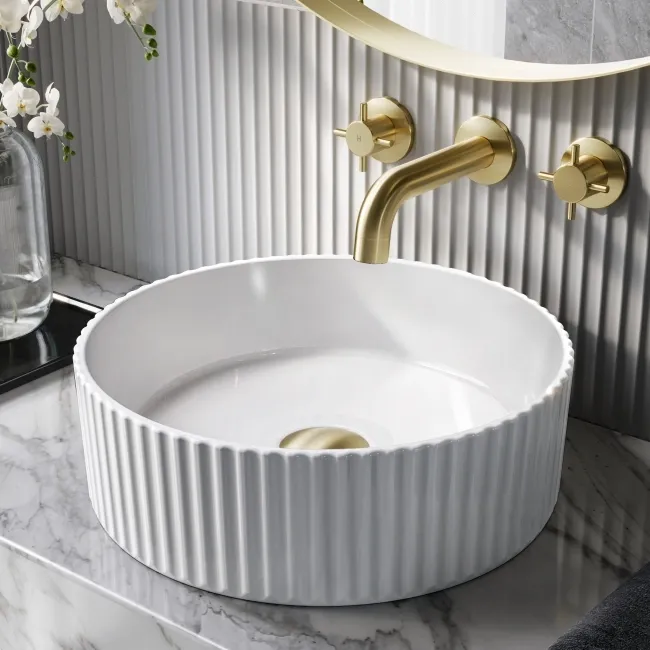
Washing fixtures support hand, face, and grooming hygiene. Confirm the following components:
- Wash basin with mounting hardware
- Basin tap or mixer tap
- Basin waste fitting and trap
- Splashback surface or tiled wall zone
- Mirror positioned at basin height
- Silicone sealant at wet junctions
Bathing Fixtures Checklist

Bathing fixtures enable full-body hygiene through controlled water delivery and drainage. Confirm the following components:
- Shower enclosure or bath unit
- Shower valve or thermostatic mixer
- Shower head and hose assembly
- Fixed arm or adjustable rail
- Shower screen, door, or curtain
- Bath waste or floor drain
- Waterproofing membrane beneath wet zones
Plumbing Systems Checklist
Plumbing systems regulate water supply, pressure, and drainage. Verify inclusion of the following:
- Hot and cold water supply lines
- Isolation valves for each fixture
- Pressure-balancing or thermostatic controls
- Pipe fittings and connectors
- Drainage pipes with correct fall
- Accessible service and inspection points
Electrical and Ventilation Checklist

Electrical and ventilation systems support safety, visibility, and moisture control. Confirm the following items:
- Bathroom-zone-rated ceiling lighting
- Task lighting at basin and mirror
- Extractor fan with ducting
- Shaver socket or low-voltage outlet
- Pull-cord or compliant wall switch
- RCD-protected electrical circuit
Storage and Furniture Checklist

Storage and furniture provide organisation and usability. Verify the following storage elements:
- Vanity unit with internal compartments
- Wall-mounted cabinet or mirrored cabinet
- Open shelving for daily-use items
- Under-basin storage clearance
- Concealed storage for cleaning products
- Internal dividers or organisers
Hygiene Accessories Checklist
Hygiene accessories support routine bathroom use and cleanliness. Confirm the following accessories:
- Soap dispenser or soap dish
- Towel rail, bar, or ring
- Toilet roll holder
- Toilet brush and holder
- Waste bin for hygiene disposal
- Cleaning product holder or caddy
Safety and Accessibility Checklist
Safety and accessibility features reduce slip, fall, and transfer risk. Verify the following elements:
- Slip-resistant flooring surface
- Grab rails at movement and transfer zones
- Adequate illumination in wet areas
- Shatter-resistant mirrors or safety glass
- Rounded-edge fittings in compact layouts
Environmental and Moisture Control Checklist
Environmental controls preserve material durability and hygiene conditions. Confirm the following components:
- Mechanical extraction fan with sufficient airflow
- Passive ventilation path or ducting
- Moisture-resistant wall and ceiling finishes
- Anti-mould grout and sealants
- Condensation-resistant paint systems
Toiletries and Personal Care Checklist
Toiletries and personal care items support daily hygiene routines. Verify availability of the following consumables:
- Soap or hand wash
- Shampoo and conditioner
- Body wash or shower gel
- Toothbrush and toothpaste
- Toilet paper with backup supply
- Facial cleansers and moisturisers
- Shaving essentials including razor and gel
- Deodorant or antiperspirant
What Are the Must-Have Bathroom Essentials for Every Home?

The must-have bathroom essentials are the complete set of fixed fittings, plumbing systems, electrical controls, hygiene accessories, storage units, safety features, environmental controls, and personal care consumables required to support daily sanitation, hygiene routines, usability, and risk compliance in residential bathrooms. Functional completeness fails when any category remains unspecified.
Sanitary Essentials for Waste Disposal
Sanitary essentials enable hygienic waste collection, flushing, and discharge through a sealed plumbing system. The required sanitary components are given below:
- Toilet pan matched to outlet configuration
- Cistern with internal flushing mechanism
- Toilet seat with hinges and fixings
- Soil pipe connection
- Pan connector and sealing gasket
- Isolation valve for maintenance access
Washing Essentials for Hand and Face Hygiene
Washing essentials support handwashing, face washing, grooming, and oral care activities. The required washing components are given below:
- Wash basin with mounting hardware
- Basin tap or mixer tap
- Basin waste fitting and trap
- Mirror aligned to basin height
- Splashback surface or tiled wall zone
- Silicone sealant at wet junctions
Bathing Essentials for Full-Body Cleaning
Bathing essentials provide controlled water delivery, containment, and drainage for showering or bathing. The required bathing components are given below:
- Shower enclosure or bath unit
- Shower valve or thermostatic mixer
- Shower head and hose assembly
- Shower rail or fixed arm
- Shower screen, door, or curtain
- Bath waste or shower drain
- Waterproofing membrane beneath wet zones
Plumbing Essentials for Water Control and Drainage
Plumbing essentials regulate water supply, pressure balance, and wastewater removal. The required plumbing components are given below:
- Hot and cold water supply lines
- Isolation valves for each fixture
- Pressure-balancing or thermostatic valves
- Pipe fittings and connectors
- Drainage pipes with correct fall
- Accessible service and inspection points
Electrical Essentials for Safe Bathroom Operation
Electrical essentials support lighting, ventilation, and powered accessories within wet-area safety limits. The required electrical components are given below:
- Bathroom-zone-rated ceiling and task lighting
- Shaver socket or low-voltage outlet
- Extractor fan electrical connection
- Pull-cord or wall-mounted switch
- RCD-protected circuit
- Moisture-resistant electrical housings
Hygiene Accessories for Routine Use
Hygiene accessories maintain cleanliness standards and usability during everyday bathroom activities. The required hygiene accessories are given below:
- Soap dispenser or soap dish
- Towel rail, towel bar, or towel ring
- Toilet roll holder
- Toilet brush and holder
- Waste bin for hygiene disposal
- Cleaning product holder or caddy
Storage Essentials for Organisation and Accessibility
Storage essentials provide structured placement for toiletries, personal items, and cleaning supplies. The required storage components are given below:
- Vanity unit with internal compartments
- Wall-mounted cabinet or mirrored cabinet
- Open shelving for frequently used items
- Under-basin storage clearance
- Concealed storage for cleaning products
- Drawer organisers or internal dividers
Safety Essentials for Risk Reduction
Safety essentials reduce slip, fall, impact, and electrical hazards in moisture-prone environments. The required safety components are given below:
- Slip-resistant flooring surface
- Grab rails in movement and transfer zones
- Adequate illumination at basin and bathing areas
- Shatter-resistant mirrors or safety glass
- Rounded-edge fittings in compact layouts
Environmental and Moisture Control Essentials
Environmental control essentials manage humidity, airflow, and material durability. The required environmental components are given below:
- Mechanical extraction fan with sufficient airflow
- Passive ventilation path or ducting
- Moisture-resistant wall and ceiling finishes
- Anti-mould grout and sealants
- Condensation-resistant paint systems
Toiletries and Personal Care Essentials
Toiletries and personal care essentials are the daily-use consumables required for body cleansing, oral hygiene, skin care, hair care, shaving, odour control, and toilet hygiene. The required consumables are given below:
- Soap or hand wash
- Shampoo and conditioner
- Body wash or shower gel
- Toothbrush and toothpaste
- Toilet paper with multi-roll continuity
- Facial cleansers and moisturisers
- Shaving essentials including razor and shaving gel
- Deodorant or antiperspirant
What Bathroom Fixtures and Fittings Are Non-Negotiable?
Non-negotiable bathroom fixtures and fittings are the permanently installed sanitary, water-delivery, drainage, and control components required for lawful operation, daily hygiene performance, and safety compliance in residential bathrooms. Functional failure occurs when one fixed component remains absent or incorrectly specified.
Toilet Fixtures and Fittings
Toilet fixtures and fittings form the core sanitation system for waste disposal and flushing. The non-negotiable toilet components are given below:
- Toilet pan matched to outlet type
- Cistern with flushing mechanism
- Toilet seat with hinges and fixings
- Pan connector and sealing gasket
- Soil pipe connection
- Isolation valve for servicing
Basin Fixtures and Fittings
Basin fixtures and fittings enable handwashing, face washing, and grooming activities. The non-negotiable basin components are given below:
- Wash basin with mounting brackets
- Basin tap or mixer tap
- Basin waste fitting and trap
- Hot and cold water feed connections
- Splashback surface or tiled wall zone
Shower and Bath Fixtures and Fittings

Shower and bath fixtures and fittings provide controlled water delivery and containment for full-body hygiene. The non-negotiable shower and bath components are given below:
- Shower enclosure or bath unit
- Shower valve or thermostatic mixer
- Shower head and hose assembly
- Fixed arm or adjustable rail
- Shower screen, door, or curtain
- Bath waste or floor drain
Plumbing Fixtures and Control Fittings
Plumbing fixtures and control fittings regulate water flow, pressure balance, and drainage integrity. The non-negotiable plumbing components are given below:
- Hot and cold water supply lines
- Isolation valves for each fixture
- Pressure-balancing or thermostatic controls
- Pipe connectors and fittings
- Drainage pipes with correct fall
- Accessible maintenance points
Electrical Fixtures and Fittings
Electrical fixtures and fittings support lighting, ventilation, and powered accessories within bathroom safety zones. The non-negotiable electrical components are given below:
- Bathroom-zone-rated lighting fittings
- Extractor fan with electrical connection
- Shaver socket or low-voltage outlet
- Pull-cord or wall-mounted switch
- RCD-protected electrical circuit
Safety and Compliance Fittings
Safety and compliance fittings reduce physical and electrical hazards in wet environments. The non-negotiable safety components are given below:
- Slip-resistant flooring finish
- Grab rails in high-risk zones
- Shatter-resistant mirrors or safety glass
- Adequate task and ambient lighting
- Moisture-rated electrical housings
How Do You Choose Bathroom Essentials for Different Bathroom Types?
Bathroom essentials are chosen based on bathroom type by matching fixture scale, usage frequency, space constraints, and compliance requirements to the functional role of the bathroom within the home. Selection accuracy declines when essentials are chosen without reference to bathroom type and usage intensity.
Essentials for Main Family Bathrooms
Main family bathroom essentials prioritise durability, shared usage capacity, and hygiene resilience. The required essentials for main bathrooms are given below:
- Full-size bath or shower–bath combination
- Toilet with high-flush durability rating
- Wash basin with ample rim space
- Thermostatic shower controls for temperature stability
- Multiple towel rails for shared use
- High-capacity storage units for family toiletries
- Slip-resistant flooring for frequent wet use
Essentials for En-Suite Bathrooms
En-suite bathroom essentials prioritise compact efficiency, privacy, and daily-use convenience. The required essentials for en-suite bathrooms are given below:
- Space-saving shower enclosure
- Compact toilet and cistern system
- Slim-profile wash basin or wall-hung basin
- Integrated vanity storage
- Mirror with task lighting
- Efficient mechanical ventilation
Essentials for Cloakroom and Guest Bathrooms
Cloakroom bathroom essentials prioritise minimal footprint, accessibility, and visitor usability. The required essentials for cloakrooms are given below:
- Compact toilet with concealed cistern
- Small wash basin with short projection
- Wall-mounted tap to reduce clutter
- Hand towel holder positioned near basin
- Soap dispenser and mirror
- Easy-clean wall and floor finishes
Essentials for Accessible and Mobility-Friendly Bathrooms
Accessible bathroom essentials prioritise safe movement, transfer support, and ease of operation. The required essentials for accessible bathrooms are given below:
- Level-access or walk-in shower
- Grab rails at transfer and movement points
- Raised-height toilet for seated transfer
- Lever-operated taps for reduced grip strength
- Non-slip flooring across all wet zones
- Clear circulation space around fixtures
Essentials for Rental Property Bathrooms
Rental bathroom essentials prioritise robustness, compliance, and low-maintenance performance. The required essentials for rental bathrooms are given below:
- Hard-wearing sanitary fixtures
- Standardised fittings for easy replacement
- Simple storage solutions
- Neutral finishes for broad appeal
- Reliable ventilation and moisture control
Essentials for Small Bathrooms and Compact Layouts
Small bathroom essentials prioritise spatial efficiency and functional layering. The required essentials for compact bathrooms are given below:
- Wall-hung toilet and basin
- Sliding or inward-opening shower doors
- Recessed storage niches
- Combined mirror and cabinet units
- Vertical towel storage solutions
What Are the Best Materials and Quality Standards for Bathroom Essentials?

The best materials and quality standards for bathroom essentials are those that resist moisture, corrosion, wear, and hygiene degradation while meeting recognised safety, durability, and performance benchmarks for residential bathrooms. Material failure rates increase when moisture exposure and usage intensity exceed specification limits.
Best Materials for Sanitary Fixtures
Sanitary fixture materials determine durability, hygiene retention, and stain resistance. The best materials used for toilets and basins are given below:
- Vitreous china with glazed finish for low porosity and stain resistance
- Ceramic with high-temperature firing for structural density
- Fireclay for enhanced impact resistance in premium installations
Best Materials for Taps and Water-Control Fittings
Tap and valve materials control corrosion resistance and water safety. The best materials used for taps and mixers are given below:
- Solid brass body for corrosion resistance and pressure stability
- Chrome-plated brass for surface durability and easy cleaning
- Stainless steel grade 304 or 316 for rust resistance in high-humidity zones
Best Materials for Showers and Bathing Components
Bathing materials define heat retention, structural strength, and surface safety. The best materials used for baths and shower components are given below:
- Acrylic reinforced with fibreglass for thermal retention and weight balance
- Steel enamel for impact resistance and surface hardness
- Toughened safety glass for shower screens and enclosures
Best Materials for Storage Units and Furniture
Bathroom furniture materials determine moisture tolerance and lifespan. The best materials used for storage units are given below:
- Moisture-resistant MDF with sealed edges
- Plywood with waterproof adhesive layers
- Solid surface materials for basin-integrated units
Best Materials for Flooring and Wall Surfaces
Surface materials control slip resistance, water absorption, and cleaning performance. The best materials used for bathroom floors and walls are given below:
- Porcelain tiles with low water absorption rate
- Ceramic tiles with sealed grout systems
- Natural stone with appropriate sealing treatment
Best Materials for Safety and Accessories
Accessory materials affect structural integrity and long-term reliability. The best materials used for safety fittings and accessories are given below:
- Stainless steel for grab rails and fixings
- Zinc alloy or brass for accessory mounts
- Tempered safety glass for mirrors
Quality Standards for Bathroom Essentials
Quality standards verify performance, safety, and manufacturing consistency. The recognised quality standards applicable to bathroom essentials are given below:
- WRAS approval for water fittings and components
- EN standards for sanitaryware dimensions and performance
- CE conformity for electrical bathroom products
- IP ratings for moisture resistance in electrical fittings
- Slip resistance ratings for flooring surfaces
How Much Should You Budget for Bathroom Essentials?

Budgeting for bathroom essentials requires allocating funds across fixtures, fittings, finishes, and consumables, with total costs varying by bathroom size, specification level, and property type, and typical residential budgets in the United Kingdom ranging from £900 to £4,500 for essentials only. Cost accuracy improves when categories remain predefined.
Budget Range for Core Bathroom Fixtures
Core fixture budgeting covers toilets, basins, baths, and showers that define baseline bathroom functionality. The typical cost ranges for essential fixtures are given below:
- Toilet, cistern, and seat: £120–£450
- Wash basin and tap: £100–£400
- Shower enclosure or bath: £250–£1,200
- Shower valve and head: £120–£600
Budget Range for Plumbing and Installation Essentials
Plumbing essentials budgeting covers hidden systems required for water delivery, drainage, and control. Typical cost ranges are given below:
- Pipework, fittings, and valves: £150–£450
- Traps, wastes, and connectors: £80–£200
- Waterproofing materials: £60–£180
Budget Range for Electrical and Ventilation Essentials
Electrical and ventilation budgeting supports lighting, safety compliance, and moisture control. Typical cost ranges are given below:
- Bathroom-rated lighting: £60–£250
- Extractor fan and ducting: £80–£300
- Electrical accessories and protection: £50–£150
Budget Range for Storage and Accessories
Storage and accessory budgeting supports usability, organisation, and hygiene continuity. Typical cost ranges are given below:
- Vanity unit or cabinet: £150–£800
- Mirrors and shelving: £70–£300
- Hygiene accessories set: £60–£180
Budget Range for Toiletries and Consumables
Consumables budgeting covers essential personal care and hygiene items required for daily use. Typical monthly cost ranges are given below:
- Soap, shampoo, and body wash: £10–£25
- Oral care and shaving items: £8–£20
- Toilet paper and hygiene disposables: £6–£15
Budget Variation by Bathroom Type
Bathroom type directly affects essential budgeting due to scale and usage intensity. Typical total essentials budgets are given below:
- Cloakroom bathroom: £900–£1,800
- En-suite bathroom: £1,200–£2,800
- Main family bathroom: £2,000–£4,500
How Do You Organise and Maintain Bathroom Essentials?

Bathroom essentials are organised and maintained through functional zoning, moisture control, scheduled cleaning, and replenishment planning to preserve hygiene standards, usability, and material durability in residential bathrooms. Organisational failure increases clutter, contamination risk, and premature material degradation.
Functional Organisation of Bathroom Essentials
Functional organisation groups bathroom essentials by activity type and usage frequency to reduce friction during daily routines. Handwashing items remain positioned near the basin while bathing products remain located within shower or bath reach zones and cleaning supplies remain separated from personal care items to prevent cross-contamination. Storage efficiency improves when vertical space supports towels and toiletries and closed storage protects moisture-sensitive items while open storage remains limited to water-resistant essentials.
Storage Alignment With Usage Frequency
Storage alignment prioritises accessibility for frequently used essentials and protection for infrequently used items. Daily-use toiletries remain stored at arm height while backup consumables remain stored in concealed units and towels remain stored on ventilated rails to allow airflow and drying. Organisation effectiveness declines when frequently accessed items require repeated relocation.
Maintenance of Fixed Bathroom Essentials
Fixed bathroom essentials require scheduled cleaning and inspection to preserve performance and hygiene. Taps and fittings require regular descaling to maintain water flow while seals and silicone joints require inspection to prevent moisture ingress and drain outlets require periodic cleaning to prevent blockages. Maintenance gaps increase leak risk, mould formation, and surface degradation.
Maintenance of Hygiene Accessories and Storage Units
Hygiene accessories and storage units require routine sanitation to prevent bacterial growth and odour accumulation. Soap dispensers and holders require frequent cleaning while cabinet interiors require periodic wiping to prevent mould development and storage surfaces require drying to limit condensation exposure.
Consumable Replenishment and Stock Control
Consumable management ensures uninterrupted hygiene routines through planned replenishment. Soap, toilet paper, toothpaste, and personal care items require minimum stock thresholds while expiry monitoring prevents ineffective product use and rotation prevents long-term storage stagnation. Replenishment gaps disrupt daily routines and increase emergency purchasing.
Moisture and Ventilation Management
Moisture and ventilation control preserve material integrity and indoor air quality. Mechanical extraction reduces humidity during and after bathing while surface drying limits condensation and leak detection prevents structural damage. Environmental neglect accelerates mould growth and shortens the service life of bathroom essentials.
What Safety and Accessibility Essentials Should You Include?
Safety and accessibility essentials are the physical fittings, spatial provisions, surface treatments, and control features that reduce slip, fall, impact, and transfer risks while supporting safe and independent bathroom use across age groups and mobility levels. Risk exposure increases when movement paths and control access remain unprotected.
Slip and Fall Prevention Essentials
Slip and fall prevention essentials reduce loss-of-balance incidents in wet and transitional bathroom zones. Non-slip flooring with verified slip resistance limits surface instability while anti-slip shower trays and textured bath bases improve traction in high-exposure areas and floor gradient control supports effective drainage without pooling.
Support and Transfer Essentials
Support and transfer essentials enable stable movement, sitting, standing, and positional change within the bathroom. Grab rails positioned at entry points, shower zones, and toilet transfer areas provide mechanical support while reinforced fixing points ensure load-bearing stability and raised-height toilets improve seated transfer efficiency.
Accessible Showering and Bathing Essentials
Accessible bathing essentials enable safe full-body hygiene without step or threshold barriers. Level-access showers remove trip hazards while fold-down shower seats support seated washing and thermostatic temperature controls prevent scalding through regulated water delivery.
Visual and Lighting Accessibility Essentials
Visual accessibility essentials improve spatial awareness and task visibility in enclosed and low-light environments. Even ambient lighting reduces shadow zones while focused task lighting improves visibility at basins and mirrors and visual contrast between fixtures and surfaces supports depth perception.
Control and Reach Accessibility Essentials
Control and reach accessibility essentials ensure taps, switches, and accessories remain operable with reduced grip strength or reach range. Lever-operated taps reduce hand strain while pull-cord or low-reach switches improve accessibility and reachable accessory placement prevents overextension.
Environmental Safety and Emergency Essentials
Environmental safety essentials manage humidity, temperature, and emergency response readiness. Mechanical ventilation controls moisture buildup while temperature regulation limits condensation and clear access routes support rapid assistance when required.
What Common Mistakes Should You Avoid When Buying Bathroom Essentials?
Common mistakes when buying bathroom essentials arise from poor specification, incorrect sizing, material mismatch, and neglect of compliance, leading to functional failure, increased costs, and reduced lifespan in residential bathrooms.
Ignoring Bathroom Size and Layout Constraints
Ignoring spatial constraints causes clearance conflicts and usability degradation. Oversized fixtures reduce movement space while poorly planned door swings and shower access restrict daily use. Accurate measurement and layout validation prevent obstruction and unsafe circulation zones.
Prioritising Appearance Over Function
Appearance-first selection reduces long-term usability and hygiene performance. Decorative fittings without functional validation increase cleaning difficulty and wear rates. Functional suitability must precede aesthetic preference to maintain performance under daily use.
Choosing Inappropriate Materials for Moisture Exposure
Material mismatch accelerates corrosion, swelling, and surface degradation. Non-moisture-resistant furniture and low-grade metals fail under humidity exposure. Material selection must align with water contact frequency and ventilation performance.
Overlooking Quality Standards and Certifications
Ignoring recognised quality standards increases failure and compliance risk. Non-certified taps, electrical fittings, and sanitaryware compromise safety and durability. Compliance with WRAS, EN, CE, and IP ratings confirms performance suitability.
Failing to Plan Storage and Organisation
Insufficient storage planning leads to clutter and hygiene decline. Lack of defined storage zones forces surface congestion and moisture exposure. Storage capacity must match household usage and consumable volume.
Underestimating Plumbing and Electrical Requirements
Hidden system neglect increases retrofit costs and installation delays. Incorrect pipe placement, missing isolation valves, and inadequate electrical protection disrupt installation sequencing. Infrastructure planning must precede fixture selection.
Ignoring Safety and Accessibility Needs
Safety omission increases slip, fall, and transfer risk. Absence of non-slip surfaces, grab support, and adequate lighting reduces usability for children, older adults, and guests. Safety planning applies to all household types.
Buying Without a Checklist or Category Structure
Unstructured purchasing increases omission and duplication risk. Missing components delay installation while duplicate items increase cost waste. Category-based checklists maintain procurement accuracy.
Conclusion
Bathroom essentials function as an integrated system where hygiene, safety, usability, and durability depend on complete and correct specification rather than isolated product choices. Reliable performance requires non-negotiable fixtures, compliant materials, effective moisture control, adequate storage, and accessible layouts suited to daily use.
Structured planning, checklist-based selection, and routine maintenance reduce errors, prevent omissions, and control long-term costs. Bathrooms maintain consistent performance when essentials align with bathroom type, household needs, and safety requirements, supporting everyday routines without compromise.


