

Toilet materials determine hygiene performance, durability, cleaning efficiency, price, environmental impact, and regulatory compliance in residential bathrooms, with vitrified ceramic systems forming the structural core of modern toilet design. Residential toilets primarily use vitreous china for bowls and pans due to low porosity below 0.5%, high compressive strength, and non-porous glazed surfaces, while polymers, elastomers, brass, stainless steel, and steel support flushing, sealing, fixing, and structural functions.
Material choice affects bacterial retention, stain resistance, lifespan measured in decades, manufacturing energy intensity, compliance with UK standards such as BS EN 997, and overall lifecycle cost, making material composition a defining factor in toilet performance rather than a cosmetic consideration.
What Are Toilet Materials?
Toilet material is the engineered substance used to manufacture toilet bowls and cisterns, with vitreous china ceramic as the dominant material due to low porosity, high compressive strength, and hygienic surface performance. Vitreous china consists of kaolin clay, feldspar, silica, and quartz fired above 1,200 °C, producing water absorption below 0.5% in line with sanitary ware standards used in British residential construction.
What Are the Most Common Materials Used to Make Toilets?

The materials used to make toilets include vitreous china ceramic, porcelain ceramic, stainless steel, cast iron with enamel coating, polymer plastics, composite materials, and solid surface resins, with material selection determined by hygiene performance, load resistance, corrosion tolerance, and usage environment. Residential bathrooms primarily use ceramic-based materials, while commercial and specialist installations use metal and polymer variants.
Vitreous China Ceramic
Vitreous china ceramic is the dominant toilet material in residential bathrooms due to water absorption below 0.5%, high compressive strength, and glazed non-porous hygiene performance. Vitreous china ceramic forms from kaolin clay, feldspar, silica, and quartz fired above 1,200 °C, creating dense sanitary ware surfaces resistant to staining and bacterial adhesion.
Porcelain Ceramic
Porcelain ceramic is used to manufacture some toilet bowls and cisterns where fine surface finish and aesthetic uniformity are prioritised. Porcelain ceramic uses refined clay and mineral blends fired at high temperatures, producing smooth glazed surfaces with slightly higher density compared with standard ceramic formulations.
Stainless Steel
Stainless steel is used as a toilet material in commercial, institutional, and public environments requiring impact resistance, vandal resistance, and aggressive cleaning tolerance. Austenitic stainless steel grades such as 304 and 316 provide corrosion resistance, structural rigidity, and compatibility with disinfectant-heavy sanitation protocols.
Cast Iron with Enamel Coating
Cast iron with enamel coating is used in specialist or heritage toilet installations requiring extreme load-bearing capacity and long service life. Enamel-coated cast iron provides corrosion protection and surface hygiene while maintaining compressive strength significantly higher than ceramic materials.
Polymer Plastics
Polymer plastics are used in toilets for internal functional components rather than structural bowls. Polypropylene, ABS plastic, and high-density polyethylene are used for cistern bodies, flush valves, siphons, and inlet mechanisms due to chemical resistance, dimensional stability, and low water degradation.
Composite Materials
Composite materials are used in limited toilet applications where weight reduction and modular construction are required. Glass-reinforced plastic composites combine polymer matrices with fibre reinforcement to improve stiffness and durability in mobile or temporary sanitary systems.
Solid Surface and Resin Materials
Solid surface and resin materials are used in premium or design-led toilet installations where seamless appearance and custom shaping are required. Acrylic resin blends with mineral fillers produce non-porous surfaces, although adoption remains limited due to cost and reduced impact resistance compared with ceramic toilets.
What Is Vitreous China and Why Is It Used for Toilets?

Vitreous china is a vitrified ceramic material used for toilet bowls and cisterns because water absorption remains below 0.5%, compressive strength supports residential load demands, and glazed surfaces maintain hygienic performance during long-term bathroom use. High-temperature firing above 1,200 °C produces dense sanitary ceramic suitable for continuous water contact.
Material Composition of Vitreous China
Material composition of vitreous china includes kaolin clay, feldspar, silica, and quartz formulated to control mould accuracy, vitrification efficiency, surface hardness, and load stability. Kaolin enables shaping precision, feldspar creates the glass phase, silica increases abrasion resistance, and quartz stabilises thermal behaviour during firing.
Structural Performance of Vitreous China
Structural performance of vitreous china supports repeated seating loads, flushing cycles, and static weight without dimensional distortion or cracking. Dense ceramic microstructure distributes mechanical stress across toilet bowl and cistern surfaces, maintaining structural integrity throughout prolonged residential usage.
Hygiene Performance of Vitreous China
Hygiene performance of vitreous china results from glazed non-porous ceramic surfaces that restrict liquid absorption, residue adhesion, and microbial surface retention. Low porosity improves cleaning efficiency and sustains smooth surface conditions under frequent sanitation routines used in domestic bathrooms.
Durability of Vitreous China
Durability of vitreous china derives from chemical resistance, thermal stability, and minimal material degradation under constant moisture exposure. Stable ceramic composition sustains mechanical strength and hygienic surface quality across extended residential bathroom service life.
What Is the Difference Between Ceramic, Porcelain, and Vitreous China Toilets?
The difference between ceramic, porcelain, and vitreous china toilets lies in material density, water absorption rate, firing temperature, and long-term hygiene performance, with vitreous china providing the lowest porosity and highest suitability for residential toilet manufacturing. Material processing intensity increases from ceramic to porcelain to vitreous china.
Ceramic Toilets
Ceramic toilets use standard clay-based ceramic fired at lower temperatures, resulting in higher water absorption and reduced density compared with porcelain and vitreous china. Water absorption typically exceeds 3%, increasing susceptibility to staining, surface wear, and long-term moisture penetration.
Porcelain Toilets
Porcelain toilets use refined clay and mineral mixtures fired at higher temperatures than ceramic, producing denser material with improved surface smoothness and reduced porosity. Water absorption commonly falls between 0.5% and 1%, supporting better hygiene and durability than standard ceramic toilets.
Vitreous China Toilets
Vitreous china toilets use vitrified ceramic fired above 1,200 °C, achieving water absorption below 0.5% and forming a glass-like non-porous surface suited for continuous sanitation use. High-density structure supports superior hygiene performance, stain resistance, and long service life in residential bathrooms.
What Are the Different Parts of a Toilet Made From?

Different parts of a toilet are manufactured from vitreous china ceramic, engineered thermoplastics, elastomeric rubbers, stainless steel, brass alloys, and structural steel, with each material selected based on hygiene performance, water exposure, mechanical load, and movement frequency. Material allocation follows functional separation to ensure durability and sanitation reliability.
Toilet Bowl, Pan, and Trapway Materials
The toilet bowl, pan, and trapway are manufactured from vitreous china ceramic due to water absorption below 0.5%, high compressive strength, and glazed non-porous surface behaviour. High-temperature firing above 1,200 °C produces dense ceramic with smooth internal channels that reduce waste adhesion and support efficient flushing.
Toilet Cistern Body Materials
The toilet cistern body is manufactured from vitreous china ceramic or high-density polymer depending on installation visibility and weight requirements. Ceramic cisterns provide structural rigidity and visual consistency, while polymer cisterns reduce load in concealed and wall-hung toilet systems.
Flush Valve and Syphon Materials
Flush valves and syphons are manufactured from polypropylene or ABS polymer combined with silicone or EPDM sealing membranes to maintain dimensional stability under constant water immersion. Polymer construction resists scale formation and preserves flush volume accuracy over repeated cycles.
Fill Valve and Inlet Valve Materials
Fill valves and inlet valves are manufactured from polymer housings with brass or stainless-steel threaded connectors to regulate water pressure and refill timing. Brass alloys provide thread durability, while polymer bodies resist corrosion within cistern environments.
Overflow Pipe Materials
Overflow pipes are manufactured from rigid polypropylene or PVC polymer to tolerate continuous water exposure and temperature variation. Smooth internal surfaces limit limescale accumulation and support controlled overflow discharge.
Toilet Seat and Lid Materials
Toilet seats and lids are manufactured from thermoset urea-formaldehyde, duroplast resin, or polypropylene plastic based on rigidity, impact resistance, and surface hardness requirements. Thermoset materials provide scratch resistance, while polypropylene improves flexibility and fracture tolerance.
Hinges, Fixings, and Fasteners
Hinges, fixing bolts, and fasteners are manufactured from stainless steel, zinc alloy, or nylon-reinforced polymer to prevent corrosion and maintain alignment under repeated movement. Metal components support mechanical loads, while polymer inserts isolate moisture exposure.
Pan Connector and Waste Outlet Materials
Pan connectors and waste outlet sleeves are manufactured from flexible PVC, polypropylene, or rubber-lined polymer compounds to maintain airtight and watertight junctions. Flexible geometry compensates for minor alignment variation during installation.
Seals, Washers, and Gaskets
Seals, washers, and gaskets are manufactured from EPDM rubber, nitrile rubber, or silicone elastomers to maintain compression sealing under pressure and thermal change. Elastic recovery properties reduce leakage risk at ceramic-to-polymer interfaces.
Mounting Frames and Structural Supports
Mounting frames and concealed support structures are manufactured from galvanised or powder-coated steel to distribute toilet loads into walls or floors. Steel frameworks isolate ceramic components from structural stress in wall-hung toilet installations.
How Are Ceramic Toilets Manufactured in the UK?
Ceramic toilets in the United Kingdom are manufactured through controlled ceramic forming, high-temperature firing, and glazing processes designed to achieve low porosity, structural strength, and hygienic surface performance required for residential sanitation. UK manufacturing follows regulated sanitary ware production standards.
Raw Material Preparation for Ceramic Toilets
Ceramic toilet manufacturing begins with prepared mineral blends containing kaolin clay, ball clay, feldspar, silica, and quartz to control plasticity, firing behaviour, and final density. Clay refinement removes organic impurities and regulates particle size distribution to ensure consistent mould filling.
Slip Casting and Pressure Casting Processes
Ceramic toilets are formed using slip casting or high-pressure casting to shape bowls, pans, and cistern bodies with uniform wall thickness. Liquid ceramic slurry fills plaster or resin moulds, allowing water absorption to solidify the ceramic shell before excess slip removal.
Drying and Greenware Stabilisation
Formed ceramic toilet components undergo controlled drying to reduce moisture content and prevent deformation or cracking. Drying chambers regulate humidity and temperature to stabilise greenware before kiln firing.
High-Temperature Kiln Firing
Ceramic toilets are fired in industrial kilns at temperatures exceeding 1,200 °C to initiate vitrification and structural densification. High-temperature firing fuses mineral particles, reduces porosity, and increases compressive strength required for load-bearing use.
Glazing and Secondary Firing
Glazing applies a glass-based coating to ceramic surfaces to create smooth, non-porous, and stain-resistant finishes. Glazed components undergo secondary firing to bond the glaze permanently to the ceramic substrate.
Quality Control and Compliance Testing
Finished ceramic toilets undergo dimensional checks, glaze inspection, load testing, and water absorption testing to confirm compliance with sanitary ware performance requirements. Quality control ensures consistency, hygiene performance, and long-term durability for domestic bathroom installation.
Packaging and Distribution
Approved ceramic toilets are packaged with protective materials to prevent transit damage and distributed to residential construction and retail supply chains. Packaging design maintains surface integrity and structural safety during transport.
How Do Toilet Materials Affect Performance and Hygiene?
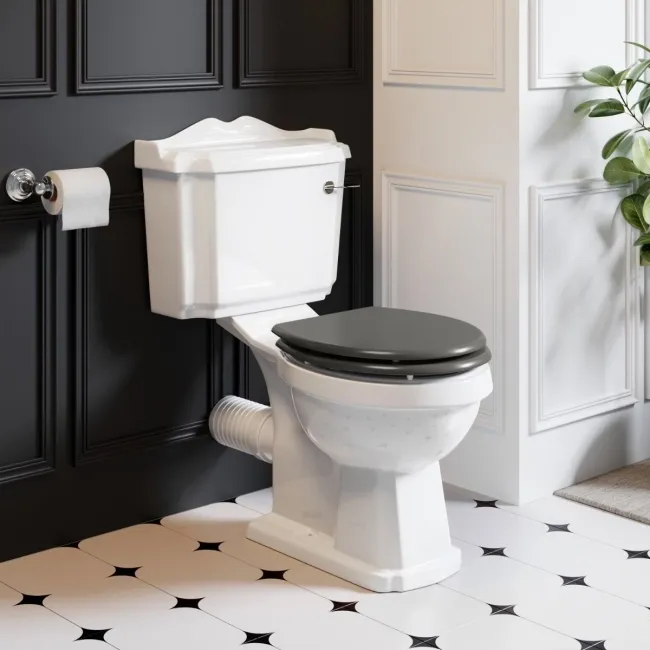
Toilet materials directly affect performance and hygiene by controlling water absorption, surface porosity, bacterial retention, structural load resistance, and cleaning efficiency, with low-porosity glazed ceramics delivering the highest hygiene and durability outcomes in residential bathrooms. Material microstructure governs sanitation behaviour.
Effect of Material Porosity on Hygiene
Low-porosity toilet materials reduce bacterial adhesion and residue retention by limiting capillary water absorption at the surface level. Glazed vitreous ceramics achieve water absorption below 0.5%, while unvitrified ceramics exceed 3%, increasing microbial persistence and staining risk during prolonged use.
Effect of Surface Finish on Cleaning Efficiency
Smooth glazed toilet surfaces improve cleaning efficiency by reducing friction between contaminants and the material interface. Glass-phase ceramic glazing forms continuous surfaces that resist limescale bonding, while rougher materials require higher chemical concentration and mechanical action to achieve equivalent sanitation.
Effect of Material Density on Structural Performance
High-density toilet materials increase structural stability and load-bearing capacity under repeated seating and flushing cycles. Dense vitrified ceramics distribute compressive stress evenly across the bowl and pan, reducing fracture probability compared with lower-density ceramic compositions.
Effect of Chemical Resistance on Long-Term Hygiene
Chemical-resistant toilet materials maintain hygienic surfaces under frequent exposure to cleaning agents and disinfectants. Glazed ceramic surfaces resist alkaline and acidic cleaners, while polymer and metal surfaces exhibit varying resistance profiles depending on formulation and coating quality.
Effect of Thermal Stability on Material Integrity
Thermally stable toilet materials preserve dimensional accuracy and surface bonding during temperature variation from hot water, cold inflow, and ambient change. Vitrified ceramics maintain glaze adhesion and structural cohesion, preventing microcrack formation that compromises hygiene.
Effect of Material Selection on Odour Retention
Non-porous toilet materials limit odour retention by preventing organic compound absorption within surface microvoids. Glazed ceramic surfaces restrict gas entrapment, while higher-porosity materials allow volatile compound retention that degrades perceived cleanliness over time.
Effect of Component Materials on Water Control Hygiene
Material selection for internal components affects hygiene by controlling scale formation, seal integrity, and water flow accuracy. Polymer valves resist corrosion, elastomeric seals prevent leakage, and brass connectors maintain pressure stability within cistern systems.
How Do Toilet Materials Affect Durability and Longevity?
Toilet materials affect durability and longevity by determining resistance to water absorption, mechanical load, chemical exposure, thermal stress, and surface wear, with low-porosity vitrified ceramics delivering the longest service life in residential bathroom environments. Material microstructure governs degradation rate.
Effect of Water Absorption on Material Lifespan
Low water absorption extends toilet lifespan by preventing internal moisture ingress that causes microcracking, glaze failure, and structural weakening. Vitrified ceramic materials maintain absorption below 0.5%, while non-vitrified ceramics exceed 3%, accelerating long-term material fatigue.
Effect of Compressive Strength on Structural Durability
High compressive strength improves durability by supporting repeated static and dynamic seating loads without fracture or deformation. Dense ceramic structures distribute stress uniformly across the bowl and pan, reducing crack initiation under daily residential use.
Effect of Chemical Resistance on Long-Term Performance
Chemical resistance preserves material integrity during repeated exposure to cleaning agents, disinfectants, and limescale removers. Glazed ceramic surfaces resist acidic and alkaline degradation, while lower-grade polymers and uncoated metals experience surface erosion over time.
Effect of Thermal Stability on Material Degradation
Thermal stability prevents expansion mismatch and microfracture caused by temperature variation from water inflow and ambient conditions. High-fired ceramic materials maintain dimensional consistency, preserving glaze adhesion and structural cohesion.
Effect of Surface Hardness on Wear Resistance
High surface hardness reduces abrasion from cleaning tools, sediment movement, and repeated contact. Ceramic glaze hardness limits surface scratching, preserving hygienic performance and structural appearance throughout extended service periods.
Effect of Corrosion Resistance on Component Longevity
Corrosion-resistant component materials extend functional lifespan by preventing rust, seal failure, and mechanical seizure. Polymer valves resist scale buildup, brass fittings maintain thread integrity, and stainless steel fixings preserve structural alignment.
Effect of Material Fatigue on Service Life
Material fatigue resistance determines long-term reliability under cyclic loading and flushing stress. Vitrified ceramics exhibit low fatigue propagation, supporting service lives exceeding multiple decades in residential bathroom installations.
How Do Toilet Materials Affect Hygiene and Cleaning?
Toilet materials affect hygiene and cleaning by controlling surface porosity, bacterial adhesion, chemical resistance, stain retention, and cleaning effort, with low-porosity glazed ceramics delivering the highest hygiene performance in residential bathrooms. Material microstructure defines sanitation efficiency and maintenance frequency.
Effect of Surface Porosity on Hygiene
Low surface porosity reduces bacterial retention by preventing moisture and organic matter from penetrating the material structure. Glazed vitreous china maintains water absorption below 0.5%, while non-vitrified ceramics exceed 3%, increasing microbial persistence and hygiene risk.
Effect of Surface Smoothness on Cleaning Efficiency
Smooth toilet surfaces improve cleaning efficiency by reducing friction between contaminants and the material interface. Glazed ceramic finishes limit limescale bonding and waste adhesion, reducing cleaning time and chemical concentration required for sanitation.
Effect of Material Chemistry on Bacterial Adhesion
Material chemistry influences bacterial adhesion by altering surface energy and biofilm formation potential. Glass-phase ceramic glazing presents low surface energy, limiting bacterial attachment compared with uncoated ceramics, metals, and textured polymers.
Effect of Chemical Resistance on Hygiene Maintenance
Chemical resistance preserves hygienic performance during repeated exposure to disinfectants and cleaning agents. Glazed ceramics resist acidic and alkaline cleaners without surface degradation, while polymers and metals show variable resistance based on formulation and coating quality.
Effect of Stain Resistance on Visual Cleanliness
Stain resistance supports perceived hygiene by preventing discoloration from mineral deposits and organic waste. Non-porous ceramic glazing blocks pigment absorption, maintaining surface brightness during prolonged residential use.
Effect of Component Materials on Internal Hygiene
Internal component materials affect hygiene by controlling scale buildup, leakage, and stagnant water retention. Polymer valves resist corrosion, elastomeric seals prevent leaks, and brass connectors maintain consistent water flow inside the cistern.
Are There Eco-Friendly Toilet Materials?
Eco-friendly toilet materials include vitreous china with recycled content, low-firing ceramic blends, recycled stainless steel, and recyclable polymer components, with environmental performance determined by raw material sourcing, firing energy, lifespan, and end-of-life recyclability. Sustainability depends on full lifecycle impact rather than material type alone.
Recycled-Content Vitreous China
Recycled-content vitreous china reduces environmental impact by incorporating post-industrial ceramic waste into toilet manufacturing without compromising strength or hygiene. Ceramic regrind replaces virgin raw material, lowering mineral extraction demand while maintaining water absorption below 0.5%.
Low-Energy Ceramic Firing Technologies
Low-energy ceramic formulations reduce carbon output by lowering kiln firing temperatures while preserving vitrification performance. Modified mineral ratios decrease energy consumption per unit during toilet production, reducing manufacturing-stage emissions.
Recycled Stainless Steel Components
Recycled stainless steel supports eco-friendly toilet construction in frames, fixings, and specialist applications due to near-infinite recyclability and corrosion resistance. Stainless steel recycling rates exceed 85% in construction supply chains, reducing embodied carbon.
Recyclable Polymer Toilet Components
Recyclable polymer materials improve sustainability in cistern bodies, flush valves, and fittings through reduced weight and lower processing energy. Polypropylene and polyethylene components support material recovery at end of service life.
Longevity as an экологical Factor
Material longevity improves environmental performance by reducing replacement frequency and waste generation. High-durability vitrified ceramics demonstrate service lives exceeding multiple decades, lowering lifecycle environmental cost compared with short-life alternatives.
How Do Toilet Materials Affect Price?
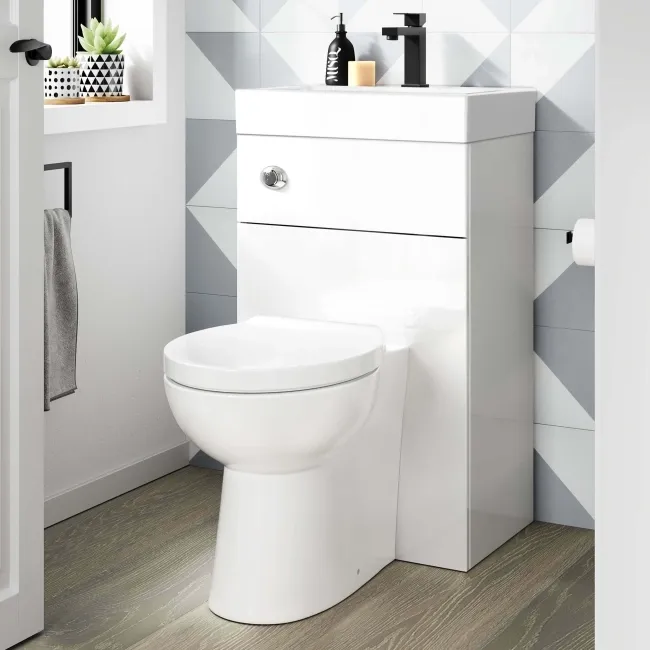
Toilet materials affect price by determining raw material purity, firing temperature, manufacturing time, surface finishing complexity, durability, and service lifespan, with higher-density vitrified ceramics increasing upfront cost due to energy-intensive production and extended longevity. Material engineering directly defines unit cost and lifecycle value.
Effect of Raw Material Composition on Price
Raw material composition influences toilet price through mineral refinement level and sourcing control. Standard ceramic uses broader clay tolerances, porcelain uses refined mineral blends, and vitreous china requires tightly controlled kaolin, feldspar, silica, and quartz ratios, increasing material cost per unit.
Effect of Firing Temperature and Energy Consumption
Higher firing temperatures increase toilet price by raising kiln energy consumption and production overhead. Ceramic firing occurs below 1,100 °C, porcelain approaches 1,200 °C, and vitreous china exceeds 1,200 °C, significantly increasing gas or electric kiln operating cost.
Effect of Manufacturing Time and Yield Loss
Longer manufacturing cycles increase price by extending drying, firing, and cooling durations while raising rejection rates. Dense vitrified ceramics require slower processing to prevent warping and cracking, increasing labour cost and material waste during quality control.
Effect of Glazing and Surface Finishing on Cost
Advanced glazing increases price through additional material layers and secondary firing processes. High-performance glaze formulations improve stain resistance and hygiene but add coating cost, kiln time, and inspection requirements.
Effect of Durability on Long-Term Cost Efficiency
Higher durability reduces lifetime cost by lowering replacement frequency and maintenance expenditure. Vitrified ceramic toilets maintain structural and surface integrity for decades, offsetting higher initial purchase price compared with lower-density materials.
Effect of Component Material Quality on Final Price
Component material selection influences total toilet price through valve reliability, seal lifespan, and corrosion resistance. Brass inlet fittings, stainless steel fixings, and high-grade polymers increase unit cost while extending operational lifespan and reducing failure risk.
Are Toilet Materials Regulated in the UK?
Toilet materials used in the United Kingdom are regulated through building regulations, product standards, and water supply compliance requirements that control material safety, hygiene performance, structural integrity, and water efficiency. Regulatory oversight applies to both ceramic bodies and internal components.
Building Regulations Affecting Toilet Materials
UK Building Regulations require toilet materials to support safe installation, structural stability, and sanitary performance within residential and commercial buildings. Approved Document G governs sanitation provision, while Approved Document M influences material suitability for accessibility and durability.
British and European Product Standards
Toilet materials must comply with BS EN standards that define material density, water absorption, load resistance, and dimensional accuracy. BS EN 997 regulates ceramic toilet pans and cisterns, specifying performance thresholds for strength, flushing, and durability.
Water Supply and Hygiene Compliance
Materials used in toilets must comply with UK water supply regulations to prevent contamination and material degradation. The Water Supply (Water Fittings) Regulations require materials in contact with water to resist corrosion, leaching, and biological growth.
Material Safety and Chemical Restrictions
Toilet materials are subject to chemical safety controls that restrict hazardous substances in ceramics, glazes, plastics, and metals. UK REACH regulations limit heavy metals and harmful additives to protect indoor air quality and water safety.
Quality Testing and Certification Requirements
Regulated toilet materials undergo impact testing, load testing, water absorption testing, and glaze adhesion testing before market approval. Independent certification verifies compliance with structural, hygienic, and durability requirements.
What Toilet Material Is Best for Homes?
Vitreous china ceramic is the best toilet material for homes because the material delivers low water absorption below 0.5%, high compressive strength, glazed non-porous surfaces that support hygiene, and durability that exceeds multiple decades under residential bathroom use. Material properties directly influence sanitation performance and long-term service life.
Why Vitreous China Ceramic Excels in Homes
Vitreous china ceramic outperforms other materials through a combination of low porosity, structural strength, ease of cleaning, and chemical resistance, making it the preferred choice for domestic toilets. Glazed surfaces resist staining and microbial adhesion, improving hygiene and reducing maintenance effort.
Comparison With Alternative Materials
Alternative materials such as stainless steel, polymer plastics, and composite blends show niche advantages but fall short of vitreous china ceramic for typical residential settings. Stainless steel offers impact resistance for institutional environments, polymers serve internal cistern components, and composites suit lightweight or modular systems.
Long-Term Value of Vitreous China in Homes
Long-term value of vitreous china toilets arises from minimal material degradation, strong resistance to thermal and chemical stress, and consistent performance under repeated use. High-temperature kiln firing produces a dense structure that supports decades of daily flushing cycles without loss of structural or hygienic quality.
Installation and Maintenance Considerations
Installation of vitreous china toilets aligns with standard plumbing fixtures and supply connections common in UK homes, reducing bespoke fitting requirements. Routine cleaning maintains surface smoothness and extends service life, contributing to lifecycle cost efficiency.
What Should You Consider When Choosing a Toilet Based on Material?

Toilet material selection should consider porosity level, hygiene performance, structural strength, chemical resistance, service lifespan, and maintenance demand, with low-porosity vitrified ceramics providing the most reliable outcomes for residential bathrooms. Material properties directly influence sanitation quality and long-term performance.
Porosity and Water Absorption
Low porosity reduces hygiene risk by limiting moisture penetration and bacterial retention within the toilet surface. Vitrified ceramic materials maintain water absorption below 0.5%, while non-vitrified ceramics exceed 3%, increasing staining, odour retention, and long-term surface degradation.
Hygiene and Cleaning Efficiency
Smooth, non-porous materials improve cleaning efficiency by reducing residue adhesion and limescale bonding. Glazed ceramic surfaces require lower cleaning effort and reduced chemical intensity compared with textured polymers or uncoated ceramic finishes.
Structural Strength and Load Capacity
High compressive strength ensures structural stability under repeated seating loads and daily use. Dense vitrified ceramics distribute mechanical stress evenly, reducing fracture risk compared with lower-density ceramic or composite alternatives.
Chemical and Stain Resistance
Chemical resistance preserves surface integrity during frequent exposure to cleaning agents and disinfectants. Glazed ceramic materials resist acidic and alkaline cleaners, maintaining surface smoothness and hygienic appearance over extended service life.
Durability and Service Life
Material durability determines long-term reliability and replacement frequency. High-fired ceramic toilets demonstrate minimal degradation under continuous moisture exposure, temperature variation, and mechanical loading common in residential bathrooms.
Maintenance and Repair Considerations
Material choice influences maintenance complexity and component longevity. Ceramic bowls require minimal upkeep, while internal polymer and elastomer components determine flushing reliability and seal performance over time.
Installation Environment Compatibility
Installation type affects optimal material selection based on weight, support structure, and visibility. Ceramic suits floor-mounted installations, while polymer cisterns and steel frames support concealed and wall-hung toilet systems.
Conclusion: Choosing the Right Toilet Material
Toilet materials shape everyday performance by influencing hygiene, durability, cleaning effort, lifespan, and overall value, with vitrified ceramic systems delivering the most reliable balance for residential use. Vitreous china remains the preferred choice for bowls and pans because low porosity, high strength, and glazed surfaces support cleanliness and long-term stability, while polymers, elastomers, and metals handle flushing, sealing, fixing, and structural support roles. Material quality determines how a toilet performs over decades of daily use, making informed material selection more important than appearance or design alone.


