Choosing between a walk-in shower and a bathtub depends on accessibility, space efficiency, and bathing experience. Walk-in showers provide step-free entry, optimise floor space, reduce water usage, and simplify cleaning, making them practical and safe for everyday use. Bathtubs offer full-body soaking, hydrotherapy benefits, and a relaxing bathing experience, but require more room, higher water consumption, and increased maintenance. Assessing bathroom size, user needs, installation requirements, and design style ensures the selected option balances comfort, functionality, and long-term durability.
What is a Walk-In Shower?

A walk-in shower is a level-access shower area that allows step-free entry without barriers. It enhances bathroom safety by reducing slip risks, optimise floor space for efficient movement, support modern minimalist design, and provide easy cleaning and maintenance, making them a practical choice for any bathroom layout.
What is a Bathtub?

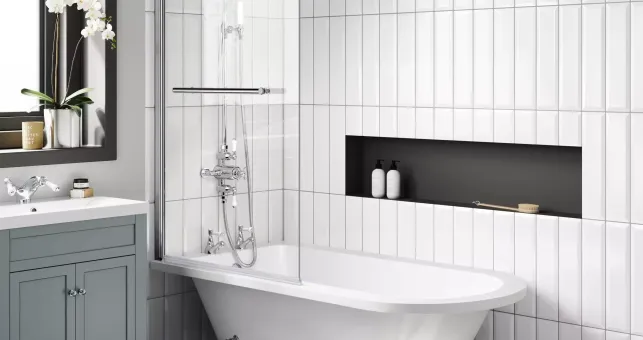
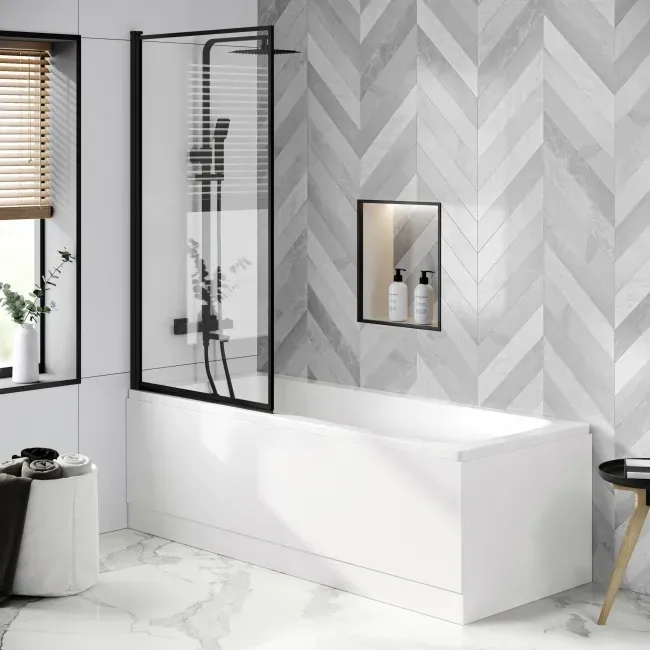
A bathtub is a large basin built for full-body soaking and bathing. It provides relaxation, supports hydrotherapy, and promotes hygiene. Designs include freestanding, alcove, and drop-in styles, offering comfort and a calming bathing experience while occupying more floor space than a shower.
What Are the Key Differences Between Walk-In Showers and Bathtubs?
The key differences between walk-in showers and bathtubs are summarised in the table below:
| Feature | Walk-In Shower | Bathtub |
| Accessibility | Step-free entry reduces slip risks | Requires stepping over edge, less accessible |
| Space Usage | Optimises floor space, suitable for smaller bathrooms | Occupies more floor space, less flexible layout |
| Bathing Experience | Quick washing, practical for daily use | Full-body soaking, relaxing, supports hydrotherapy |
| Water Consumption | Uses less water per use | Higher water usage per bath |
| Cleaning & Maintenance | Easier to clean, less water residue | Requires more effort to clean and maintain |
| Design Style | Modern, minimalist aesthetic | Traditional or luxurious, decorative options |
Factors to Consider When Choosing
When trying to decide between a walk-in shower and a bathtub, there are a number of factors that you should consider, including:
Bathroom Size
Bathroom size determines whether a walk-in shower or bathtub is practical. Walk-in showers optimise floor space and allow efficient layouts in smaller rooms. Bathtubs occupy more area, which can restrict furniture placement and overall bathroom design flexibility.
Accessibility
Accessibility affects safety and ease of use. Walk-in showers provide level-entry access that reduces slip hazards and supports users with limited mobility, children, or elderly family members. Bathtubs require stepping over edges, making entry less safe and less convenient.
Bathing Experience
Bathing experience influences comfort and routine. Bathtubs allow full-body soaking, relaxation, and hydrotherapy benefits, while walk-in showers provide fast, practical washing suitable for daily hygiene and quick routines.
Water Usage
Water consumption differs between bathing options. Walk-in showers typically use less water per session, lowering utility costs. Bathtubs need larger volumes, which can increase water usage and affect sustainability goals.
Maintenance
Cleaning and upkeep vary between options. Walk-in showers are easier to clean, with fewer hard-to-reach areas and less water residue. Bathtubs require more frequent scrubbing and attention to prevent staining and residue buildup.
Design and Style
Design style shapes bathroom aesthetics and functionality. Walk-in showers support modern, minimalist layouts, enhancing open spaces. Bathtubs provide a focal point for traditional or luxury designs, offering decorative and relaxing elements.
Considering these factors ensures the chosen option balances practicality, comfort, safety, and style for any bathroom layout.
Pros and Cons of Walk-In Showers
Walk-in showers come with a number of advantages and disadvantages that you need to consider:
Pros of Walk-In Showers
- Offer easy access through level or low-threshold entry that reduces slip hazards and supports users with limited mobility
- Maximise perceived space by creating an open layout that makes small bathrooms feel larger and uncluttered
- Allow customisation for any layout including corner, alcove, or wet-room configurations, optimising floor efficiency
- Reduce water usage by using less water per session compared to filling a bathtub, lowering utility costs and environmental impact
- Simplify cleaning and maintenance with minimal hard-to-reach areas, smooth surfaces, and efficient drainage that prevents residue buildup
Cons of Walk-In Showers
- Higher installation costs compared to standard shower trays due to design and materials
- Require precise waterproofing to prevent leaks and water damage in surrounding areas
- Limited soaking options as most designs focus on quick showers rather than full-body immersion
- Reduced privacy in open or frameless designs, which may feel exposed
- May feel less luxurious compared to the comfort and relaxation offered by a bathtub
Pros and Cons of Bathtubs
As is the case with walk-in showers, bathtubs also come with their own benefits and drawbacks:
Pros of Bathtubs
- Provide full-body soaking that promotes relaxation and stress relief
- Support hydrotherapy benefits for muscle relaxation and improved circulation
- Offer a luxurious and classic aesthetic enhancing bathroom style and visual appeal
- Suitable for families with children as they allow safe, seated bathing
Cons of Bathtubs
- Require more floor space which can limit bathroom layout options
- Use more water per bath increasing utility costs and environmental impact
- Difficult to access for children, elderly, or people with mobility issues
- Require more cleaning and maintenance due to larger surface area and potential residue buildup
- Less practical for quick washing compared to a shower, making daily hygiene slower
Can You Have Both?
Yes, it is possible to have both a walk-in shower and a bathtub in the same bathroom if space allows. Combining both options provides flexibility for quick showers and full-body soaking, catering to different needs and routines.
Design considerations are important when including both. Walk-in showers can be positioned in a corner or wet-room style to save space, while bathtubs may be freestanding or alcove-mounted. Adequate clearance, water supply, drainage, and safe movement around fixtures are essential to maintain functionality, comfort, and bathroom flow.
What Are the Installation Requirements for Each Option?
Walk-in showers require level or low-threshold entry, waterproofing, a shower tray or tiled floor with drainage, and secure glass panels or enclosures. Plumbing must accommodate shower valves, drains, and potential wet-room sealing. Proper slope and sealing prevent leaks and water damage.
Bathtubs need a stable, level base, adequate wall support for alcove or freestanding placement, and plumbing for taps, overflow, and drains. Installation may involve reinforcing floors, tiling surrounds, and sealing edges to prevent water escape. Access for maintenance and safe entry should be considered, especially for walk-in bath designs.
How Do You Clean and Maintain Walk-In Showers and Bathtubs?
Walk-in showers require minimal maintenance due to smooth, level surfaces and fewer crevices. Daily rinsing, wiping glass panels, and cleaning grout with a mild detergent prevents limescale, soap residue, and mould buildup. Proper drainage ensures water does not pool, reducing slip hazards and prolonging fixture lifespan.
Bathtubs demand more intensive cleaning because of larger surfaces and prolonged water exposure. Non-abrasive cleaners should be used on the basin, edges scrubbed regularly, and overflow and tap fixtures maintained to prevent stains, mould, and mildew. Tiled surrounds and bath edges require periodic sealing to avoid water seepage and structural damage.
How Do You Decide Which Option Is Right for You?
Choosing between a walk-in shower and a bathtub depends on space, lifestyle, and bathing preferences. Walk-in showers are ideal for smaller bathrooms, quick washing routines, and users who prioritise accessibility and safety. Bathtubs suit those who enjoy full-body soaking, relaxation, and hydrotherapy benefits.
Additional considerations influence the decision. Water usage, maintenance effort, installation cost, and overall bathroom design should be assessed. Combining both may be possible in larger spaces to provide flexibility. Evaluating these factors ensures the selected option balances practicality, comfort, and style for everyday use.
Final Thoughts
Deciding between a bathtub and a walk-in shower can feel challenging, but the choice ultimately depends on your lifestyle, personal preferences, and available bathroom space. In smaller bathrooms, a walk-in shower adds practicality and a touch of modern luxury. In larger spaces, a bathtub is a great option, or you could even include both to enjoy the benefits of each.