

Vanity height defines ergonomic comfort, reach accuracy and spatial balance across every bathroom layout. Standard elevation ranges from 850 mm to 900 mm, while comfort-height formats extend to 915 mm for improved adult posture. Vessel-basin installations reduce cabinet height because bowl elevation adds 120–180 mm above the countertop. Accessibility-focused heights between 730 mm and 760 mm support wheelchair approach, open-knee clearance and controlled tap reach. Installation type alters elevation through plinth construction, bracket placement and basin geometry. Measurement accuracy, structural preparation and coordinated alignment across taps, mirrors and countertops determine final height performance. Elevation selection varies across adults, elderly users and children because each group requires different wrist alignment, bending demand and reach distance. Current trends favour taller comfort heights, flexible wall-mounted systems and customised elevation patterns shaped by household composition. Comparative analysis across vanity formats clarifies functional behaviour, spatial proportioning and ergonomic outcomes.
What Is Vanity Height?
Vanity height is the vertical distance from finished floor level to the upper surface of a bathroom vanity unit. Vanity height defines washing comfort, hand-washing reach and splash-zone control. Benchtop thickness, basin depth, plinth structure and floor variation determine the final measurement. Material tolerances of 30–50 mm and tile build-up layers of around 10 mm influence elevation accuracy. Ergonomic calibration of these components establishes balanced proportions, organised storage access and consistent fixture alignment across the bathroom layout.
Why Should You Care About Vanity Height?
Vanity height influences washing comfort, reach efficiency and daily usability in every bathroom. Bathroom routines depend on precise elevation because comfortable posture, reduced splash spread and stable arm movement patterns form around a correctly calibrated vanity structure. Height variation changes spine alignment, wrist positioning and countertop access during repeated tasks such as face washing, brushing and grooming. Elevation differences shaped by benchtop thickness, basin depth and plinth configuration alter functional performance for users of different statures. Accurate height selection supports safe interaction, organised storage access and consistent spatial flow. Balanced elevation across basin, mirror and storage components strengthens bathroom ergonomics and creates a predictable workflow during daily routines.
What Is the Standard Vanity Height?
The standard vanity height ranges from 850 mm to 900 mm from finished floor level to the upper surface of the vanity structure. Adult elbow height aligns with this elevation, creating stable wrist positioning, reduced bending demand and balanced reach during washing activities. Countertop thickness, basin depth and plinth configuration shift the final measurement within this recognised range. Height selection close to 850 mm supports broad accessibility, while elevation near 900 mm strengthens ergonomic alignment for taller users. Mirror placement, tap projection and splash-zone boundaries gain consistent proportions when vanity height remains within this standard range. Daily grooming, face washing and storage interaction also become more predictable through consistent elevation control.
What Are the Standard Heights for Different Vanity Types?
Freestanding Vanity Height
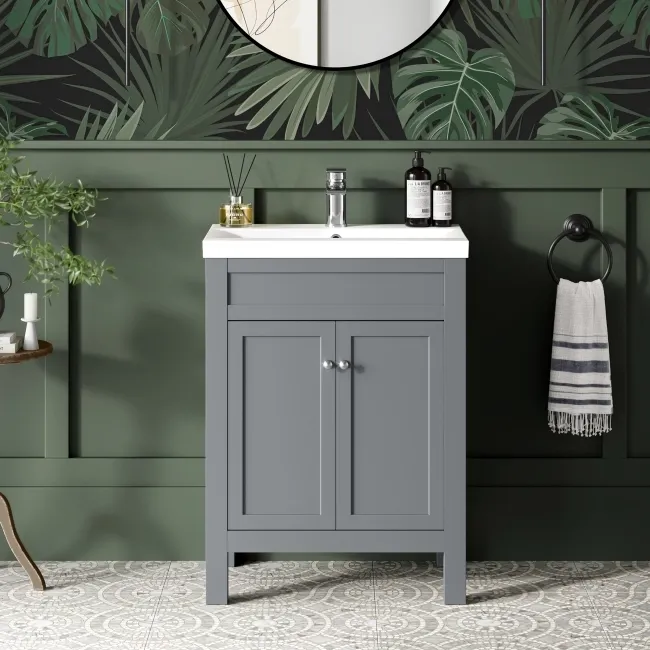
Freestanding vanity height ranges from 850 mm to 900 mm. Leg structure, plinth configuration, countertop thickness and basin depth determine final elevation. Balanced reach, reduced bending demand and stable posture patterns form around this height range during washing and grooming tasks.
Wall-Mounted Vanity Height
Wall-mounted vanity height ranges from 800 mm to 900 mm. Adjustable mounting brackets create elevation flexibility. Wrist alignment, arm-extension precision and splash-zone containment strengthen when a wall-mounted structure aligns with user stature and basin geometry.
Vessel-Basin Vanity Height
Vessel-basin vanity height ranges from 750 mm to 820 mm. Above-counter basin height increases elevation by 120–180 mm, reducing cabinet height requirements. Countertop thickness, basin silhouette and tap clearance shape ergonomic rhythm and washing flow around this vanity type.
Comparison of Standard Vanity Heights
The table below defines standard vanity height ranges, dimensional influencers and functional outcomes for each vanity type.
| Vanity Type | Standard Height Range | Dimensional Influencers | Functional Outcomes |
| Freestanding Vanity | 850–900 mm | Plinth height, countertop thickness, basin depth | Stable reach, reduced bending demand, consistent posture |
| Wall-Mounted Vanity | 800–900 mm | Bracket placement, user stature, tap projection | Flexible alignment, controlled splash spread, refined ergonomics |
| Vessel-Basin Vanity | 750–820 mm | Basin height, countertop thickness, tap clearance | Reduced cabinet elevation, balanced proportions, smooth washing flow |
How Do You Choose the Perfect Vanity Height?
Perfect vanity height selection depends on user stature, basin design and installation method. Height alignment creates stable posture, balanced wrist movement and predictable reach across daily grooming tasks. Structural choices and installation details refine the final elevation and overall bathroom workflow.
Ergonomic Factors
User height determines comfortable elbow level, which shapes natural reach and reduces bending during daily routines. Taller adults function effectively around 880–900 mm, while blended-user spaces gain balanced usability around 850 mm.
Structural Factors
Basin style and countertop depth influence the vertical profile of the vanity unit. Vessel basins elevate washing surfaces by 120–180 mm, which lowers cabinet height requirements. Integrated basins produce compact elevations shaped by material thickness, basin depth and tap projection.
Installation Factors
Plinth height, mounting position and mirror alignment control spatial harmony around the vanity area. Plinth design adjusts cabinet rise, while bracket placement defines elevation for wall-mounted units. Coordinated positioning across vanity height, tap geometry and mirror centre-line establishes consistent proportions and smooth movement flow.
What Are the Accessibility Requirements for Vanity Height?
Accessible vanity height ranges from 730 mm to 760 mm to support wheelchair approach, seated washing posture and unobstructed leg clearance. Accessible design depends on stable seated alignment, controlled reach to taps and clear movement paths around the washing zone. Height accuracy, approach geometry and surface configuration create functional support for users with reduced mobility.
Clearance and Approach Requirements
Accessible vanity height depends on 480–600 mm of open-knee space beneath the structure to maintain stable seated posture. Forward approach requires a clear floor area of at least 1200 mm by 700 mm to enable wheelchair positioning, turning and sustained upper-body alignment during washing activities.
Reach and Control Requirements
Tap placement, basin projection and handle layout shape reachable zones for users with limited arm strength. Safe operation forms when controls remain within 400–500 mm of the seated front edge, creating consistent arm-extension patterns and balanced water-flow management.
Structural Requirements
Shallow basins, slim countertops and reinforced mounting systems strengthen clearance, reduce obstruction and support mobility-aid positioning beneath the vanity frame. Rounded corners, smooth edge transitions and consistent vertical alignment minimise collision points and improve manoeuvrability throughout the washing area.
How Does Installation Type Affect Vanity Height?
Installation type affects vanity height by changing cabinet rise, basin elevation, support structure and wall-mount positioning. Structural choices shape ergonomic balance, reach control and washing behaviour across the vanity zone. Dimensional adjustments influence stability, workflow rhythm and spatial proportioning within the bathroom layout.
Floor-Mounted Installation
Floor-mounted installation alters vanity height through plinth height and leg configuration. Plinth elevation contributes 50–150 mm of vertical rise, forming bending demand, reach distance and wrist alignment during grooming activities. Consistent plinth structure improves load distribution and countertop stability.
Wall-Mounted Installation
Wall-mounted installation adjusts vanity height through bracket placement and fixing elevation. Bracket positioning establishes height variation across an 800–900 mm range. Elevation flexibility enables alignment with user stature, mirror centre-line and tap projection, strengthening ergonomic control and splash-zone management.
Vessel-Basin Installation
Vessel-basin installation modifies vanity height through additional basin elevation of 120–180 mm above the countertop. Cabinet height reduces to maintain comfortable washing level. Combined influence from countertop thickness, basin silhouette and tap clearance defines the complete vertical profile and arm-extension pattern.
What Vanity Height Do You Need for a Vessel Sink?
Vessel sink vanity height ranges from 750 mm to 820 mm to balance basin elevation, tap reach and washing posture. Above-counter basins increase total height by 120–180 mm, which reduces cabinet height requirements and strengthens ergonomic alignment across the washing area.
Basin Elevation Factors
Vessel bowl height contributes most of the vertical rise above the countertop. Elevation between 120–180 mm shapes wrist positioning, arm-extension range and splash-zone behaviour. Shallow bowl profiles maintain controlled reach for users with shorter statures.
Countertop and Cabinet Factors
Countertop thickness, structural material and installation depth influence the final vertical profile. Slim surfaces produce compact measurements, while thick materials increase elevation. Reduced cabinet height preserves comfortable reach and balanced posture during grooming activities.
Tap and Clearance Factors
Tap projection, spout height and handle placement shape functional reach across the washing zone. Clearance above the vessel rim supports smooth water flow and controlled splash patterns. Combined geometry between tap, basin and countertop forms the complete ergonomic height.
How Does Vanity Height Affect Mirror Placement?
Vanity height affects mirror placement by shaping sightline level, reflective alignment and vertical proportioning across the washing zone. Correct elevation supports natural posture, stable visual focus and efficient grooming behaviour during daily routines.
Eye-Level Geometry
Mirror placement depends on the average standing eye position above the vanity structure. Centre-line height between 1500 mm and 1650 mm creates balanced visibility for most adults. Fixed alignment reduces neck strain and stabilises head orientation during grooming movements.
Vertical Spacing
The distance between the vanity surface and mirror base influences splash behaviour, forward reach and reflective usability. An offset zone of 100–250 mm prevents splash marks and maintains comfortable access to taps and basin controls. Controlled spacing enhances visual clarity and surface protection.
Spatial Coordination
Combined elevation between vanity height, mirror height and tap projection defines visual rhythm and ergonomic coherence. Proportional relationships reduce visual imbalance, strengthen movement flow and support organised washing patterns. Vertical continuity improves the functional identity of the bathroom layout.
What Are the Current Trends in Vanity Height?
Vanity height trends prioritise comfort-height elevations, flexible mounting systems and proportional design alignment across modern bathroom layouts. Height preferences shift toward ergonomic performance, adaptable structures and visual refinement as homeowners emphasise practical use and contemporary style.
Comfort-Height Preference
Comfort-height elevations between 860 mm and 915 mm gain popularity because taller structures reduce bending demand and stabilise wrist alignment during grooming routines. Height consistency across kitchens and bathrooms strengthens familiar movement patterns and improves user comfort.
Wall-Mounted and Floating Formats
Floating and wall-mounted formats increase adoption because mounting brackets create flexible elevation options. Adjustable positioning enhances ergonomic precision, improves floor clearance and supports minimalist design goals through reduced visual weight.
Customised Elevation Patterns
Tailored vanity height selection expands as household composition diversifies. Shorter elevations support young users, while taller elevations favour adult-oriented spaces. Adjustable-height designs accommodate changing mobility needs and future-proof bathroom functionality.
Integrated Aesthetic Proportioning
Proportional alignment between vanity height, tap projection and mirror placement shapes contemporary design direction. Taller units pair with elongated mirrors and streamlined basins to create vertical balance. Coordinated geometry strengthens visual rhythm and spatial coherence.
How Do You Install a Vanity at the Correct Height?
Correct vanity height installation depends on precise measurement, structural preparation and coordinated alignment across all elevation components. Height accuracy strengthens ergonomic performance, reach stability and proportional balance within the bathroom environment.
Measurement Principles
Floor variation, plinth elevation and countertop thickness define the baseline height calculation. Basin depth refines the upper surface level before fixing points are marked. Consistent reference lines across the wall create reliable guidance for mounting.
Structural Preparation
Stud locations, wall composition and load distribution requirements determine secure installation zones. Reinforced fixing points protect structural integrity and support countertop stability. Clearance planning around taps, mirrors and splash zones shapes functional geometry.
Mounting and Adjustment
Brackets, legs and plinth elements provide controlled height adjustment during installation. Riser blocks and bracket repositioning refine the final elevation. Level checks across horizontal and vertical axes maintain correct ergonomic alignment.
Final Spatial Coordination
Tap projection, basin silhouette and mirror centre-line complete the full height relationship. Balanced spacing enhances reach efficiency, reduces splash transfer and strengthens visual rhythm. Combined elevation components create a coherent vanity height profile and predictable movement flow.
What Are the Most Common Questions About Vanity Height?
What Is the Standard Height of a Bathroom Vanity?
The standard height of a bathroom vanity ranges from 850 mm to 900 mm. This elevation supports balanced wrist alignment, reduced bending demand and stable reach during daily grooming activities.
What Is Comfort Height for a Bathroom Vanity?
Comfort height for a bathroom vanity ranges from 880 mm to 915 mm. Taller elevation reduces lower-back strain and mirrors kitchen-counter height, which strengthens ergonomic consistency for adults.
How Tall Should a Vanity Be With a Vessel Sink?
A vanity with a vessel sink should range from 750 mm to 820 mm. Above-counter basins add 120–180 mm of height, which lowers cabinet structure and creates balanced washing posture.
Can I Change the Height of My Existing Vanity?
Height of an existing vanity can change through plinth alteration, bracket repositioning or countertop replacement. Controlled adjustments refine reach patterns, elevate ergonomic balance and protect structural stability.
What Height Vanity Is Best for Elderly Users?
The best height vanity for elderly users ranges from 850 mm to 880 mm. This elevation reduces forward bending, improves joint comfort and supports secure posture during washing routines.
What Vanity Height Is Best for Children?
The best vanity height for children ranges from 700 mm to 760 mm. Lower elevation enables safe arm extension, stable reach and controlled water access during daily routines.
How Do I Choose Between Standard and Comfort Height?
Selection between standard and comfort height depends on user stature, washing habits and preferred wrist alignment. Taller adults benefit from 880–915 mm, while multi-user households achieve broad accessibility around 850–900 mm.
Does Countertop Thickness Affect Vanity Height?
Countertop thickness affects vanity height by increasing upper-surface elevation by 20–50 mm. Material depth, overhang geometry and basin integration combine to shape total vertical profile and ergonomic reach.
What Is the Best Height for a Double Vanity?
The best height for a double vanity ranges from 850 mm to 900 mm. Shared-height installation creates balanced access across users and stabilises spatial rhythm between basins, taps and mirrors.
Conclusion
Vanity height defines ergonomic balance, functional reach and spatial proportioning across modern bathroom design. Height selection shapes posture stability, movement rhythm and daily washing efficiency. Structural factors, installation methods and basin formats influence final elevation and overall performance. Accessibility requirements, vessel-sink profiles and mirror-placement geometry strengthen coordinated layout planning. Comparative height ranges across freestanding, wall-mounted and vessel-basin formats refine user suitability and visual harmony. Accurate vanity height calibration produces a consistent, comfortable and well-organised bathroom environment.


