

Deep soaking tubs and regular baths deliver different levels of immersion, depth, comfort, water usage, installation requirements, and functional purpose inside modern bathrooms. Deep soaking tubs provide upright soaking, compact footprints, high wall height, enhanced heat retention, and full-body immersion inspired by Japanese bathing principles. Regular baths provide elongated layouts, moderate depth, reclining comfort, low entry height, and everyday practicality for family households. Both tub types differ across shape design, ergonomics, water capacity, thermal behaviour, and usability within varied bathroom sizes and lifestyle preferences.
Deep soaking tubs support relaxation-focused bathing, hydrotherapy routines, compact-room installations, and spa-like experiences requiring deeper water and upright seating. Regular baths support shower-over-bath combinations, child-friendly bathing, wider household versatility, and energy-efficient water usage. Deep soaking tubs require stronger floor support, precise plumbing alignment, and larger water-heating capacity, while regular baths require minimal installation adjustment and reduced running costs. Both categories offer specific advantages and disadvantages across cost, installation complexity, maintenance, long-term comfort, and usage purpose. Selecting between the two requires evaluation of space conditions, bathing habits, budget limits, functional goals, layout constraints, and lifestyle expectations.
What Are Deep Soaking Tubs?
Deep soaking tubs are bathtubs engineered for full-body immersion, offering a deeper water level than standard baths. Most soaking tubs range from 19 to 28 inches in depth, allowing the water to rise to shoulder height when seated. These tubs prioritise relaxation, heat retention, and still-body soaking rather than extended lounging.
Many designs draw inspiration from Japanese Ofuro tubs, which are traditionally compact, upright, and significantly deeper than Western bathtubs. Japanese soaking tubs focus on meditative bathing, warm-water therapy, and space-efficient comfort. Modern deep soaking tubs replicate these principles, using insulated materials, ergonomic curves, built-in seats, and high walls to support a calming, spa-like bathing experience.
What Is Considered a Regular Bath?
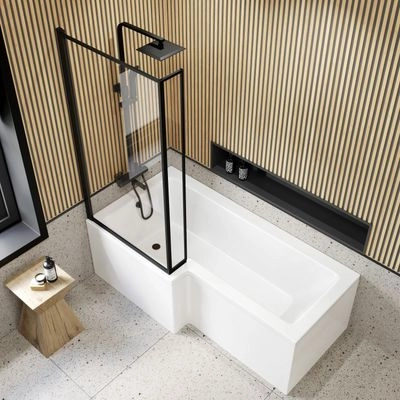
A regular bath refers to a standard Western bathtub, typically measuring 14–17 inches in depth and 150–170 cm in length. These tubs support reclining rather than upright soaking, offering moderate immersion that usually reaches waist or mid-torso level when lying down.
Regular baths commonly feature elongated shapes, sloped backrests, and lightweight acrylic or steel materials. These tubs are designed for everyday family use, making them ideal for quick baths, children’s bathing, and combined shower-over-bath setups due to their lower height and ease of stepping in and out.
Key Differences Between Deep Soaking Tubs and Regular Baths
Deep soaking tubs differ from regular baths in depth, immersion level, seating position, and water capacity.
Major Differences
- Depth: Soaking tubs are significantly deeper, supporting full immersion; regular baths provide partial immersion.
- Dimensions: Soaking tubs are compact and upright; regular baths are longer and shallower.
- Water Capacity: Soaking tubs hold more water; regular baths use less water per fill.
- Comfort Level: Soaking tubs support weightless soaking; regular baths support reclined lounging.
- Usage: Soaking tubs focus on relaxation and hydrotherapy; regular baths serve everyday bathing routines and family use.
Design and Shape Differences
Deep soaking tubs often adopt tall, compact, upright shapes, making them ideal for smaller bathrooms where floor space is limited but depth is available. Many include a built-in seat, ergonomic back support, and rounded walls to maintain comfort during extended soaking.
Regular baths use elongated, horizontal designs that fit along bathroom walls. These tubs typically feature flat bases, sloped backs, and rectangular shapes, making them compatible with shower screens and overhead showers. Their layouts prioritise versatility rather than deep immersion comfort.
Comfort and Bathing Experience
Deep soaking tubs provide full-body immersion, allowing warm water to cover shoulders, spine, and legs simultaneously. This immersion supports deep relaxation, muscle soothing, stress relief, and meditative bathing rituals. The upright position keeps the body supported, reducing strain on the neck and lower back.
Regular baths support a reclined bathing experience, ideal for lounging and stretching out. These tubs provide comfort but limit immersion depth, which can reduce heat retention around the upper body. Regular baths remain practical, relaxing, and easy to enter, making them suitable for multi-purpose household use.
Water Capacity and Efficiency

Deep soaking tubs require significantly more water, often between 250–450 litres, depending on depth and size. This increased volume affects water heating time, energy usage, and household water consumption.
Regular baths generally use 130–180 litres, offering better water efficiency. Their lower height and longer surface area reduce overall water demand. Households prioritising lower utility bills or faster filling times benefit from the efficiency of standard bathtubs.
Installation Requirements and Space Considerations
Deep soaking tubs require stronger floor support, higher clearance, and precise plumbing alignment due to greater depth and weight, while regular baths require standard structural strength, simpler installation, and easier retrofitting because of lighter materials and lower water capacity.
Structural and Floor Support Requirements
Deep soaking tub installation requires strong structural support due to higher filled weight and greater water volume compared with regular baths. Dense materials and deeper walls create a significant downward load that demands reinforced flooring, especially in upper-storey bathrooms. Weight assessment protects subfloor integrity and prevents sagging, distortion, or moisture-related issues beneath the installation footprint.
Regular bath installation places less strain on bathroom flooring because standard tubs hold less water and use lightweight materials such as acrylic or steel. Standard bath frames distribute load evenly across the base, reducing structural demands. Correct support prevents creaking, shifting, or long-term misalignment in family bathrooms.
Bathroom Layout and Spatial Fit
Deep soaking tubs require careful spatial planning because upright designs demand adequate height clearance, step-in space, and access zones around the tub perimeter. Compact footprints allow installation in smaller bathrooms, but increased tub height affects user entry, cleaning access, and tap placement. Positioning must consider door swing, ventilation, and visibility of plumbing connections.
Regular bath installation integrates easily with common bathroom layouts due to elongated rectangular designs. Low-profile sidewalls simplify stepping in and out while supporting shower enclosures and bath-screens. Standardised sizing aligns with alcoves, wall-to-wall placements, and built-in surround structures that define most bathroom floor plans.
Plumbing Access and Connection Requirements
Deep soaking tub installation requires precise plumbing alignment because deeper bases alter tap height, overflow height, and waste positioning. Plumbing repositioning becomes necessary when drain outlets do not align with existing waste systems. Taller tub walls also influence where mixer controls, filler spouts, or overflow assemblies must be installed.
Regular baths align with standard plumbing positions, enabling faster installation and easier retrofitting during renovations. Waste, overflow, and tap connections match industry-standard placements, reducing costs and installation complexity. Consistent plumbing integration supports simple replacement cycles and routine maintenance.
Retrofitting and Replacement Considerations
Deep soaking tub retrofitting requires additional preparation because increased height and weight influence doorway access, turning radii, and delivery clearance. Narrow hallways, staircases, or existing bathroom fixtures may restrict tub movement. Installation professionals often reposition fittings or remove obstacles to accommodate deeper tub designs.
Regular bath replacement fits most properties because standard dimensions match existing alcoves or freestanding footprints. Removal and installation follow predictable processes, making regular bath retrofitting cost-efficient and time-efficient. Simpler removal and access reduce disruption during renovation projects.
Cost Comparison: Purchase and Installation

Deep soaking tubs generally cost more due to premium materials, insulated walls, and specialised designs. Average pricing ranges from £800 to £3,000+, with higher installation costs due to structural reinforcement and plumbing adjustments.
Regular baths remain the most economical choice, typically costing £150 to £700. Installation expenses remain low because standard plumbing configurations and simple support frames accommodate them easily.
Best Use Cases: Which Tub Fits Your Lifestyle?
Deep soaking tubs fit homeowners seeking luxury, hydrotherapy, compact but immersive bathing, or stress-relief experiences. Small bathrooms benefit from their reduced footprint, while wellness-focused homes appreciate the therapeutic soaking depth.
Regular baths suit families, rental properties, households with children, homes that rely on shower-bath combos, and users needing easy entry and exit. Their versatility supports daily routines without requiring structural upgrades or large water volumes.
Pros and Cons of Deep Soaking Tubs
Deep soaking tubs offer full-body immersion, strong heat retention, compact footprints, and therapeutic comfort, while drawbacks include higher water usage, increased installation weight, higher purchase cost, and structural support requirements that influence bathroom layout and renovation planning.
Pros
- Full-body immersion
- Compact footprint
- Spa-like relaxation
- Strong heat retention
- Ergonomic upright seating
Cons
- Higher water usage
- Higher purchase cost
- More complex installation
- Requires stronger floor support
Pros and Cons of Regular Baths
Regular baths offer lower cost, easier installation, efficient water usage, and family-friendly accessibility, while disadvantages include limited immersion depth, reduced heat retention, larger floor-space requirements, and less therapeutic comfort compared with deeper soaking tubs designed for full-body relaxation and upright bathing.
Pros
- Lower cost
- Easy installation
- Family-friendly
- Lower water consumption
- Compatible with shower setups
Cons
- Limited immersion depth
- Heat loss around upper body
- Larger footprint
- Less therapeutic soaking
How to Choose Between a Deep Soaking Tub and a Regular Bath

Choosing between the two depends on bathing style, bathroom space, installation budget, water consumption preference, and comfort priorities. Deep soaking tubs suit homeowners seeking meditation, relaxation, spa-level immersion, and compact yet deep bathing solutions. Regular baths suit families, shower-over-bath users, and households needing flexibility.
Evaluate bathroom layout, hot-water capacity, entry height convenience, cost expectations, and long-term bathing habits. The right choice balances practicality and personal wellness goals.
Conclusion
Deep soaking tubs and regular baths deliver two distinct bathing experiences shaped by depth, comfort level, water capacity, installation demands, and the purpose of the bathroom itself. Deep soaking tubs provide full-body immersion, therapeutic warmth, upright support, and compact layouts inspired by Japanese bathing traditions. These tubs elevate relaxation, create spa-like comfort, and enhance heat retention, although higher water usage, greater installation weight, and additional structural support requirements influence practicality.
Regular baths provide familiar reclining comfort, lower water consumption, simple installation, and easy integration into family homes. Standard dimensions support shower-over-bath setups, accessible entry height, and predictable plumbing alignment. Regular baths suit everyday bathing, child-friendly routines, and cost-conscious bathroom updates.
Choosing between the two depends on lifestyle, bathroom size, installation readiness, water-heating capacity, and bathing preferences. Deep soaking tubs suit homeowners who value therapeutic immersion, compact-space luxury, and long-duration comfort. Regular baths suit households needing versatility, efficient water use, simple maintenance, and broad usability across all ages. Both options provide strong benefits when matched to the correct environment, making the decision a balance between personal comfort goals, practical constraints, and long-term value within the bathroom space.


