

If you are renovating a bathroom that includes a combination tub (a tub with a shower over it), you may find yourself debating between installing a glass screen or a fabric curtain. This same choice may arise if you are designing a partially open walk-in shower or wetroom space, where you need a protective barrier for privacy and splash control.
This is more than a trivial decision; the choice involves both aesthetic and crucial functional considerations. Glass screens are highly effective at preventing water from escaping but require more regular cleaning. Shower curtains offer virtually unlimited design choices but can be fiddly to manage.
In this post, we will help you make this decision by exploring the pros and cons of both options.
What We Will Cover
- Shower Screens and Shower Curtains: Defining the Difference
- Shower Screens: Advantages and Disadvantages
- Shower Curtains: Advantages and Disadvantages
Defining Shower Screens and Shower Curtains
To ensure clarity, let’s establish the key terms:
- Wetroom/Walk-in Screen: A large piece of standalone glass, sometimes joined by a hinged panel, installed using bracing bars (from a wall or ceiling) to create a protective barrier for an open or walk-through shower area.
- Over-Bath Screen: A glass panel installed along the side of a bathtub to enclose the space and contain water when showering within the tub.
- Shower Curtain: A piece of waterproof or water-resistant fabric suspended from a railing above the tub or shower. When pulled closed, it contains water during the showering process.

Types of Shower Screens
While most fixed wetroom screens are visually similar (though available in framed or frameless designs), over-bath screens offer greater variety:
- Fixed Panels: Simple rectangular glass panels permanently secured to the wall, offering no movement.
- Hinged Panels: These range from standard to pivot designs, typically fixed to the wall and capable of swinging open and closed (usually between 90 and 120 degrees). Alternatively, a fixed panel can be hinged to a second moving panel. Hinged screens are popular in family homes due to ease of access and cleaning.
- Folding Screens: Also known as concertina screens, these are made of two or more panels that fold inward upon themselves and neatly push back against the wall. This design maximizes access and is ideal for busy households.
- Curved Screens: A select few designs feature a curved top edge (a radius edge) for a softer, more subtle look.
Note on Thickness: Glass panels vary in depth, typically ranging between 6mm and 10mm. Thicker glass generally suggests higher quality and a more solid feel.
Important Compatibility Note: Not all over-bath screens are universal. They require a specific size and flatness on the tub’s edge to seal properly. Some tubs are designed to be used only with screens from the same manufacturer, so always verify compatibility with your tub model before purchasing.
Types of Shower Curtains
Curtains offer flexibility in terms of color, style, material, and installation method, similar to window treatments. The fitting mechanism depends on the choice of curtain rail or ring:
- Straight Rail: The standard rail that runs along the edge of the tub.
- Curved/Arcing Rails: These range from subtle bends to horseshoe shapes, creating more enclosed showering space within the tub.
- Looped Rails/Rings: Complete looped systems that can form a small circle or an elongated capsule shape, often following the full curvature of a tub.
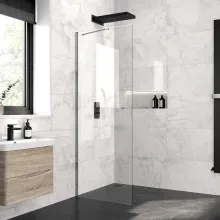
Screens vs. Curtains for Combination Tubs
The core debate usually centers on fixtures used with combination tubs. The pros and cons discussed below apply specifically to these two products in this context.
Shower Screens: The Pros and Cons
| Pros (Screens) | Cons (Screens) |
| Minimal Leak Risk | Splashing Limitations |
| Screens use specialized seals to maintain a tight barrier against the bath rim, minimizing the chance of water leaking onto the floor. | Depending on the shower position, a screen may not be wide enough to contain all splashing, leading to wet floor space near the tub. |
| Shape Versatility | Interference During Bath Time |
| Screens are available to fit nearly any tub shape, including standard square tubs and specialized designs like P-shaped or L-shaped tubs. | A screen can be cumbersome when bathing children or pets, especially if the open panel blocks door access. |
| Opening Options | Prone to Streaking |
| Folding screens resolve the common issue of needing space to swing open, collapsing neatly against the wall when not in use. | Unless dried after every use, glass quickly accumulates streaks and water spots. |
| Design Choices | Limescale Buildup |
| Options range from clear glass to attractive metal-framed (or “Crittall style”) designs, easily complementing the bathroom aesthetic. | If streaks are left to dry, mineral deposits can harden into limescale, which is challenging to remove. |
| Privacy Options | Risk of Breakage |
| For those who prefer privacy, a screen can be ordered in frosted glass, offering opacity while maintaining the look of glass. | While rare and using safety glass, screens can crack or smash, creating a hazard, especially if the floor is wet. |
| No Billowing | Not Ideal for Young Users |
| Glass remains rigid, eliminating the unpleasant experience of a cold curtain sticking to the body during a warm shower. | Due to the potential for breakage, caution is advised when installing glass screens in tubs frequently used by young children. |
| Long Lifespan | |
| Screens and their seals are highly durable and are designed to last for many years without needing replacement. |
Shower Curtains: The Pros and Cons
| Pros (Curtains) | Cons (Curtains) |
| Flexible Coverage | Risk of Mold and Mildew |
| Unlike fixed screens, a curtain can be opened or closed to the exact length required, allowing wider coverage against splashes if necessary. | If not properly dried or cleaned, the damp fabric is susceptible to developing mold and mildew, making it unsightly and potentially unhygienic. |
| Aesthetic Versatility | Prone to Leaking |
| Curtains offer an almost unlimited range of colors, patterns, and graphic designs, making it easy to create a unique statement. | If the curtain is accidentally draped on the outside of the tub rim, water runoff will flood the bathroom floor. |
| Layering Option | Susceptible to Billowing |
| Many people use one waterproof liner inside the tub and a second, purely decorative outer curtain, which is easier to align with the room’s decor. | Air currents created by the warm shower can pull the flexible fabric inward, causing the cold, wet curtain to stick to the bather’s skin. |
| Low Replacement Cost | |
| If a curtain is damaged or the design is outdated, replacement is significantly cheaper than purchasing a new glass screen. | |
| Easy to Clean | |
| The fabric liner can often be removed and placed directly into a washing machine for easy cleaning and maintenance. | |
| Conceals Clutter | |
| A closed curtain easily blocks the view of stored bath products (shampoos, soaps, etc.), maintaining a neat appearance. |
Making the Right Choice for Your Shower
Getting your shower area exactly right is an important decision. Whether you use it for an invigorating start to the day or for winding down, creating a space you enjoy will pay dividends for years. While the choice between a screen and a curtain might seem minor, it fundamentally shapes the overall atmosphere and practicality of your showering experience.