

The most effective toilet sitting position is a 35-degree squatting posture because a 35-degree hip angle widens the anorectal angle and decreases canal resistance during bowel emptying. A 35-degree squatting posture elevates the knees above hip level, supports the feet on a stable base and inclines the torso forward to create efficient anorectal alignment. This article examines how knee elevation, hip flexion, pelvic alignment and abdominal pressure direction determine bowel emptying effectiveness.
The article explains how the body functions during toilet sitting through anorectal canal alignment, pelvic floor relaxation and abdominal pressure generation. The article outlines how footstool use increases hip flexion, how toilet seat height alters knee elevation, how posture differences affect urination and bowel emptying and how specific steps form the 35-degree squatting posture. The article details how pregnancy, post-surgical recovery, limited mobility, pelvic floor dysfunction and childhood toilet learning require adapted versions of the same posture to maintain canal widening and decrease outlet resistance.
The article evaluates how everyday constraints such as clothing restrictions, bathroom space limits, mobility challenges and foot support availability modify posture formation and influence bowel emptying duration. The article identifies medical situations where posture correction becomes insufficient, including persistent constipation, recurrent bleeding, severe pain, unexplained weight loss and ongoing pelvic floor dysfunction. The article answers common questions about anorectal angulation, forward torso inclination, footstool benefits, toilet height variation and posture suitability across different conditions.
A 35-degree squatting posture defines the central biomechanical principle throughout this article because knee elevation, hip flexion, pelvic stability and abdominal pressure direction consistently determine anorectal canal widening, straining intensity and overall emptying efficiency.
What Is the Best Position to Sit on the Toilet?
The best position to sit on the toilet is a 35-degree squatting posture because a 35-degree hip angle aligns the anorectal canal for efficient bowel emptying. A 35-degree squatting posture decreases anorectal canal resistance and creates a straighter rectal passage. A 35-degree squatting posture forms when knees elevate above hip height, feet remain supported, and the torso leans forward. A 35-degree squatting posture reduces straining frequency, decreases haemorrhoidal pressure, and improves pelvic floor relaxation according to UK pelvic floor physiology standards. A 35-degree squatting posture benefits constipation, haemorrhoidal irritation, and pelvic outlet obstruction cases across adults using standard UK toilets.
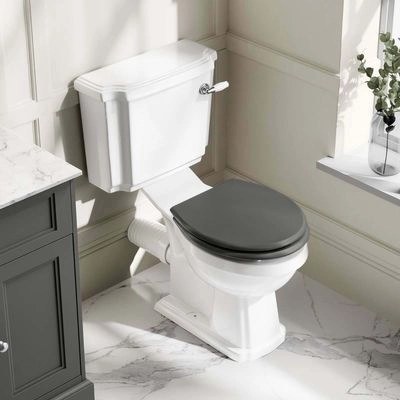
How Does the Body Work When You Sit on the Toilet?
The body works through anorectal canal alignment, pelvic floor relaxation, and abdominal pressure generation during toilet sitting. Anorectal canal alignment changes when hip flexion widens the anorectal angle and decreases canal resistance. Pelvic floor relaxation begins when elevated knees reduce puborectalis muscle tension. Pelvic floor relaxation improves stool transit speed and decreases straining force. Abdominal pressure generation starts when diaphragm descent produces uniform intra-abdominal force that drives stool through the rectal vault.
Toilet sitting biomechanics form a single physiological sequence: anorectal canal alignment, pelvic floor relaxation, and abdominal pressure generation. Toilet sitting biomechanics determine emptying efficiency, straining frequency, and defecation duration across common toilet postures.
How Can You Get Into the Best Sitting Position on the Toilet Step by Step?
The best sitting position on the toilet forms through a 6-step sequence that produces a 35-degree squatting posture by elevating the knees, supporting the feet, and inclining the torso forward. A 35-degree squatting posture aligns the anorectal canal and reduces outlet resistance during bowel emptying.
The steps to get into the best sitting position on the toilet are given below:
- Position the feet correctly
Position both feet on a stable surface to create firm support for controlled hip flexion. Firm support stabilises pelvic alignment and prevents backward spinal slumping during toilet sitting. - Raise the knees above the hips
Raise both knees above hip level by placing the feet on a toilet stool to widen the anorectal angle. A widened anorectal angle decreases canal resistance and improves stool transit speed. - Centre the pelvis on the toilet seat
Centre the pelvis on the toilet seat to maintain balanced sit-bone contact. Balanced sit-bone contact stabilises the spine, strengthens hip alignment, and supports consistent posture control. - Lean the torso forward
Lean the torso forward from the hips to initiate abdominal wall engagement. Forward torso inclination straightens the rectal passage and enhances downward pressure distribution. - Relax the pelvic floor muscles
Relax the pelvic floor muscles through slow abdominal breathing to decrease sphincter tension. Reduced sphincter tension lowers outlet pressure and promotes smoother anorectal movement. - Generate gentle abdominal pressure
Generate gentle abdominal pressure during exhalation to assist stool propulsion. Gentle abdominal pressure shortens defecation duration and reduces repeated straining events when using the best sitting position on the toilet.
How Can a Footstool Help You Sit in a Better Position on the Toilet?

A footstool helps you sit in a better position on the toilet by elevating the knees above the hips to form a 35-degree squatting posture that widens the anorectal angle and reduces canal resistance. Knee elevation decreases puborectalis muscle tension and improves rectal passage straightening. Knee elevation enhances pelvic floor relaxation and decreases straining force during bowel emptying.
A footstool changes toilet sitting biomechanics by raising the feet, increasing hip flexion, and shifting the pelvis forward. A footstool improves stool transit speed, lowers outlet pressure, and shortens defecation duration. A footstool stabilises posture across different toilet seat heights and supports consistent formation of the 35-degree squatting posture that defines the best sitting position on the toilet.
How Do Toilet Seat Height and Toilet Design Affect Your Sitting Position?
Toilet seat height and toilet design affect your sitting position by changing hip flexion, knee elevation, and pelvic alignment, which determine anorectal canal angle and bowel emptying efficiency. Lower toilet seats increase hip flexion and widen the anorectal angle. Higher toilet seats decrease hip flexion and narrow the anorectal angle. Hip flexion directly influences canal resistance and straining force.
Toilet design types are given below:
- Standard close-coupled toilets
Standard close-coupled toilets create moderate hip flexion because average seat heights place knees near hip level. Moderate hip flexion produces a partially widened anorectal angle and average pelvic floor relaxation. - Comfort-height toilets
Comfort-height toilets decrease hip flexion because elevated seats lower knee position relative to the hips. Reduced hip flexion narrows the anorectal angle and increases outlet resistance. - Wall-hung toilets
Wall-hung toilets allow variable height adjustment, which changes the degree of knee elevation. Adjustable knee elevation controls hip flexion, anorectal alignment, and straining intensity. - Compact toilets
Compact toilets bring the torso closer to the bowl, which increases forward lean and enhances abdominal pressure distribution. Increased forward lean improves rectal passage straightening and decreases defecation duration.
Toilet seat height and toilet design determine hip flexion, knee elevation, and pelvic alignment. Toilet seat height and toilet design influence anorectal canal angle, pelvic floor relaxation, and straining frequency during toilet sitting. Toilet seat height and toilet design define posture efficiency across common toilet types.
What Is the Best Toilet Sitting Position for Common Bowel Problems?
The best toilet sitting position for common bowel problems is a 35-degree squatting posture because a 35-degree hip angle widens the anorectal angle and reduces canal resistance during bowel emptying. A 35-degree squatting posture elevates the knees above hip level, supports the feet, and inclines the torso forward.
The best toilet sitting position for common bowel problems is given below:
- Constipation
A 35-degree squatting posture improves stool transit by widening the anorectal angle. Wider anorectal angulation decreases outlet resistance, increases evacuation efficiency, and reduces prolonged defecation linked to constipation. - Haemorrhoids
A 35-degree squatting posture reduces haemorrhoidal pressure by lowering straining force. Reduced straining decreases venous congestion, decreases pain episodes, and supports smoother anorectal passage movement. - Irritable bowel–related straining
A 35-degree squatting posture decreases outlet tension by relaxing the puborectalis muscle. Decreased outlet tension improves canal straightening and reduces repetitive straining associated with irritable bowel patterns. - Pelvic floor dysfunction
A 35-degree squatting posture enhances pelvic floor relaxation by increasing hip flexion. Enhanced relaxation strengthens coordination between abdominal pressure generation and anorectal opening during bowel emptying.
A 35-degree squatting posture consistently defines the best toilet sitting position for constipation, haemorrhoids, irritable bowel–related straining, and pelvic floor dysfunction because the 35-degree configuration improves canal alignment, decreases outlet resistance, and strengthens overall emptying efficiency.
How Should You Sit on the Toilet to Pee Compared with Poo?
You should sit upright with neutral pelvic alignment to pee, and you should sit in a 35-degree squatting posture to poo because bladder emptying and bowel emptying require different pelvic floor positions. Upright alignment decreases urethral obstruction and supports relaxed urinary flow. A 35-degree squatting posture widens the anorectal angle and decreases canal resistance during stool transit.
The differences between sitting to pee and sitting to poo are given below:
- Pelvic floor position
Upright pelvic alignment supports pelvic floor softening for urine release, while a 35-degree squatting posture reduces puborectalis tension for stool passage. Reduced puborectalis tension improves anorectal canal straightening and decreases straining force. - Torso alignment
Upright torso alignment maintains a neutral spine that supports urethral relaxation, while forward torso inclination improves rectal passage alignment during bowel emptying. Forward inclination enhances downward abdominal force distribution. - Knee height
Level knee height maintains natural bladder positioning for urine release, while elevated knee height above hip level widens the anorectal angle for bowel emptying. Elevated knee height increases hip flexion and reduces outlet resistance. - Foot placement
Flat foot placement stabilises urinary posture, while raised foot placement on a stool forms the 35-degree squatting posture for bowel emptying. Raised foot placement strengthens pelvic floor relaxation and improves emptying efficiency.
Upright pelvic alignment defines the optimal toilet sitting position for peeing because neutral alignment supports unobstructed urine flow. A 35-degree squatting posture defines the optimal toilet sitting position for pooing because widened anorectal angulation, elevated knees, and forward torso inclination improve stool propulsion and decrease straining frequency.
What Is the Best Toilet Sitting Position in Special Situations?
The best toilet sitting position in special situations is a 35-degree squatting posture because a 35-degree hip angle widens the anorectal angle and reduces outlet resistance across varied physical conditions. A 35-degree squatting posture elevates the knees, supports the feet, and inclines the torso forward to maintain efficient canal alignment.
The best toilet sitting position in special situations is given below:
- Pregnancy
A 35-degree squatting posture decreases abdominal pressure load by widening the anorectal angle without excessive forward bending. Reduced pressure load supports smoother stool transit and decreases haemorrhoidal strain during late pregnancy. - Post-surgery recovery
A 35-degree squatting posture supports gentle abdominal engagement while reducing straining force. Reduced straining protects surgical sites, preserves pelvic stability, and prevents pressure spikes during bowel emptying. - Limited mobility
A 35-degree squatting posture formed with a footstool and supported hand placement maintains hip flexion without deep squatting. Maintained hip flexion improves canal straightening and assists controlled emptying for individuals with reduced joint range. - Chronic pelvic floor tension
A 35-degree squatting posture enhances pelvic floor relaxation through increased hip flexion. Enhanced relaxation lowers outlet tension and improves coordination between abdominal pressure generation and anorectal opening. - Children learning bowel habits
A 35-degree squatting posture created with a child-height stool stabilises the torso and elevates the knees for easier emptying. Stabilised posture decreases straining effort and encourages consistent bowel patterns.
A 35-degree squatting posture remains the most effective toilet sitting position in pregnancy, post-surgical recovery, limited mobility cases, chronic pelvic floor tension, and childhood toilet training because the 35-degree configuration consistently improves anorectal alignment, decreases outlet resistance, and strengthens emptying efficiency across special situations.
How Do Posture, Habits and Hygiene Affect Your Time on the Toilet?
Posture, habits and hygiene affect your time on the toilet by changing anorectal alignment, straining frequency and bacterial exposure during bowel emptying. Correct posture improves canal widening. Balanced habits support regular evacuation. Targeted hygiene decreases irritation risk after toilet use.
The effects of posture, habits and hygiene on your time on the toilet are given below:
- Posture
A 35-degree squatting posture reduces straining force by widening the anorectal angle. Wider angulation improves stool transit speed, decreases outlet resistance and shortens overall defecation duration. Forward torso inclination and elevated knees maintain pelvic floor relaxation and improve downward abdominal force direction. - Bowel habits
Consistent bowel habits decrease prolonged toilet sitting by supporting predictable colonic movement. Predictable patterns prevent excessive stool retention, decrease hard-stool formation and reduce repetitive straining episodes. Immediate response to natural urges maintains smoother anorectal coordination and supports stable emptying frequency. - Toilet timing and behaviours
Short, focused toilet visits prevent unnecessary pelvic floor tension. Focused timing avoids distraction-based breath-holding behaviours and reduces pressure build-up linked to extended sitting. Reduced sitting duration lowers haemorrhoidal pressure and limits canal compression. - Hygiene practices
Targeted hygiene reduces skin irritation and bacterial spread after bowel emptying. Proper wiping angle decreases friction and prevents perianal abrasion. Gentle cleansing removes residue that can increase inflammation and prolong discomfort following toilet use.
Posture, habits and hygiene define the efficiency, comfort and duration of toilet use because posture changes canal alignment, habits regulate bowel rhythm and hygiene preserves skin integrity following evacuation.
How Do Everyday Constraints Change What “Best” Toilet Position Means?
Everyday constraints change what “best” toilet position means by altering knee elevation, hip flexion and pelvic alignment, which define how effectively the anorectal angle widens during bowel emptying. Constraint-driven posture changes influence canal resistance, abdominal pressure direction and pelvic floor relaxation.
The everyday constraints that change what “best” toilet position means are given below:
- Toilet height differences
Higher toilet seats reduce hip flexion and narrow the anorectal angle, while lower toilet seats increase hip flexion and widen the anorectal angle. Height variation determines how easily a 35-degree squatting posture forms and influences straining intensity. - Clothing limitations
Tight clothing restricts forward torso inclination and decreases pelvic floor relaxation. Reduced torso movement weakens abdominal pressure direction and decreases rectal passage straightening during bowel emptying. - Mobility restrictions
Joint stiffness limits knee elevation and reduces stable hip flexion. Reduced elevation narrows the anorectal angle and weakens the biomechanical benefits of the 35-degree squatting posture. - Foot support availability
Missing foot support lowers knee height and disrupts pelvic alignment. Disrupted alignment increases outlet resistance and prolongs defecation duration. - Bathroom space limits
Compact bathroom space restricts forward leaning and reduces footstool placement options. Reduced leaning decreases abdominal wall engagement and weakens downward pressure generation.
When Is Changing Toilet Position Not Enough and You Should See a Doctor?
Changing toilet position is not enough and you should see a doctor when bowel symptoms continue despite using a 35-degree squatting posture that widens the anorectal angle and reduces outlet resistance. Continued symptoms indicate functional, inflammatory or structural conditions requiring clinical evaluation.
The situations requiring medical assessment are given below:
- Persistent constipation
Persistent constipation lasting beyond two weeks despite a 35-degree squatting posture indicates reduced colonic movement or outlet obstruction. Reduced movement requires diagnostic assessment to identify underlying gastrointestinal causes. - Recurrent haemorrhoidal bleeding
Recurrent haemorrhoidal bleeding after posture correction indicates venous congestion or mucosal damage. Venous congestion requires clinical inspection to prevent progressive haemorrhoidal enlargement. - Severe pain during bowel emptying
Severe pain during bowel emptying despite correct posture indicates possible fissures, inflammation or obstruction. Inflammatory or obstructive patterns require medical examination. - Unexplained weight loss
Unexplained weight loss combined with bowel habit changes indicates systemic gastrointestinal disturbance. Systemic disturbance requires prompt specialist review. - Persistent pelvic floor dysfunction symptoms
Persistent pelvic floor dysfunction symptoms such as incomplete emptying or repeated straining indicate impaired pelvic muscle coordination. Impaired coordination requires pelvic floor physiology assessment.
Changing toilet position improves anorectal alignment, decreases canal resistance and reduces straining force, but medical consultation becomes necessary when persistent symptoms suggest deeper motility disorders, inflammatory diseases or structural abnormalities that posture adjustment cannot resolve.
What Common Questions Do People Ask About the Best Toilet Position?
People ask common questions about the best toilet position to understand how knee elevation, hip flexion and torso inclination influence anorectal alignment during bowel emptying. These questions focus on posture formation, comfort, safety and daily application of a 35-degree squatting posture.
The common questions about the best toilet position are given below:
- What angle widens the anorectal canal most effectively?
A 35-degree squatting posture widens the anorectal angle by elevating the knees above hip level. Increased elevation decreases canal resistance and improves stool transit efficiency. - Why does leaning forward help during bowel emptying?
Forward torso inclination directs abdominal pressure downward and straightens the rectal passage. Directed pressure improves propulsion and reduces straining force. - Do footstools make toilet posture more effective?
Footstools elevate the knees and increase hip flexion to support the 35-degree squatting posture. Increased flexion improves pelvic floor relaxation and decreases outlet tension. - Does toilet seat height change bowel emptying efficiency?
Lower seats increase hip flexion and widen the anorectal angle, while higher seats decrease hip flexion and narrow the angle. Seat-height variation determines how easily the optimal posture forms. - Is the 35-degree squatting posture suitable for everyone?
The 35-degree squatting posture benefits most adults by improving anorectal alignment and reducing straining intensity. Individual adaptations support safe use for pregnancy, mobility limits and pelvic floor conditions.
People ask these common questions about the best toilet position because knee elevation, hip flexion, pelvic alignment and torso inclination determine the efficiency, comfort and biomechanical quality of bowel emptying.
Conclusion:
The most effective toilet sitting position is a 35-degree squatting posture because a 35-degree hip angle widens the anorectal angle and decreases canal resistance during bowel emptying. A 35-degree squatting posture elevates the knees above hip level, supports the feet on a stable surface and inclines the torso forward to create consistent anorectal alignment. A 35-degree squatting posture reduces straining force, improves stool transit speed and strengthens pelvic floor relaxation across daily toilet use.
Toilet posture, toilet height, foot support, mobility limits and personal habits shape the formation of a 35-degree squatting posture. Footstool use increases hip flexion. Forward torso inclination directs abdominal pressure downward. Centred pelvic alignment straightens the rectal passage. These biomechanical adjustments shorten defecation duration and reduce haemorrhoidal pressure.
Special situations such as pregnancy, post-surgical recovery, limited mobility, pelvic floor dysfunction and childhood toilet learning require modified 35-degree squatting posture techniques. Modified 35-degree squatting posture techniques maintain knee elevation, support hip flexion and preserve canal widening when movement range changes.
Persistent constipation, recurrent bleeding, severe pain, unexplained weight loss and ongoing pelvic floor dysfunction require medical evaluation when symptoms continue despite correct posture. These symptoms indicate underlying functional or structural problems that posture optimisation cannot resolve.
A 35-degree squatting posture ultimately defines the best toilet sitting position because knee elevation, hip flexion, pelvic alignment and abdominal pressure direction combine to produce wider anorectal angulation, lower outlet resistance and more efficient bowel emptying.


