

Wet room flooring is a critical design and construction element that determines waterproof performance, user safety, long-term durability, and maintenance requirements in barrier-free bathrooms.
Wet rooms remove shower trays and enclosures, exposing the entire floor to continuous water flow. Flooring selection therefore extends beyond appearance and must support integrated drainage, tanking systems, accurate floor gradients, and slip resistance under wet conditions. Material choice directly affects leak prevention, hygiene control, and lifespan of the wet room structure.
This article examines the seven main wet room flooring types, including porcelain, ceramic, natural stone, vinyl, polished concrete, microcement, and resin, and explains how each performs in water exposure, installation complexity, safety, maintenance, and long-term value to support informed flooring selection.
What Is Wet Room Flooring?
Wet room flooring is a fully waterproof floor surface engineered to work with open drainage systems and withstand constant exposure to water across the entire room.
Wet room flooring forms part of a sealed construction system where floors and walls allow water to flow freely toward a drain without shower trays or shower enclosures. The flooring surface must remain stable, safe, and impermeable under continuous moisture exposure.
Unlike standard bathroom flooring, wet room flooring manages full-surface saturation rather than occasional splashes, requiring higher performance in waterproofing, slip resistance, and installation accuracy.
Key Features
Wet room flooring is defined by total water resistance, compatibility with floor gradients, and safe performance under constant wet conditions.
The flooring operates as a functional component of the drainage and waterproofing system rather than a decorative surface alone.
Key features include:
- Full waterproof construction
- Compatibility with tanking membranes
- Anti-slip surface finishes
- Resistance to mould and moisture ingress
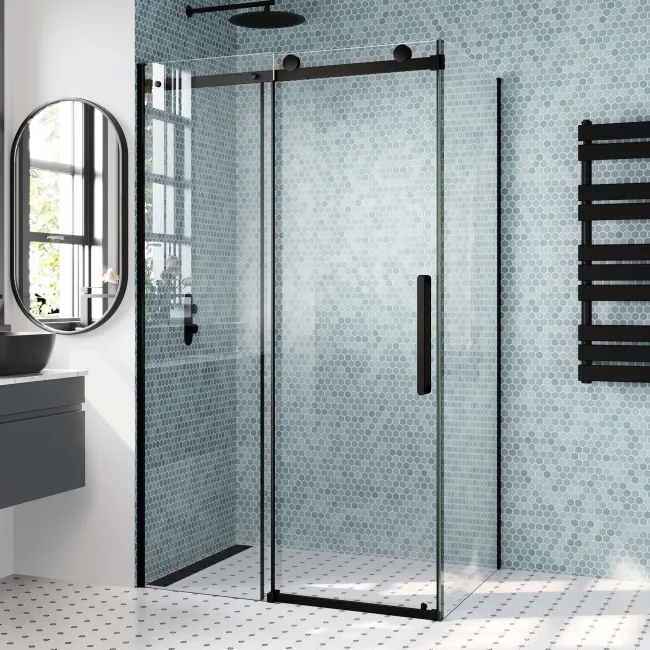
How Wet Room Flooring Differs from Standard Bathroom Flooring
Wet room flooring differs from standard bathroom flooring by allowing unrestricted water flow across the surface rather than limiting water to enclosed areas.
Standard bathroom floors resist occasional splashes. Wet room floors handle continuous water exposure and direct drainage without failure.
This difference requires stronger materials, precise gradients, and specialist installation methods.
Why Is Choosing the Right Wet Room Flooring Important?
Choosing the correct wet room flooring prevents leaks, reduces slip risk, and ensures long-term structural integrity.
Incorrect flooring selection leads to water penetration, surface degradation, and safety hazards over time.
The flooring choice affects daily usability, cleaning effort, and the lifespan of the entire wet room system.
Waterproofing and Drainage Requirements
Wet room flooring must integrate fully with waterproof membranes and support accurate water drainage toward floor outlets.
The flooring surface bonds directly to tanking systems beneath. Any incompatibility risks water ingress into the subfloor.
Drainage performance depends on the flooring material allowing precise gradient formation.
Slip Resistance and Safety Considerations
Slip resistance is critical because wet rooms expose the entire floor to water, soap, and cleaning products.
The flooring must maintain grip when wet to reduce fall risk.
Slip ratings and surface texture determine safety performance.
What Are the 7 Types of Wet Room Flooring?
The seven main types of wet room flooring are porcelain non slip tiles, ceramic tiles, natural stone, vinyl, polished concrete, microcement, and resin.
Each flooring type offers different strengths in durability, appearance, cost, and maintenance.
The materials are outlined below:
- Porcelain tile flooring
Porcelain tile flooring performs exceptionally well in wet rooms due to low water absorption and high structural strength.
Porcelain tiles are fired at high temperatures, creating dense surfaces that resist moisture penetration and cracking.
The material suits both domestic and high-use wet rooms when installed with correct slip-rated finishes.
Durability and Water Resistance
Porcelain tiles resist water ingress and structural breakdown under constant moisture exposure.
Low porosity prevents absorption and staining.
Porcelain remains stable under temperature changes.
Design Styles and Finishes
Porcelain flooring offers a wide range of finishes suitable for wet rooms.
Common styles include:
- Stone-effect porcelain
- Concrete-effect porcelain
- Wood-effect porcelain
- Textured finishes improve wet grip.
- Ceramic tile flooring
Ceramic flooring suits wet rooms when correctly rated for slip resistance and installed with effective waterproofing.
Ceramic tiles offer design flexibility at lower cost but require careful specification.
Performance depends on tile quality and surface finish.
Affordability and Visual Appeal
Ceramic tiles provide accessible pricing and wide design choice.
Patterns, colours, and sizes suit decorative wet room designs.
Ceramic offers visual variety without premium pricing.
Maintenance and Longevity
Ceramic flooring requires grout care and periodic inspection.
Grout lines demand regular cleaning.
Longevity improves with proper sealing.
- Natural stone flooring
Natural stone flooring offers a premium, textured appearance that enhances wet room aesthetics.
Stone introduces variation and tactile surfaces unavailable in manufactured materials.
Material choice influences safety and upkeep.
Luxury Appearance and Texture
Natural stone delivers unique patterns and surface character.
Textured stones improve slip resistance.
Stone enhances visual depth.
Sealing Requirements and Care
Natural stone requires sealing to maintain water resistance.
Sealers prevent staining and moisture absorption.
Ongoing care preserves appearance.

- Vinyl flooring
Vinyl flooring provides a fully waterproof, soft-surface solution designed specifically for wet environments.
Safety vinyl products are engineered for constant water exposure.
Vinyl suits residential and accessibility-focused wet rooms.
Waterproof Performance and Comfort
Vinyl flooring forms a continuous waterproof surface.
Soft texture improves comfort underfoot.
Slip resistance remains consistent when wet.
Installation and Lifespan
Vinyl flooring requires professional installation to seal joints and edges.
Correct fitting ensures longevity.
Lifespan depends on product quality and use.
- Polished concrete flooring
Polished concrete creates a seamless, modern wet room surface with high durability.
Concrete suits minimalist and industrial design schemes.
Surface treatment determines safety.
Seamless Look and Modern Design
Polished concrete removes grout lines and visual breaks.
The surface delivers a uniform appearance.
Design suits contemporary interiors.
Slip Resistance and Sealing Needs
Concrete requires sealing and slip additives.
Sealers prevent water penetration.
Texture controls wet grip.
- Microcement flooring
Microcement flooring is a thin cement-based coating applied seamlessly over prepared substrates in wet rooms.
Microcement creates a joint-free, contemporary finish.
Installation quality determines performance.
Thin Application and Contemporary Finish
Microcement layers apply at minimal thickness.
The finish suits walls and floors.
Visual continuity improves spatial flow.
- Resin flooring
Resin flooring is used in wet rooms for complete waterproofing, hygiene, and durability.
Resin systems originate from commercial environments.
Residential adoption continues to grow.
Fully Waterproof and Seamless Surface
Resin forms a monolithic, water-impermeable layer.
No joints reduce leak risk.
Drainage integration remains precise.
Durability and Hygiene Benefits
Resin surfaces resist bacteria, mould, and staining.
Cleaning remains simple.
Durability supports long-term use.

How Do You Choose the Best Wet Room Flooring?
The best wet room flooring balances waterproof performance, slip resistance, budget, visual style, and long-term maintenance demands based on how the space is used.
Wet room flooring selection starts with performance rather than appearance. The material must tolerate constant moisture, integrate with tanking systems, and maintain grip when wet. Failure in any of these areas compromises safety and structural integrity.
Lifestyle factors then refine the choice. Household size, frequency of use, accessibility needs, and cleaning tolerance determine whether a low-maintenance or design-led surface performs best over time.
Budget, Style, and Usage Considerations
Budget, visual preference, and usage intensity determine which wet room flooring types deliver the most practical value.
Key considerations include:
- Budget range: Vinyl and ceramic tiles suit lower budgets, while porcelain, resin, and microcement sit at higher price points due to material and installation complexity.
- Style preference: Porcelain, natural stone, microcement, and polished concrete support contemporary and minimalist designs, while ceramic and vinyl offer broader decorative options.
- Usage level: High-traffic wet rooms require dense, low-porosity materials such as porcelain or resin to resist wear and moisture ingress.
Long-Term Maintenance and Performance
Long-term performance depends on sealing requirements, cleaning effort, and resistance to staining or degradation.
Key performance factors include:
- Maintenance demand: Resin, porcelain, and vinyl require minimal ongoing care, while natural stone and microcement need periodic sealing.
- Slip resistance longevity: Textured or safety-rated surfaces maintain grip better as the floor ages.
- Durability under moisture: Fully non-porous materials reduce the risk of mould, staining, and subfloor damage over time.
How Should Wet Room Flooring Be Installed?
Wet room flooring must be installed as part of a fully sealed system that combines structural preparation, waterproof tanking, precise floor gradients, and compatible surface materials.
Correct installation prevents water ingress into the subfloor and surrounding walls. The flooring surface alone does not provide waterproof protection. Performance depends on how the flooring integrates with membranes, drains, and gradients beneath.
Installation quality directly affects safety, durability, and long-term maintenance. Errors at early stages cause leaks, pooling water, and premature flooring failure.
Importance of Professional Installation
Professional installation ensures structural accuracy, waterproof integrity, and compliance with wet room construction standards.
Wet rooms require exact gradients toward the drain, typically between 1:60 and 1:80. Inconsistent falls cause standing water and surface degradation. Professionals coordinate subfloor preparation, drainage positioning, membrane sealing, and final floor finish to operate as one system.
Professional installers also ensure compatibility between flooring materials, adhesives, waterproof membranes, and sealants, reducing long-term failure risk.
Waterproofing Systems and Floor Gradients
Waterproofing systems and floor gradients form the functional foundation of all wet room flooring installations.
Waterproof membranes protect the subfloor and walls from moisture penetration. Floor gradients guide water efficiently toward the drain without pooling. Both elements must be installed before the final floor finishes.
Installation Steps
- Prepare the subfloor
The subfloor must be structurally sound, level, and clean. Any movement or deflection is corrected before waterproofing begins. - Install the drainage system
A wet room drain or linear channel is positioned at the lowest point. Drain height aligns precisely with the finished floor level. - Form the floor gradient
Screeds or pre-formed shower trays create a consistent slope directing water toward the drain. - Apply waterproof tanking
Waterproof membranes cover floors and extend up walls. All joints, corners, and penetrations receive reinforced sealing. - Install the flooring surface
Tiles, resin, vinyl, or cement-based finishes install using compatible adhesives or systems approved for wet room use. - Seal joints and finishes
Grout, sealants, or topcoats complete the system, ensuring continuous waterproof protection and slip resistance.

How Do You Maintain Wet Room Flooring?
Wet room flooring is maintained through regular cleaning, material-specific care routines, and moisture control to preserve slip resistance, waterproof integrity, and surface appearance.
Maintenance requirements vary by flooring type, but all wet rooms rely on consistent cleaning and ventilation to prevent residue buildup and water damage. Unlike standard bathrooms, wet rooms expose the entire floor to water, soap, and cleaning products on a daily basis.
Correct maintenance protects surface finishes, sealants, and grout or joints. Neglect increases the risk of mould growth, surface dulling, and reduced slip performance over time.
Cleaning Methods by Flooring Type
Each wet room flooring material requires specific cleaning methods to avoid surface damage and preserve performance.
Recommended approaches include:
- Porcelain and ceramic tiles: Use pH-neutral cleaners to remove soap residue without degrading grout or tile glaze. Avoid abrasive pads that reduce slip resistance.
- Natural stone: Clean with stone-safe products only. Acidic cleaners damage sealants and etch the surface. Reseal periodically based on stone type and usage.
- Vinyl flooring: Use mild detergents and soft mops. Avoid solvent-based cleaners that weaken surface coatings.
- Resin, microcement, and polished concrete: Clean with non-abrasive, low-alkaline cleaners. Protect sealers by avoiding harsh chemicals.
Preventing Mould and Water Damage
Mould and water damage are prevented through moisture control, ventilation, and routine inspection of seals and joints.
Effective prevention measures include:
- Ventilation: Mechanical extraction removes excess humidity after use, reducing condensation and mould growth.
- Regular drying: Removing standing water from corners and drain edges limits moisture retention.
- Seal inspection: Checking grout lines, sealants, and surface coatings prevents hidden water ingress.
- Drain maintenance: Keeping drains clear prevents pooling and overflow that stress flooring systems.
Consistent maintenance preserves safety, appearance, and the long-term performance of wet room flooring.
Conclusion:
Wet room flooring succeeds when waterproof integrity, slip resistance, correct installation, and long-term maintenance align with how the space is used.
Each flooring type, including porcelain, ceramic, natural stone, vinyl, polished concrete, microcement, and resin, offers distinct strengths and limitations in durability, safety, appearance, and upkeep. Performance depends on both material selection and correct tanking, accurate gradients, and professional installation.
Choosing wet room flooring based on usage intensity, maintenance tolerance, and structural requirements ensures reliable drainage, safe daily use, and lasting performance in modern wet room environments.


